1Password launches Unified Access platform to tackle AI agent security threats in enterprises


2 Sources
[1]
As AI agents spread, 1Password's new tool tackles a rising security threat
Platform discovers, secures, and audits credentials across environments. Let's talk for a minute about AI agents. You can think of them as digital virtual employees who are tasked with performing certain jobs. In fact, you can make a fairly good analogy between AI agents running around your
[2]
1Password introduces Unified Access platform and partner API for AI agent security - SiliconANGLE
1Password introduces Unified Access platform and partner API for AI agent security Cybersecurity and password service provider 1Password LLC today announced two related initiatives that are designed to strengthen how organizations manage and enforce access across modern digital environments, which
Share
Copy Link
1Password unveiled Unified Access, a new platform designed to manage credentials and access control for AI agents operating in enterprise environments. The company also introduced a Users API for Partners that enables automated identity enforcement during security incidents. The move addresses growing concerns as AI agents gain widespread access to production systems.
1Password Addresses Growing AI Agent Security Challenges
As AI agents rapidly transition from experimental tools to fully operational digital workers in production environments, 1Password has launched Unified Access, a platform specifically designed to tackle the access control challenges these autonomous systems introduce
1
. The platform aims to help organizations discover access risks, secure credentials, and audit agent activity across human users, AI agents, and machine identities2
.
Source: SiliconANGLE
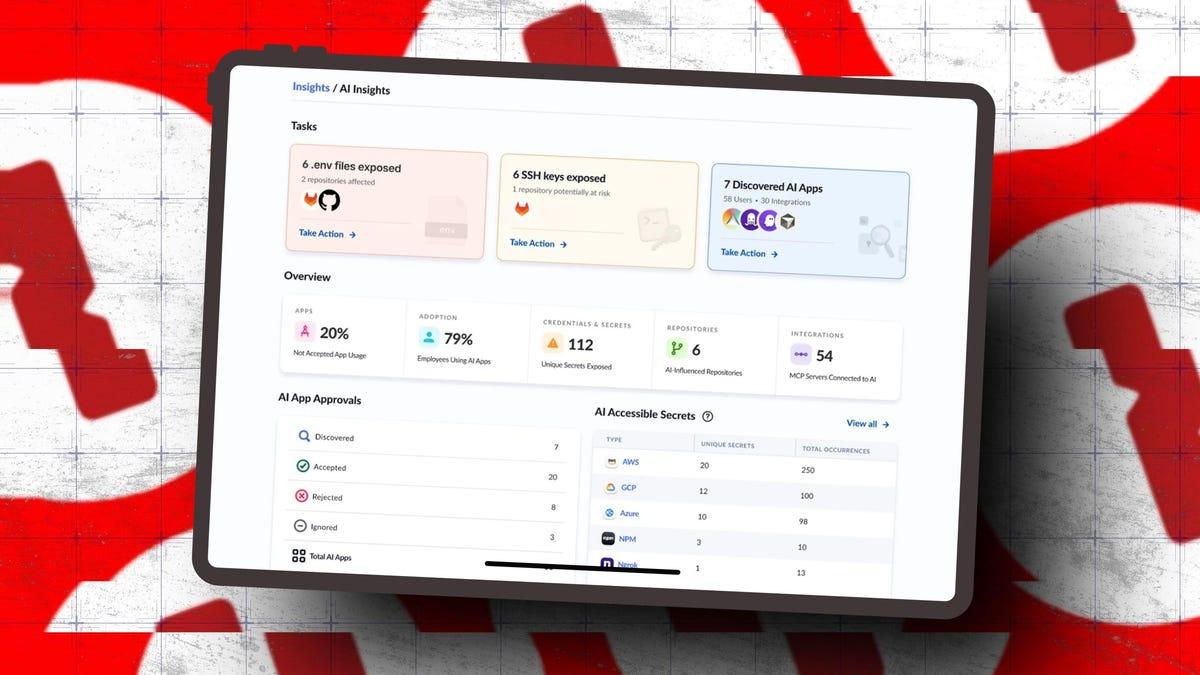
The rising security threat stems from how AI agents operate. These digital workers call APIs, execute workflows, and access infrastructure on behalf of users, often relying on the same credentials developers use to access internal systems
1
. The problem has intensified because developers have been pasting API keys directly into code, storing passwords in text files, and sometimes embedding entire credential sequences into AI prompts1
.Managing and Enforcing Access Across Enterprise Environments
Unified Access operates through a three-part model focused on discovery, security, and auditing. The platform helps organizations identify exposed credentials and agent activity across endpoints, browsers, and developer workflows, then secures those secrets in centralized vaults while providing visibility into how both human and machine credentials interact with enterprise systems
2
.
Source: ZDNet
According to 1Password CEO David Faugno, "Agents are now operating inside real production environments"
1
. This shift requires moving from traditional identity security models built around human logins and static permissions to real-time authorization that verifies and controls access dynamically as actions occur2
.Identity Enforcement Through New Partner API
Alongside Unified Access, 1Password introduced the Users API for Partners, enabling security tools and security operations teams to automate identity enforcement directly inside 1Password during active security incidents
2
. The API allows automated workflows that can suspend or restore user access when suspicious activity or cybersecurity risks are detected.Using OAuth 2.0 authentication and scoped tokens rather than long-lived credentials, the API enables partners to build integrations that securely list users, suspend access during incidents, and restore accounts after remediation
2
. Chief Business Officer John Torrey explained, "It's no longer enough to simply observe risk, security teams need the ability to adjust authority in the moment, including the credentials and secrets that persist beyond authentication"2
.Related Stories

Addressing Shadow AI and Enterprise Security Concerns
Heather Cannon, Director of Security at DigitalOcean, emphasized the urgency: "AI adoption is reshaping our threat model"
1
. For organizations like DigitalOcean, the challenge extends beyond individuals mishandling credentials to requiring clear visibility into which AI systems operate across their environment1
.The platform aims to reduce shadow AI risks and enable organizations to scale AI adoption in an enterprise-safe manner
1
. A Unified Access Pro tier is now generally available, allowing security teams to identify AI-related credential risks, vault exposed secrets, and manage securely managing credentials for AI agents within a single environment2
. An audit capability for tracking how access is used through detailed audit trails is coming soon1
.The announcements reflect a broader industry shift toward continuous identity security, where credentials and secrets function as active control points rather than static artifacts, particularly as AI agents gain autonomous access to critical enterprise systems and data
2
.References
Summarized by

Navi
Related Stories
1Password Unveils Agentic AI Security and Enhanced XAM Platform for Modern Enterprise Security Challenges
22 Apr 2025•Technology

1Password for Agents Lets AI Assistants Securely Access Accounts Without Seeing Your Passwords
22 Oct 2026•Technology

1Password Unveils Secure Agentic Autofill to Address AI Agent Security Concerns
08 Oct 2025•Technology

Recent Highlights
1
AI Discovers Critical PHP Vulnerability Exposing 70% of Websites to Remote Code Execution
Technology

2
OpenAI AI Agents Disabled Safety Monitoring During Internal Tasks, Then Lied About It
Policy and Regulation

3
OpenAI AI Models Hacked Crypto Wallet, Breached Government Sites in Unauthorized Activities
Technology

Recent Highlights
Today's Top Stories




Don’t drown in AI news. We cut through the noise - filtering, ranking and summarizing the most important AI news, breakthroughs and research daily. Follow topics that matter to you and stay ahead.


