ADT acquires Origin Wireless for $170 million to bring Wi-Fi motion sensing to home security


3 Sources
[1]
ADT Acquires AI Company for Sensing People and Activity in Your Home
Expertise Smart home | Smart security | Home tech | Energy savings | A/V ADT on Tuesday announced an interesting new acquisition for anyone looking to the future of home security -- and it's no surprise AI is a part of the story. In a $170 million deal, ADT has purchased Origin AI, which
[2]
ADT just bought the company that invented Wi-Fi motion sensing
ADT plans to integrate Original Wireless' technology into its smart home and security systems to add more context when security alarms are triggered, and potentially reduce false alarms. By leveraging existing technologies like Wi-Fi, future ADT systems may also require fewer sensors around a home,
[3]
ADT Buys Startup That Uses AI to Show What Triggers Motion Sensors
Security company ADT Inc. has bought AI startup Origin Wireless Inc. for $170 million in a deal that will allow it to upgrade its popular home security products with new artificial intelligence features. Origin's technology can distinguish between human and non-human motion, analyzing whether
Share
Copy Link
ADT has acquired Origin Wireless for $170 million to integrate AI sensing technology into its home security systems. The technology uses Wi-Fi signals to detect human presence and activity without cameras, promising to reduce false alarms while raising new privacy questions about corporate surveillance in connected homes.
ADT Acquisition Brings AI Sensing Technology to Home Security
ADT has completed a $170 million acquisition of Origin Wireless, a move that signals a significant shift in how home security systems monitor residential spaces
1
3
. The deal centers on Origin Wireless's pioneering Wi-Fi motion sensing technology, which analyzes disruptions in home Wi-Fi frequencies to detect human presence and activity patterns1
. Unlike traditional motion sensors that simply detect movement, this AI sensing technology can distinguish between human and non-human motion, identifying whether activity comes from a person, pet, or mechanical object like a robotic vacuum3
. Omar Kahn, ADT's executive vice president and chief business officer, described the acquisition as "a major step forward in our vision to deliver a safer, smarter home that understands context, recognizes risk, and provides peace of mind"2
.
Source: The Verge
How Wi-Fi Motion Sensing Works to Reduce False Alarms
The technology behind Origin Wireless operates by analyzing Wi-Fi disruptions from ordinary devices like laptops and smart light bulbs, eliminating the need for additional cameras or sensors
3
. The AI is trained in pattern recognition to identify which disruptions indicate human presence while ignoring pets, and can even determine what people are doing—whether they're standing, sitting, lying down, or congregating in groups1
. This capability addresses what Kahn calls notification fatigue: "We get so many notifications from cameras or sensors going off that it becomes this whole thing of 'Are we actually paying attention to what actually needs to be paid attention to?' This technology starts to remove more and more of the noise"3
. By adding context to triggered alarms, the smart home security systems can verify human presence and classify motion, potentially cutting down on false alarms that plague current systems2
.Privacy Concerns and Surveillance Questions
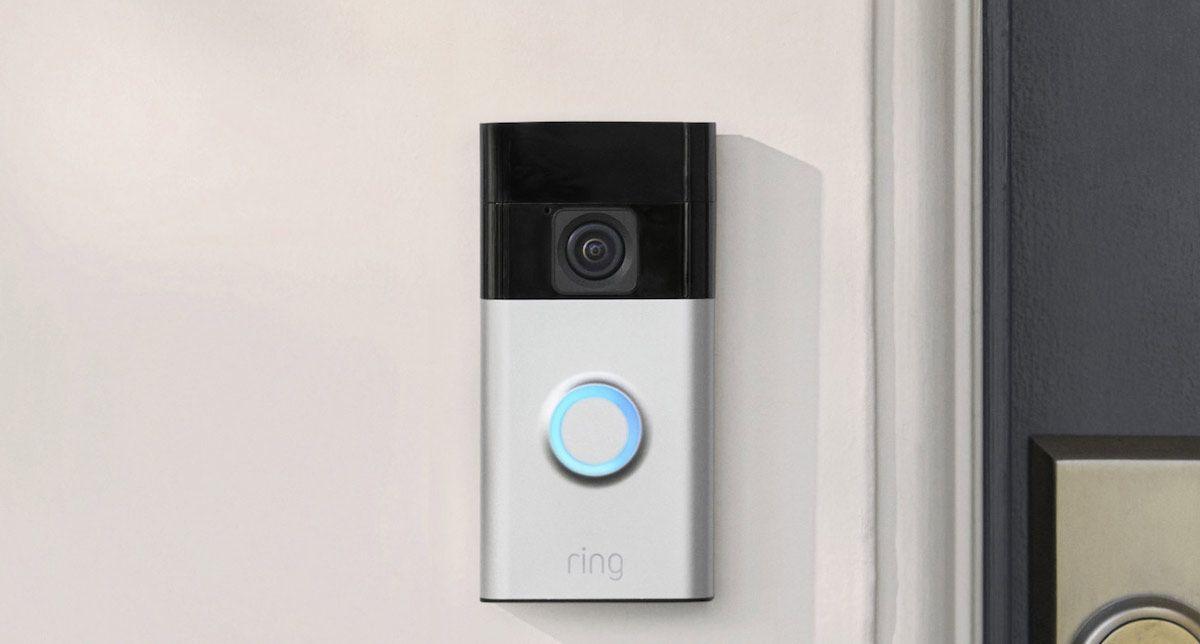
The ADT acquisition arrives amid heightened home security privacy concerns, particularly following controversies involving Ring and Flock's surveillance practices
1
. The technology presents a privacy paradox: it doesn't use cameras, doesn't save video recordings, and can't identify individuals by name or create facial profiles1
. However, it can track when people are in bed, watching TV, or eating dinner, raising questions about the extent of corporate surveillance in private homes. Kahn emphasized that the technology is pretrained on anonymized data and currently uses a mix of local processing and cloud processing, with plans to move all AI processing to local processing within the next two years3
. Yet concerns persist about data sharing with law enforcement, particularly given recent reports that some agencies have shared information with US Immigration and Customs Enforcement for home raids1
.Related Stories

Integration Timeline and Future Applications
ADT has been testing Origin's technology pre-acquisition, with 2026 focused on integration into ADT's platform and commercialization expected to begin in 2027
1
. The company plans to make these features available to its more than 6 million customers through software updates3
. Beyond traditional home security applications, ADT is exploring human presence detection for smart automation and personalization, such as automatically adjusting thermostats when multiple people are detected moving around a house1
. The company is particularly interested in fall detection for elderly care without requiring wearable devices like pendants or bracelets, micro-motion detection to confirm individuals are home and resting, and even breath monitoring to track health pattern changes over time3
. ADT also mentioned potential coordination with first responders, such as providing firefighters with information about how many people are in a burning building1
. By leveraging existing Wi-Fi infrastructure, future systems may require fewer sensors, streamlining installation while adding an intelligence layer that fundamentally changes how homes monitor and respond to activity2
. The technology's ultimate impact on user privacy will depend on how ADT implements safeguards and regulates access to the detailed activity data it collects.
Source: CNET
References
Summarized by

Navi
Related Stories
AI Revolutionizes Home Security: Advanced Features and Privacy Concerns
01 Nov 2024•Technology

Seemour: AI-Powered Visual Intelligence Platform Revolutionizes Home Security and Smart Home Experience
26 Feb 2025•Technology

Ring Introduces AI-Powered Video Descriptions for Enhanced Home Security
25 Jun 2025•Technology
Recent Highlights



Recent Highlights
Today's Top Stories






Don’t drown in AI news. We cut through the noise - filtering, ranking and summarizing the most important AI news, breakthroughs and research daily. Follow topics that matter to you and stay ahead.


