AI Revolutionizes Home Security: Advanced Features and Privacy Concerns


2 Sources
[1]
4 futuristic AI features now common in home security devices
Artificial intelligence can make smart homes smarter, help us manage our days, and even help us plan major life changes. This series looks at the new - and sometimes surprising - ways AI is being used to enhance our lives. Over the past decade or so, as AI has become more common in the background,
[2]
What Is an AI Security Camera?
Expertise Smart home | Smart security | Home tech | Energy savings | A/V AI models are everywhere right now, popularized by LLMs, chatbots and conversational AI that sound more and more realistic every day. From Google Gemini to Apple's less overt Apple Intelligence, we're pushing the boundaries
Share
Copy Link
AI-powered home security systems are becoming increasingly sophisticated, offering features like object recognition, video analytics, and smart automations. While these advancements enhance security, they also raise privacy concerns.

AI Enhances Home Security with Advanced Object Recognition
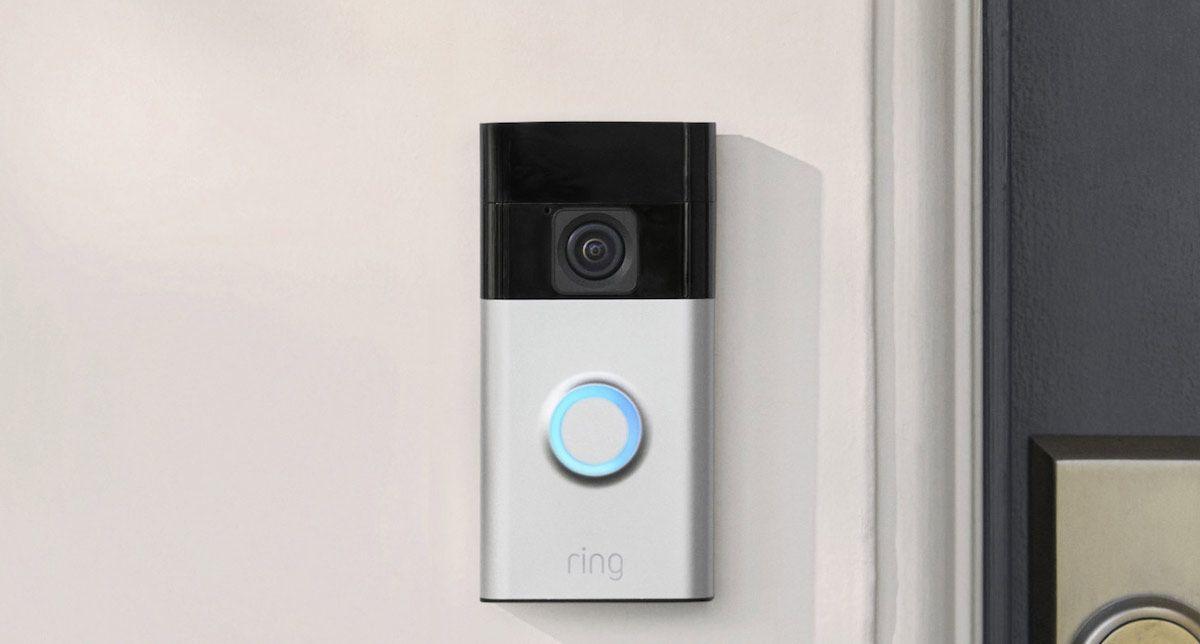
Artificial Intelligence (AI) is revolutionizing home security systems, making them more accessible and sophisticated for consumers. One of the most significant advancements is in object recognition technology. Modern AI-powered security cameras can now identify a wide range of objects and individuals, going beyond simple motion detection
1
.These systems can recognize faces, packages, vehicles, and even license plates. This enhanced capability allows for more accurate alerts, reducing false alarms caused by irrelevant movements like trees swaying in the wind. Users can now receive notifications only when the system detects unfamiliar individuals or objects of interest
1
.Video Analytics and Behavior Recognition
AI-driven video analytics are taking security a step further by identifying potentially suspicious behavior. Cameras can now detect if someone is carrying a weapon or tools that might be used for breaking and entering. Generative AI is being employed to create detailed summaries of detected activities, providing users with rich, context-aware notifications
1
.Google has been at the forefront of implementing these advanced analytics in its Google Home platform, with other companies expected to follow suit
1
.Smart Automations and Natural Language Processing
AI is simplifying the setup and management of home security systems through natural language processing. Users can now create complex automations using simple voice commands, such as "always lock the door five minutes after I leave." This feature is already being rolled out as part of Google Home with certain Nest devices
1
.AI-Powered Information Retrieval
Google's integration of its Gemini AI into the Google Home platform is set to provide users with unprecedented access to information about their smart home. For example, users will be able to ask if their children left their bikes in the driveway, and the AI will analyze security camera footage to provide an answer
1
.The Technology Behind AI Security Cameras
AI security cameras utilize complex algorithms trained on vast datasets to categorize and identify objects. When combined with motion detection, these systems can provide smart alerts for specific events, such as package deliveries or potential security threats
2
.Related Stories
Privacy Concerns and Subscription Models
While AI-powered security systems offer numerous benefits, they also raise privacy concerns. Facial recognition features, in particular, require sharing face data with security companies. Some states, like Illinois, have implemented laws restricting the use of facial recognition technology due to privacy concerns
2
.Many advanced AI features are often locked behind subscription paywalls, with monthly fees ranging from $3 to $8. However, some brands like Eufy, Lorex, and Google Nest offer basic object recognition for free
2
.Future Developments in AI Security
The field of AI-powered home security is rapidly evolving. Companies are working on training models to recognize suspicious behaviors associated with theft or lurking. Some, like Swann Security, are even developing conversational AI for video doorbells that can answer questions about residents
2
.As AI continues to advance, home security cameras are expected to offer increasingly tailored options, potentially acting as personal bouncers or butlers in the coming years
2
.References
Summarized by

Navi
[2]
Related Stories
Seemour: AI-Powered Visual Intelligence Platform Revolutionizes Home Security and Smart Home Experience
26 Feb 2025•Technology

Apple Intelligence brings AI-powered video search and cross-brand monitoring to Home Security Cameras
08 Jun 2026•Technology

Arlo Introduces Advanced AI Features for Smart Home Security Cameras
25 Sept 2024

Recent Highlights



Recent Highlights
Today's Top Stories






Don’t drown in AI news. We cut through the noise - filtering, ranking and summarizing the most important AI news, breakthroughs and research daily. Follow topics that matter to you and stay ahead.


