AI's Impact on American Job Insecurity: A Sociologist's Perspective on 'American Exceptionalism'


4 Sources
[1]
The US really is unlike other rich countries when it comes to job insecurity - and AI could make it even more 'exceptional'
College of the Holy Cross provides funding as a member of The Conversation US. How will AI affect American workers? There are two major narratives floating around. The "techno-optimist" view is that AI will free humans from boring tasks and create new jobs, while the "techno-pessimist" view is
[2]
The US really is unlike other rich countries when it comes to job insecurity. AI could make it even more 'exceptional'
How will AI affect American workers? There are two major narratives floating around. The "techno-optimist" view is that AI will free humans from boring tasks and create new jobs, while the "techno-pessimist" view is that AI will lead to widespread unemployment. As a sociologist who studies job
[3]
As AI amplifies American exceptionalism, job insecurity could become the new norm
How will AI affect American workers? There are two major narratives floating around. The "techno-optimist" view is that AI will free humans from boring tasks and create new jobs, while the "techno-pessimist" view is that AI will lead to widespread unemployment. As a sociologist who studies job
[4]
This Sociologist Says American Workers Will Suffer the Most in the Global AI Jobs Crisis
AI is, definitely impacting the job market, as many reports show -- though ChatGPT denies it's happening, offering an upbeat interpretation of its revolutionary effects on the U.S. workplace. "I don't literally steal jobs, but I can change how certain kinds of work are done," the AI tool said when
Share
Copy Link
A sociologist argues that AI could exacerbate job insecurity in the US due to the country's unique approach to work and social welfare, potentially making American workers more vulnerable than their counterparts in other rich nations.
The Concept of 'American Exceptionalism' in the AI Era
In the ongoing debate about artificial intelligence's impact on the job market, Jeff Dixon, a sociologist from the College of the Holy Cross, presents a pessimistic view. Dixon argues that the United States' unique approach to work and social welfare, often referred to as "American exceptionalism," could amplify the negative effects of AI on job security
1
.The 'Exceptional' American Labor System
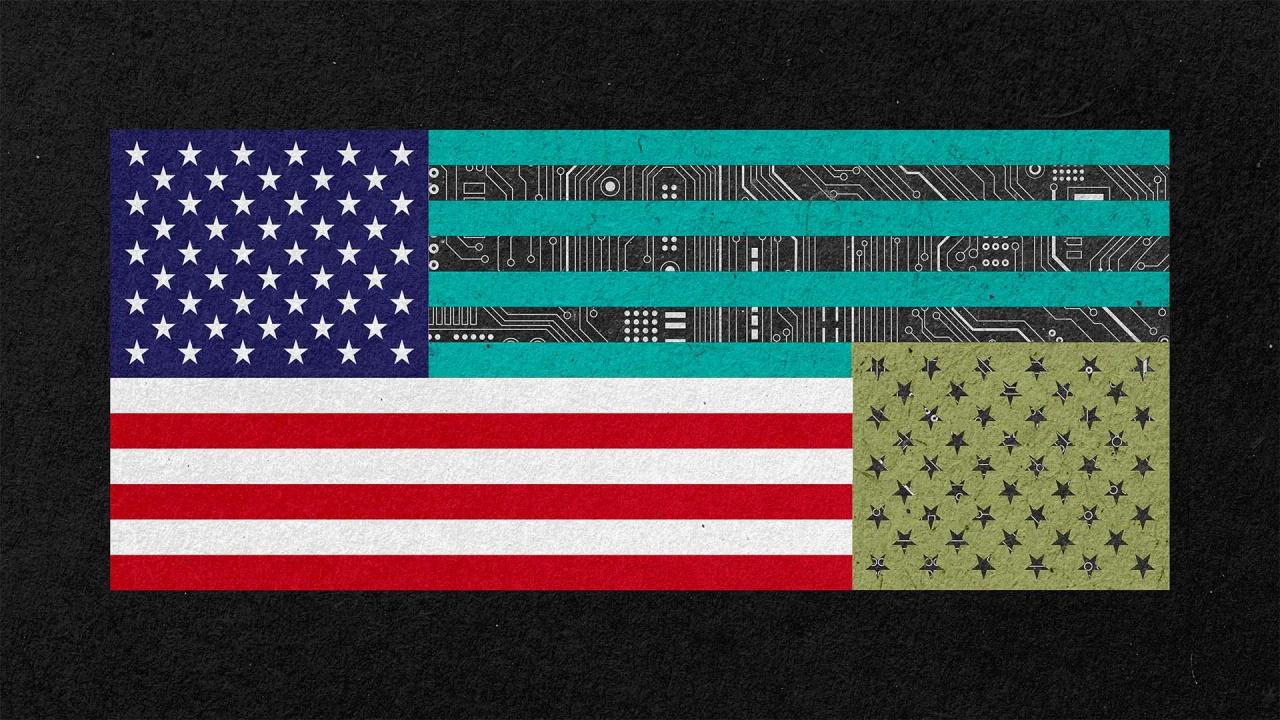
Source: Inc.
The U.S. labor system differs significantly from other wealthy nations in several key aspects:
- Low unionization rates
- "At-will" employment system
- Modest welfare state
- Lack of a social democratic tradition in the two-party system
These factors, Dixon argues, have already created a system that disadvantages American workers compared to their counterparts in other rich countries, particularly in Europe
2
.Historical Context and Recent Developments
The trend of reducing worker protections and welfare support has been ongoing since the late 1970s, with both major political parties contributing to this shift. Recent developments under the current administration have further intensified these "exceptional" traits:
- Unionization rates fell by over 50% between 1983 and 2022
- Welfare programs have been significantly reduced
- Federal workers, traditionally considered to have secure positions, have faced mass layoffs
AI's Potential Impact on Job Security

Source: The Conversation
Dixon identifies three types of AI that could affect the job market:
- Predictive AI: Powers recommendations in streaming and social media
- Generative AI: Creates seemingly novel content (e.g., ChatGPT)
- Agentic AI: Can act autonomously to achieve outcomes (e.g., self-driving cars)
The sociologist predicts that the combination of these AI advancements with the unique American labor system could create a "perfect storm" for job insecurity
3
.Related Stories

Current Perceptions and Future Predictions
Despite the seemingly precarious position of American workers, research shows they are not more afraid of losing their jobs than workers in other rich countries. However, Dixon's research suggests that this could change rapidly, especially if free-market policies continue to be implemented
4
.Recent polls indicate that about a third of U.S. workers believe AI will negatively impact their job prospects. Business leaders anticipate job losses in service industries, supply chain management, and human resources within the next three years.
The Role of Companies and Potential Solutions

Source: Tech Xplore
Dixon emphasizes that companies' decisions will play a crucial role in how AI affects job security. The drive to cut costs and increase efficiency through AI adoption could potentially harm American workers more than it helps them.
Some efforts to mitigate these risks include:
- Union initiatives to protect members against AI-based job replacements
- State-based regulatory pushes
- Reassurances from company leaders about the value of human workers
However, Dixon warns that without significant changes, job insecurity may become the new normal in the American workforce as AI becomes ubiquitous.
References
Summarized by

Navi
[1]
[2]
Related Stories
AI-Driven Job Displacement: A Looming Crisis for White-Collar Workers
15 Jul 2025•Technology
Jack Dorsey cuts 4,000 jobs at Block, citing AI tools that 'can do more and do it better'
27 Feb 2026•Business and Economy

AI's Effect on the Work Force Shows Up in Wages, Not Unemployment—Gen Z Hit Hardest
16 Sept 2026•Business and Economy
Recent Highlights



Recent Highlights
Today's Top Stories



Don’t drown in AI news. We cut through the noise - filtering, ranking and summarizing the most important AI news, breakthroughs and research daily. Follow topics that matter to you and stay ahead.


