Artificial Intelligence Enters Top American Fears as 51.9% Worry About Political Process Impact


5 Sources
[1]
As Midterms Approach, Top American Fears Include AI Interference in the Political Process - CNET
Some fears remain the same, but new tech-related ones are emerging and climbing the ranks. Are you more fearful of AI stealing jobs, hurting the economy and disrupting the political process than you are of someone you love dying? A lot of people are, according to Chapman University's 12th annual
[2]
For the first time, artificial intelligence is a top 10 fear in the U.S.
Many Americans are more scared of AI than a loved one getting sick. It's official -- artificial intelligence is one of the top 10 fears in the United States. Well, it's technically two of the top 10 fears, according to the 12th annual Chapman University Survey of American Fears. First conducted
[3]
Fear study finds AI anxiety among Americans' top fears for the first time
Chapman University has released the results of its 12th annual Chapman University Survey of American Fears, revealing that concerns about artificial intelligence have entered the nation's top 10 fears for the first time. The survey found that more than half of Americans fear AI could harm the
[4]
Americans Are Officially More Scared of AI Than a Loved One Getting Cancer
The fear of AI has reached a fever pitch. There's data to support it. According to the Chapman University Survey of American Fears, an annual poll that asks what Americans are "really afraid of," the fear of AI hurting the political process and economy ranked in third and seventh place,
[5]

AI enters Americans' top 10 fears: 10 takeaways from Chapman's 2026 survey
Chapman's 12th annual fear survey puts AI among Americans' top 10 worries for the first time. Here are 10 takeaways from the results. Most people can name the worry that follows them to bed, even if they would never mention it at dinner. Some anxieties feel as old as childhood, such as the dark or
Share
Copy Link
Chapman University's 12th annual Survey of American Fears reveals AI anxiety has reached unprecedented levels, with over half of Americans fearing AI's impact on the political process. For the first time, AI-related fears claim two spots in the top 10, ranking third and seventh, ahead of concerns about loved ones becoming seriously ill.
AI Anxiety Reaches Historic Heights in American Consciousness
Artificial Intelligence has officially entered the top 10 fears in the United States for the first time, according to Chapman University's 12th annual Survey of American Fears
1
2
. The survey, which polled 1,221 adults online in April 2026, marks a watershed moment in public perception of technological advancements1
. AI-related fears now occupy two positions among Americans' top 10 fears, with 51.9% expressing concern about AI harming the political process and 49.7% worried about AI negatively impacting the economy3
. This represents the first year researchers at Chapman University in California included questions specifically examining fears surrounding artificial intelligence2
.AI Fears Surpass Personal Health Concerns
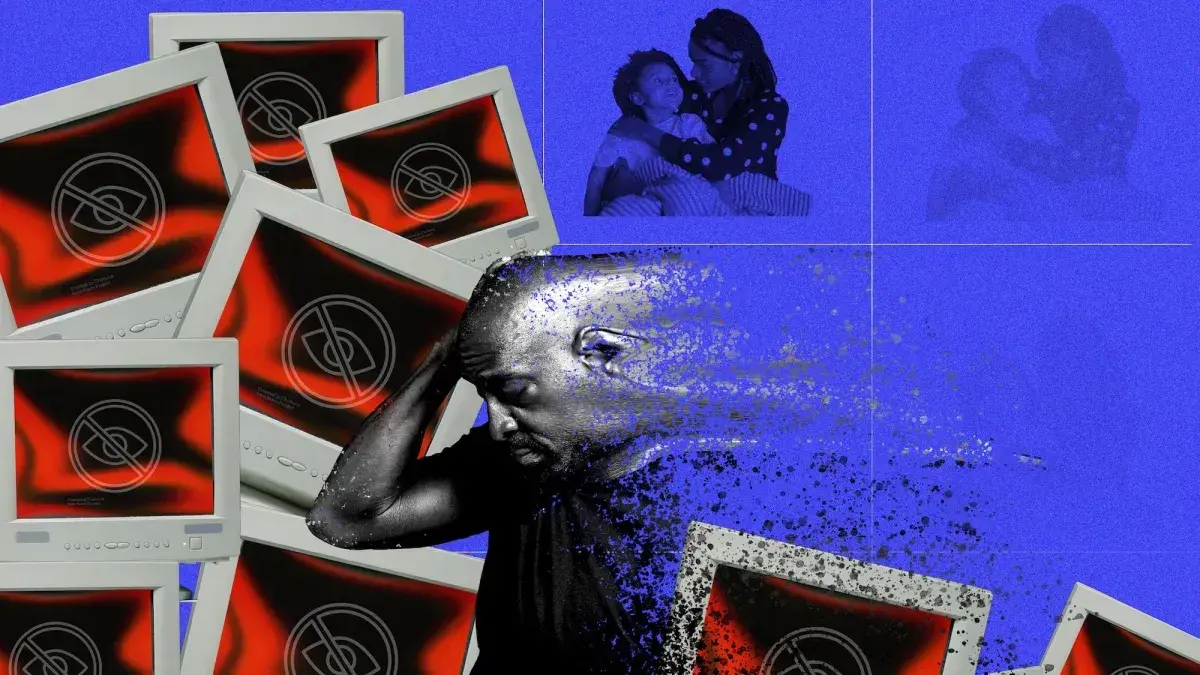
The Survey of American Fears revealed a striking reality about the societal impact of AI anxiety. Americans now fear AI's effects on the political process more than they fear a loved one becoming seriously ill, which ranked fourth at 51.8%
2
4
. This extraordinary context demonstrates that anxieties about AI are consuming more mental space than the possibility of a loved one receiving a terminal diagnosis4
. Christopher Bader, professor of sociology at Chapman University and survey creator, emphasized the breadth of these concerns: "These findings make it clear that Americans are concerned not just about what AI might mean for their jobs, but about its potential impact on our political system and the economy"3
.
Source: Popular Science
Government Corruption Maintains Top Position
Despite the dramatic entrance of AI-related fears, government corruption retained its position as the nation's leading fear for the 11th consecutive survey, with 61.1% of respondents reporting they are afraid or very afraid
3
5
. The fear of the United States becoming involved in another world war jumped from sixth place in 2025 to second place in 2026, with 58% expressing fear3
. This shift appears influenced by recent global conflicts, including tensions with Iran3
. The persistence of corruption as the top concern reveals a durable distrust of public institutions that newer technological anxieties have stacked upon rather than displaced5
.Midterm Elections Amplify AI Political Concerns
The timing of these AI-related fears carries particular significance with midterm elections approaching. The survey's revelation that AI harming the political process ranks third among American fears reflects widespread anxiety about technological interference in democratic processes
1
. Political candidates are already spending substantial amounts on AI-generated content in efforts to influence the upcoming midterm elections4
. The concerns extend beyond election interference to encompass the broader question of how artificial intelligence integrates into the fabric of political discourse and decision-making.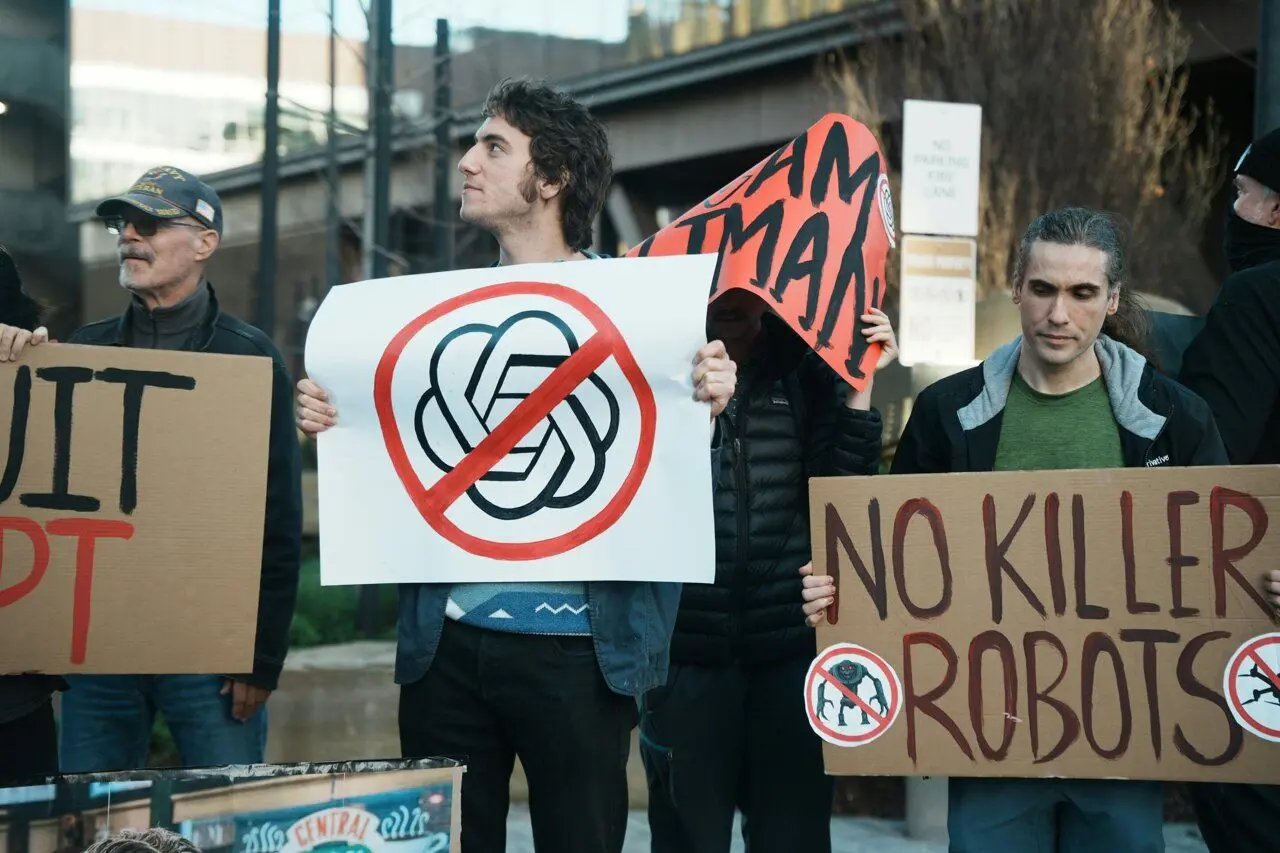
Source: Phys.org
Economic Consequences and Job Displacement Drive Anxiety
Beyond the top 10 fears, the Chapman University survey explored multiple dimensions of AI anxiety affecting American workers and the broader economy. Concerns about AI replacing people in the workforce registered at 42%, while an equal percentage worried about AI harming personal relationships
1
. Additional workplace anxieties included reporting to an AI manager at work at 19.1%, having work evaluated by AI at 19.3%, and working with AI-enabled technologies at 17.2%1
. The tech industry's massive investments in data centers and AI infrastructure have created economic consequences that could ripple through global markets if expectations fail to materialize4
.Related Stories

Familiarity Breeds Less Fear
Researchers uncovered a notable pattern in how public perception shifts with experience. People who use AI at least weekly demonstrate lower fear levels compared to those who never engage with the technology. Specifically, 46% of weekly AI users fear it could harm the political process, compared with 55% of those who never use AI
3
. Seth Benzell, assistant professor at Chapman University who studies the economics of AI, noted that "People's fears about AI are much broader than concerns about automation or job displacement"3
. The survey also found Americans express more hope than fear about certain technologies, including abundant clean energy, life-extension medicine, and human-robot collaboration in manufacturing3
.
Source: CNET
Broader Technological Fears Shape Public Perception
The Survey of American Fears revealed that AI anxiety exists within a larger landscape of technology-related concerns. Government tracking of personal data worried 48.9% of Americans, while cyberterrorism concerned 45.7%
1
. Environmental concerns also surfaced, with 43.2% fearing AI hurting the environment1
. Ashley Kranjac, director of Chapman University's Earl Babbie Research Center, observed that despite these technological anxieties, fundamental human concerns persist: "What I'm seeing more and more over time is that our fear about our loved ones is going to always be there, no matter what's going on in the world"2
.Looking Ahead at AI's Role in National Conversation
Bader emphasized the enduring nature of these concerns: "As artificial intelligence becomes more integrated into everyday life, understanding these fears will be increasingly important. We expect concerns about AI to remain a significant part of the national conversation in the years ahead"
2
3
. The survey's findings arrive at a moment when the AI industry faces scrutiny over rampant misinformation spread and a lack of meaningful regulations or oversight2
. Supporting this concern, a separate Politico poll found that roughly two-thirds of Americans believe there's now at least a moderate chance that advanced AI could destroy humanity4
. Watch for how these fears influence voter behavior in upcoming elections and whether policymakers respond with substantive regulatory frameworks addressing both the political and economic dimensions of AI deployment.References
Summarized by

Navi
[1]
[2]
Related Stories
Americans Fear AI Will Slash Job Opportunities as Trust Plummets Despite Rising Adoption
30 Mar 2026•Entertainment and Society

Americans Express Concerns Over AI's Impact on Personal Lives and Human Abilities
18 Sept 2025•Technology

Global Survey Reveals 74% of Americans Worry About AI Despite Daily Use, Job Losses Expected
18 Sept 2026•Entertainment and Society

Recent Highlights



Recent Highlights
Today's Top Stories




Don’t drown in AI news. We cut through the noise - filtering, ranking and summarizing the most important AI news, breakthroughs and research daily. Follow topics that matter to you and stay ahead.


