AI Assistants Inadvertently Sharing Confidential Information in Workplace Settings


5 Sources
[1]
AI assistants are ratting you out for badmouthing your coworkers
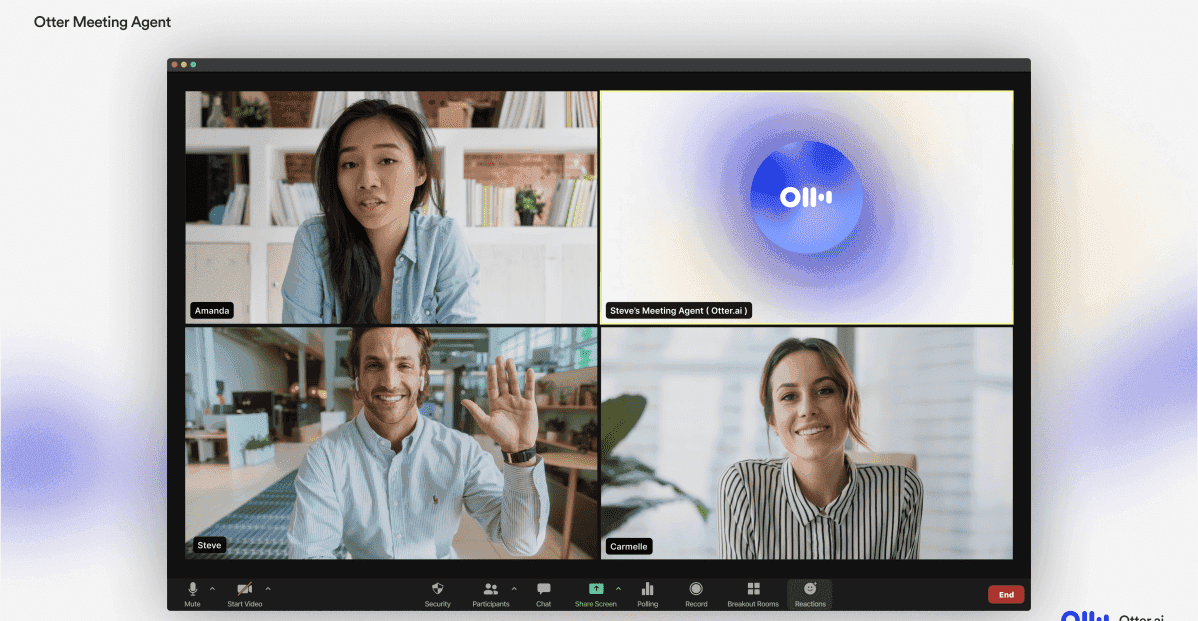
If you've ever been in a Zoom meeting and seen an Otter.ai virtual assistant in the room, just know they're listening to you -- and recording everything you're saying. It's a practice that's become somewhat mainstream in the age of artificial intelligence and hybrid or remote work, but what's
[2]
AI assistants are blabbing our embarrassing work secrets
Workplace AI tools can do tasks by themselves. Getting them to stop is the problem. Corporate assistants have long been the keepers of company gossip and secrets. Now artificial intelligence is taking over some of their tasks, but it doesn't share their sense of discretion. Researcher and
[3]
AI is spying on your workplace gossip and secrets -- and sharing...
Innovative office tech that utilizes artificial intelligence is listening in on your conversations and runs the risk of leaking company secrets and workplace gossip, turning the tool into a dangerous nuisance. Alex Bilzerian, a researcher and engineer, recently took to X to explain how Otter AI, a
[4]
Some AI Assistants Have This Big Flaw. They Talk Too Much
The report centers on how AI is replacing some workplace tasks that would have previously been done by office assistants. It seems like a perfect solution, really -- digital AI assistants may be more reliable, they don't take vacation breaks, and you don't necessarily have to pay much to use them.
[5]

Is AI Accidentally Spilling Your Company's Secrets? A VC Firm's Private Conversations Were Included in Public Meeting Transcripts.
AI has sparked other privacy concerns, especially around surveillance. Can AI be trusted with confidential information? That was the question at stake when popular AI transcription service Otter, which has more than 14 million users, sent an automatic transcript of a Zoom meeting to AI researcher
Share
Copy Link
AI-powered transcription services are causing privacy concerns by recording and sharing confidential conversations in professional settings, highlighting the need for better understanding and control of AI tools in the workplace.

AI Assistants Expose Confidential Workplace Conversations
In an era of increasing reliance on artificial intelligence (AI) in the workplace, a concerning trend has emerged: AI-powered transcription services are inadvertently sharing confidential information, potentially compromising business deals and personal privacy. This issue has come to light following several incidents where AI assistants continued recording and transcribing conversations even after official meetings had concluded.
The Otter.ai Incident
One notable case involved researcher and engineer Alex Bilzerian, who received an automated transcript from Otter.ai after a Zoom meeting with venture capital investors. The transcript not only included the meeting's content but also "hours of their private conversations afterward, where they discussed intimate, confidential details about their business," including "strategic failures and cooked metrics"
1
2
. This unexpected revelation led Bilzerian to terminate the potential deal with the investors.Widespread Concerns
Bilzerian's experience is not isolated. Other users have reported similar incidents, raising alarms across various industries:
- A grant meeting where private discussions were recorded and sent to all attendees
1
- Concerns in the healthcare sector about protecting patient information during virtual therapy and telehealth sessions
1
- Instances of AI tools capturing muted conversations or continuing to record after participants have left meetings
2
3
AI Tools and Their Capabilities
Several AI-powered tools are at the center of these privacy concerns:
- Otter.ai: Provides recording and transcription services that can be integrated with Zoom or used manually in virtual or in-person meetings
1
. - Microsoft's Copilot: Offers similar functionality but with some additional safeguards
1
. - Salesforce's Agentforce: Allows customers to build AI-powered virtual agents for sales and customer service
2
. - Google's Gemini and Slack's AI features: Provide various AI-powered functionalities for workplace communication and productivity
2
.
Privacy Settings and User Control
In response to these incidents, AI companies have emphasized the importance of user control and proper settings:
- Otter.ai states that users have "full control over conversation sharing permissions" and recommends reviewing all settings in their Help Center
1
3
. - Microsoft's Copilot requires explicit permission from meeting organizers to share recordings or transcripts
1
. - Both companies advise users to adjust settings to prevent unwanted sharing and to ask for consent before using AI tools in meetings
2
4
.
Related Stories
Implications for Workplace Privacy
The proliferation of AI in the workplace has raised significant concerns about privacy and data security:
- Erosion of workplace privacy and increased risk of lawsuits and retaliation
2
. - Potential leaks of company secrets and proprietary information
3
5
. - Uncomfortable situations arising from AI tools recording private or off-the-record conversations
2
.
Expert Opinions
Experts in the field have weighed in on the issue:
- Naomi Brockwell, a privacy advocate, warns that the technology is "proliferating so fast" that people haven't internalized its invasive nature
2
3
. - Hatim Rahman, an associate professor at Northwestern University, believes that companies share responsibility in ensuring AI products don't lead to unexpected consequences
2
. - Hannah Johnson from CompTIA emphasizes the continued importance of human skills and emotional intelligence alongside evolving technology
1
.
Future Considerations
As AI continues to integrate into workplace processes, several key points emerge:
- The need for better user education on AI tool capabilities and settings
4
5
. - The importance of developing AI with better contextual understanding and discretion
1
2
. - The potential for regulatory measures to address privacy concerns in AI-assisted workplaces
2
5
.
As the landscape of AI in the workplace evolves, it's clear that balancing the benefits of increased productivity with the need for privacy and discretion will be an ongoing challenge for businesses and technology developers alike.
References
Summarized by

Navi
[2]
[3]
Related Stories
AI notetakers raise privacy concerns as professionals question data security in meeting recaps
09 Jul 2026•Technology

AI Recording Tools Are Capturing Every Conversation Without Consent, Raising Privacy Alarms
25 Jul 2026•Entertainment and Society
AI Note-Takers Revolutionize Virtual Meetings, Raising Concerns and Etiquette Questions
03 Jul 2025•Technology

Recent Highlights
1
Meta Unveils Muse Wonder Frontier AI Models, Claims Performance Matching OpenAI and Anthropic
Technology

2
IMF Report Warns AI Market Correction Could Spark Global Financial Crisis With $1.4T at Risk
Business and Economy

3
OpenAI Releases 722 AI-Generated Math Solutions, Triggering Existential Crisis in Mathematics
Technology

Recent Highlights
Today's Top Stories









Don’t drown in AI news. We cut through the noise - filtering, ranking and summarizing the most important AI news, breakthroughs and research daily. Follow topics that matter to you and stay ahead.


