AI Recording Tools Are Capturing Every Conversation Without Consent, Raising Privacy Alarms


2 Sources
[1]
People are recording every conversation with AI tools, and nobody consented
AI tools now record conversations without announcing themselves, and users are bringing them to dates and personal chats A growing number of professionals have started using AI tools to record every conversation they have, and the people being recorded usually have no idea it is happening. The
[2]
People Are Starting to Record Every Conversation They Have Without Disclosing It, and It's Gross
Can't-miss innovations from the bleeding edge of science and tech It's become strangely difficult to attend a work meeting without the presence of an AI recording tool that's carefully jotting down what every single participant is saying. Some people in tech circles are taking the trend to
Share
Copy Link
AI-powered recording tools are now being used to capture conversations in personal settings like dates and therapy sessions, often without the other person's knowledge. Apps like Granola, valued at $1.5 billion, record audio without announcing their presence, creating legal risks in states requiring all-party consent and raising concerns about privacy violations and cognitive offloading.
AI Tools to Record Conversations Move Beyond the Workplace
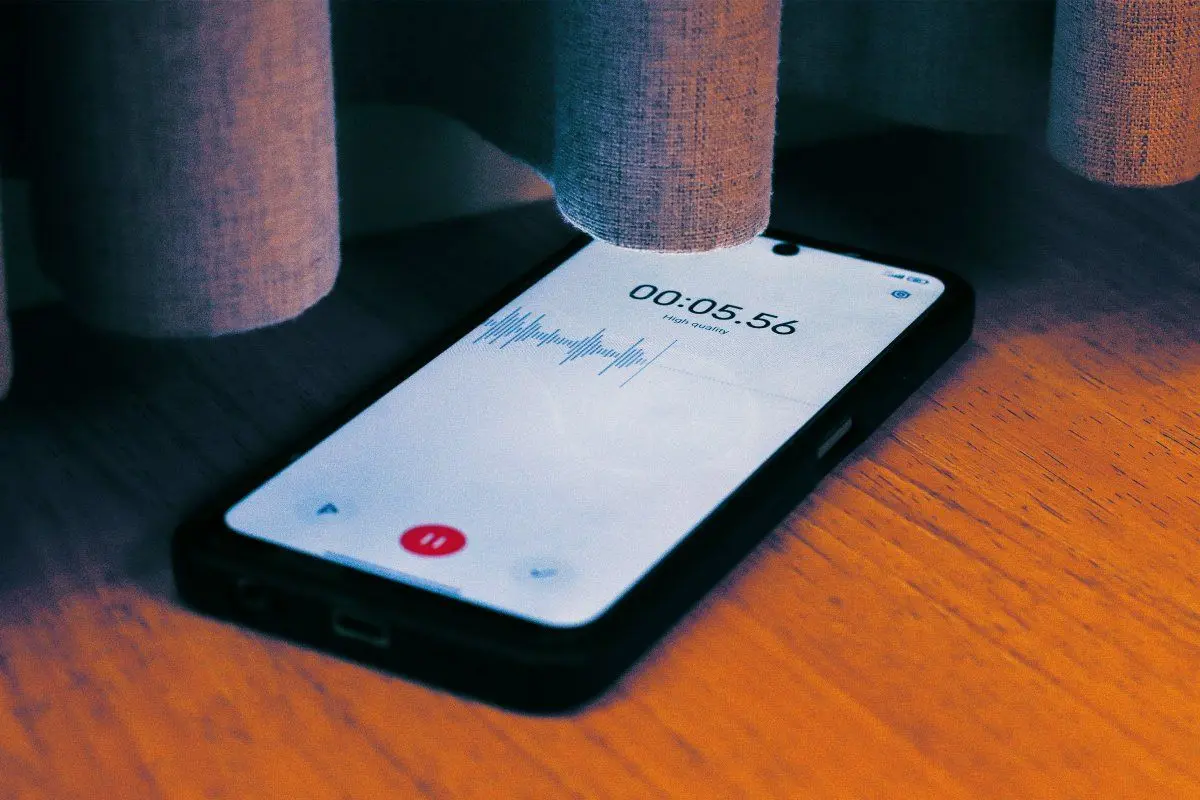
A troubling trend has emerged among tech professionals who now use AI recording tools to capture every conversation they have, extending far beyond workplace meetings into deeply personal territory. Apps like Granola have made ambient recording so seamless that users are bringing the technology to first dates, therapy sessions, and casual dinners with friends, all while the people being recorded remain completely unaware
1
2
.
Source: Futurism
Granola, which raised $125 million earlier this year at a valuation of $1.5 billion, operates differently from traditional recording tools. Instead of joining calls as a visible bot participant, it records audio directly through the user's device microphone, leaving no trace that documentation is occurring
1
. This frictionless approach has attracted devoted users like Michelle Lim, CEO of meeting software company Flint, who told the Wall Street Journal she wishes Granola were running in every room she enters1
.Recording Conversations Without Consent Creates Legal Jeopardy
The practice of recording conversations without disclosure carries serious legal risks that most users appear to have overlooked. In eleven US states that require all-party consent for recordings, including California, Florida, Illinois, and Pennsylvania, documenting conversations without informing participants constitutes a potential felony under state wiretapping laws
1
. Privacy law expert Alex Alben warned that automatic recording involving third parties creates liability that companies and individuals have not adequately considered2
.The extent to which some users have embraced these AI-powered recording tools is striking. Emmie Chang, founder of startup Yuzu Labs, admitted to recording first dates by placing her phone on the table or chair, then sending transcripts to Anthropic's Claude for feedback on whether she could be more engaging or empathetic
1
2
. Others have described recording therapy sessions and doctor visits without disclosure1
.Workplace Risks and Privacy Concerns Multiply
The workplace implications of AI notetakers have already begun to materialize, with reports surfacing of recording tools remaining active on video calls after employees have left, silently documenting informal conversations and gossip
1
. Amy Dufrane, CEO of the Human Resource Certification Institute, told the Associated Press that these tools pose enormous organizational risk, arguing companies should avoid using them entirely due to dangers including leaked confidential information, potentially incriminating remarks, and exposed trade secrets1
2
.Michelle Lim acknowledged that asking permission for recording "almost kills the mood," admitting she simply assumes she's being recorded in most interactions
2
. This casual attitude toward consent reflects a broader shift in how technology workers view privacy, both their own and others'.Related Stories

Ethical Concerns and Cognitive Offloading Effects
Beyond the legal and privacy concerns, researchers have identified another troubling dimension to the widespread adoption of these AI-powered recording tools. Studies on cognitive offloading have found a negative correlation between heavy AI use and critical thinking abilities
1
2
. The concern extends beyond people recording without consent to whether users are losing the fundamental ability to listen, remember, and process conversations independently1
.As these tools become cheaper and more invisible, the question facing society is no longer whether they will spread but whether anyone will bother to ask permission first. The ethical concerns surrounding this technology highlight a tension between convenience and respect for others' privacy that remains unresolved. Workers have little recourse when confronted with workplace recording, and will likely have to accept being documented as these practices become normalized
2
. What started as a productivity tool for meetings has evolved into something far more invasive, with implications that neither the tools nor their users appear ready to address.🟡 curiosity, and in which I could learn more about a variety of things.)References
Summarized by

Navi
Related Stories
AI Assistants Inadvertently Sharing Confidential Information in Workplace Settings
03 Oct 2024•Technology

Tech Giants Redefine 'Recording' With AI Hardware, Sparking Privacy Debate
06 Oct 2026•Policy and Regulation

AI notetakers raise privacy concerns as professionals question data security in meeting recaps
09 Jul 2026•Technology

Recent Highlights



Recent Highlights
Today's Top Stories






Don’t drown in AI news. We cut through the noise - filtering, ranking and summarizing the most important AI news, breakthroughs and research daily. Follow topics that matter to you and stay ahead.


