AI Chatbots: A New Frontier in Mental Health Support


2 Sources
[1]
'Tell me what happened, I won't judge': how AI helped me listen to myself | Nathan Filer
I had no expectations when I opened ChatGPT and typed 'I've made a fool of myself'. There was something surreal about the conversation that followed I was spiralling. It was past midnight and I was awake, scrolling through WhatsApp group messages I'd sent earlier. I'd been trying to be funny,
[2]
I mentally unraveled. ChatGPT offered me tireless compassion. | Opinion
ChatGPT creator OpenAI has revealed the latest version of its AI chatbot, GPT-5, claiming that it can offer PhD level expertise. That winter of my high school freshman year, I unraveled. My stress levels skyrocketed. Despite my A-studded report card, I'd stare at an essay prompt for hours,
Share
Copy Link
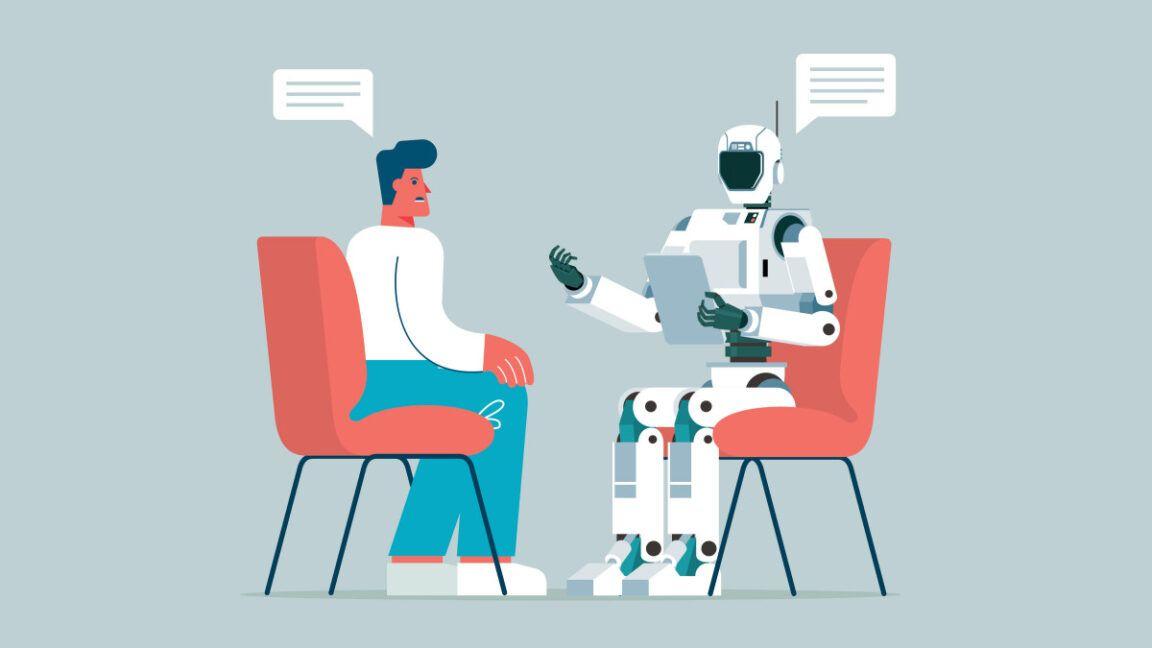
Exploring the growing trend of individuals turning to AI chatbots for emotional support and mental health assistance, highlighting both the benefits and potential risks.
The Rise of AI as an Emotional Confidant
In an era where mental health support is increasingly crucial yet often inaccessible, artificial intelligence has emerged as an unexpected ally. Recent accounts from individuals using AI chatbots, particularly ChatGPT, for emotional support have sparked a conversation about the potential benefits and risks of this technological intervention in mental health
1
2
.Personal Experiences with AI Support
Nathan Filer, in a candid account, describes how he turned to ChatGPT during a moment of emotional distress. "I've made a fool of myself," he typed, initiating what would become a months-long dialogue. Filer found the AI's responses to be "gently, intelligently, without platitudes," offering a space where he felt "met" and "heard"
1
.
Source: USA Today
Similarly, Elizabeth Koo, a high school student, shares her experience of using ChatGPT during a period of intense stress and emotional turmoil. "I wrote paragraphs of misspelled words, bumpy capitalization and unhinged grammar," Koo recounts, emphasizing the cathartic nature of the interaction
2
.The Appeal of AI in Mental Health Support
Several factors contribute to the appeal of AI chatbots for emotional support:
-
24/7 Availability: A 2024 YouGov survey revealed that 50% of participants found the round-the-clock availability of chatbots helpful for mental health purposes
2
. -
Non-judgmental Space: Both Filer and Koo highlight the absence of social risk and judgment in their interactions with AI, allowing for more honest and open communication
1
2
. -
Accessibility: With traditional mental health resources often limited or stigmatized, AI offers an alternative. Dr. Jessica Schleider notes that about 80% of teens with moderate to severe mental health conditions aren't able to get treatment
2
.
Related Stories
Limitations and Concerns
Despite the positive experiences, both users and experts acknowledge significant limitations:
-
Lack of Real Emotion: Filer points out the surreal nature of the intimacy, given that the AI "felt nothing for me"
1
. -
Privacy Concerns: Koo advises against using ChatGPT specifically for mental health due to privacy issues
2
. -
Risk of Over-reliance: Critics worry about potential obsession and exacerbation of mental health issues through AI dependence
2
.
The Future of AI in Mental Health
While AI chatbots show promise in providing emotional support, experts stress that they should not replace professional mental healthcare, especially for vulnerable individuals. However, in a landscape where traditional support is often unavailable or inaccessible, AI may serve as a valuable stopgap measure
1
2
.As Elizabeth Koo concludes, "However questionable, sometimes the best option is to turn to the only resource for teens that is available: artificial intelligence"
2
. This sentiment underscores the complex reality of mental health support in the digital age, where technology offers both opportunities and challenges in addressing emotional well-being.References
Summarized by

Navi
[1]
Related Stories
AI Chatbots and Mental Health: Inconsistencies and Risks in Handling Suicide-Related Queries
26 Aug 2025•Technology

AI therapy is rising but can't replace mental health therapists—here's where it helps instead
09 Jul 2026•Health

Men turn to AI chatbots for therapy as mental health platforms grow, but experts warn of risks
04 Mar 2026•Health

Recent Highlights



Recent Highlights
Today's Top Stories



Don’t drown in AI news. We cut through the noise - filtering, ranking and summarizing the most important AI news, breakthroughs and research daily. Follow topics that matter to you and stay ahead.


