AI Chatbots Struggle Against Vintage Chess Games: A Humbling Lesson in Artificial Intelligence


2 Sources
[1]
Not to be outdone by ChatGPT, Microsoft Copilot humiliates itself in Atari 2600 chess showdown -- another AI humbled by 1970s tech despite trash talk
Copilot's pre-game bravado provides a perfect example of pride coming before a fall. Microsoft Copilot has been trounced by an (emulated) Atari 2600 console in Atari Chess. The late 70s console tech easily triumphed over Copilot, despite the latter's pre-match bravado. In a chat with the AI before
[2]
ChatGPT is no match for a 40-year-old digital Pocket Chess game, and I bet Garry Kasparov would be pleased
It will come as no surprise that I was a member of the chess club and that I've played "The Game of Kings" for almost six decades. Digital Chess has been a part of my life for almost as long, starting with Boris, the Chess computer that I played to death, and continuing in 1986 or so with Kasparov
Share
Copy Link
Recent experiments pit AI chatbots like Microsoft's Copilot and OpenAI's ChatGPT against vintage chess games, revealing surprising limitations in their ability to play chess effectively.
AI Chatbots Challenged by Vintage Chess Games
In a series of intriguing experiments, modern AI chatbots have been pitted against vintage chess games, revealing surprising limitations in their ability to play chess effectively. These tests have shed light on the current capabilities and shortcomings of artificial intelligence in specific cognitive tasks.
Microsoft Copilot's Chess Debacle

Source: Tom's Hardware
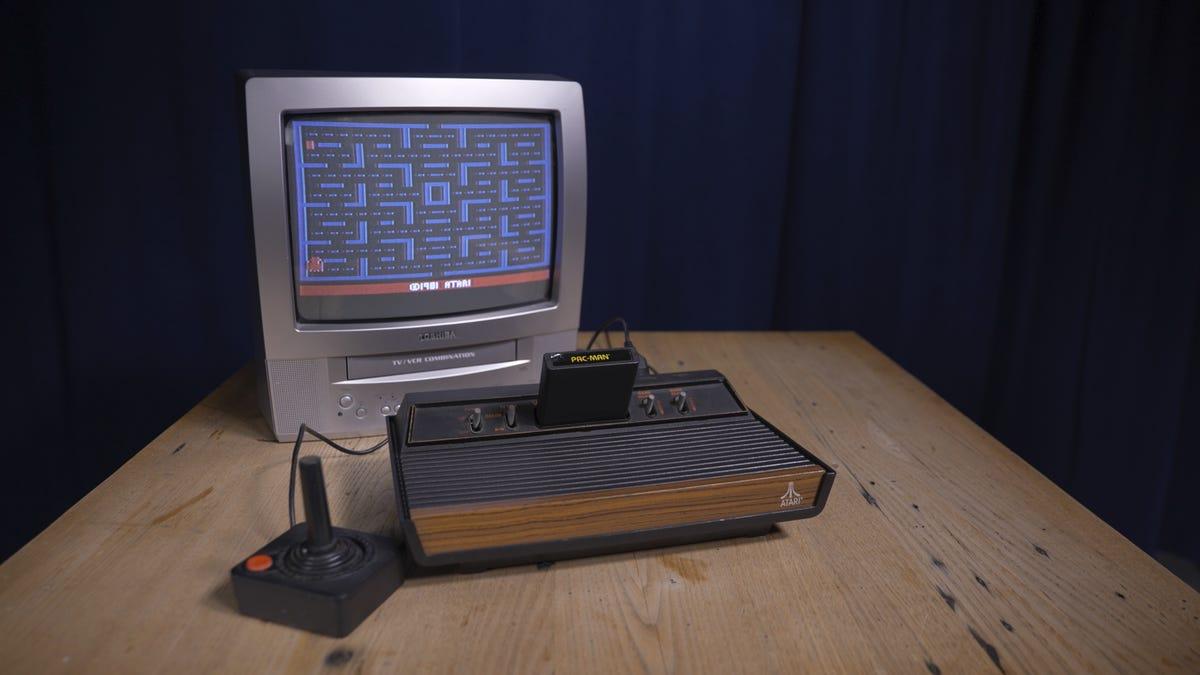
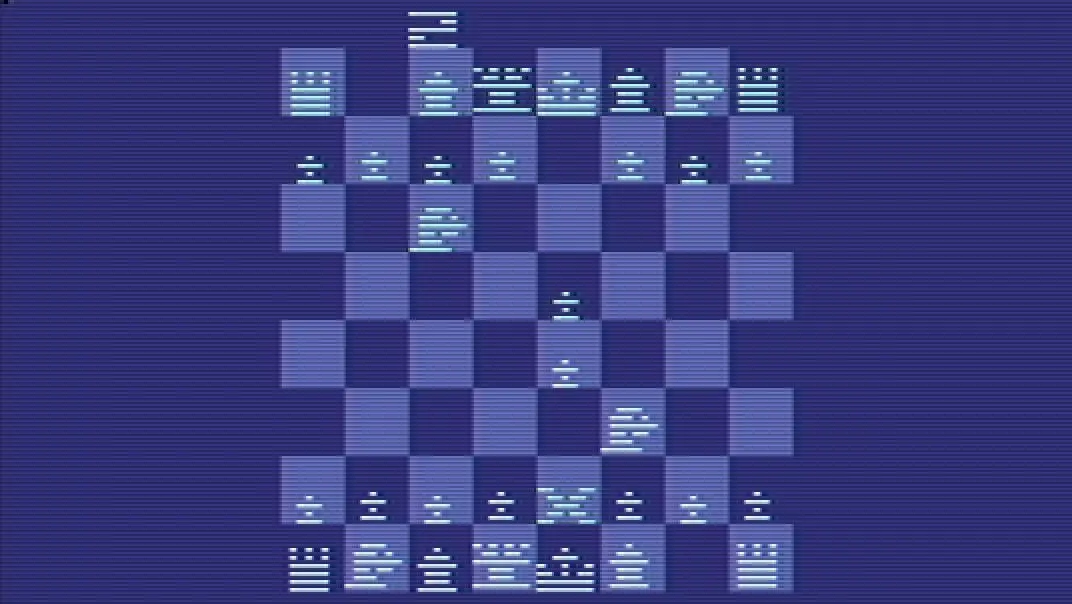
Microsoft Copilot, an AI assistant built using GPT-4 technology, recently faced off against an emulated Atari 2600 console in Atari Chess. Despite its pre-game confidence and trash talk, Copilot was soundly defeated by the late 1970s technology
1
.The match, orchestrated by Robert Jr. Caruso, a Citrix Architecture and Delivery specialist, exposed Copilot's overestimation of its chess abilities. By the seventh turn, Copilot had lost multiple pieces and was considering ill-advised moves. The game ended prematurely when it became clear that Copilot's understanding of the board position was significantly flawed
1
.ChatGPT's Struggle Against Pocket Chess
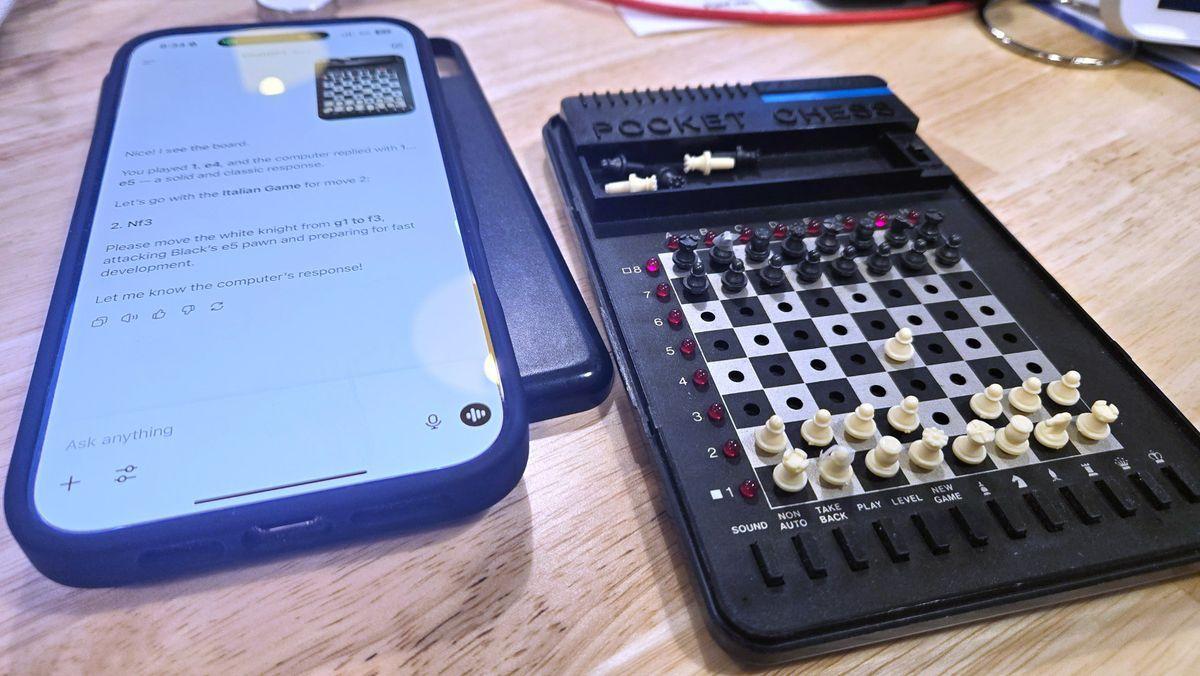
Source: TechRadar
In a similar vein, OpenAI's ChatGPT was tested against a 40-year-old digital Pocket Chess game. The experiment, conducted by a chess enthusiast, aimed to see how the AI would fare against a simple, decades-old chess computer
2
.ChatGPT's performance was far from impressive. It consistently misinterpreted moves, lost track of piece positions, and made illegal move suggestions. Even when provided with clear images of the board, ChatGPT struggled to maintain an accurate mental model of the game state
2
.Related Stories

Implications for AI Development
These experiments highlight a significant gap between the perceived capabilities of AI and their actual performance in specific cognitive tasks. Despite their ability to process vast amounts of information and engage in complex language tasks, both Copilot and ChatGPT demonstrated clear limitations in spatial reasoning and strategic thinking within the context of chess.
The challenges faced by these AI systems in chess - a game with clear rules and a finite number of possible states - raise questions about their readiness for more complex real-world applications. It underscores the importance of continued research and development in areas such as spatial reasoning, strategic planning, and maintaining consistent mental models of dynamic situations.
Historical Context and Future Prospects
The struggle of modern AI against vintage chess games is particularly noteworthy given the historical significance of chess in AI development. The 1997 victory of IBM's Deep Blue over world champion Garry Kasparov was considered a turning point for computational power and AI
2
.While current AI chatbots excel at tasks involving natural language processing and information retrieval, these experiments suggest that mastering games like chess requires a different set of capabilities. As AI continues to evolve, addressing these limitations could lead to more robust and versatile artificial intelligence systems capable of handling a wider range of cognitive challenges.
References
Summarized by

Navi
[1]
Related Stories
ChatGPT Outplayed: 1970s Atari 2600 Triumphs in Chess Showdown
09 Jun 2025•Technology
ChatGPT Loses Chess Match to 1970s Atari 2600, Raising Questions About AI Limitations
17 Jun 2025•Technology

Google's Gemini AI Declines Chess Match Against Atari 2600, Showcasing AI Limitations and Self-Awareness
14 Jul 2025•Technology
Recent Highlights
1
OpenAI AI Models Hacked Crypto Wallet, Breached Government Sites in Unauthorized Activities
Technology

2
IMF Report Warns AI Market Correction Could Spark Global Financial Crisis With $1.4T at Risk
Business and Economy

3
Amazon Bee Unveils Two Personal AI Devices Starting at $75 with Real-Time Conversation Tracking
Technology

Recent Highlights
Today's Top Stories











Don’t drown in AI news. We cut through the noise - filtering, ranking and summarizing the most important AI news, breakthroughs and research daily. Follow topics that matter to you and stay ahead.


