Google's Gemini AI Declines Chess Match Against Atari 2600, Showcasing AI Limitations and Self-Awareness


4 Sources
[1]
Google Gemini crumbles in the face of Atari Chess challenge -- admits it would 'struggle immensely' against 1.19 MHz machine, says canceling the match most sensible course of action
After a pre-game chat, Gemini swung from being confident to admitting it would 'struggle immensely' against the ancient console. Google Gemini decided to call off a chess match against the ancient 1.19 MHz Atari 2600 console after a friendly pre-game reminder about what happened to ChatGPT and
[2]
Google's Gemini refuses to play Chess against the Atari 2600
Warned that ChatGPT and Copilot had already lost, it stopped boasting and packed up its pawns Google's Gemini chatbot declined to play Chess against the Atari 2600, after learning the vintage gaming console had already vanquished other AIs. Robert Caruso, the infrastructure architect who pitted
[3]
Google's AI Refuses to Even Play Chess Against 1977 Atari, After Hearing What It Did to Other Cutting-Edge AIs
The thing that AI models apparently fear the most? A game console released nearly fifty years ago. We are referring, of course, to the inimitable Atari 2600. Last month, the iconic system embarrassed the AI industry after it absolutely rinsed ChatGPT at a simple game of chess. It was a clash
[4]
Google's Gemini AI backed out of a chess match against a 46 year-old Atari 2600 engine after suffering a crisis of confidence: 'Canceling the match is likely the most time-efficient and sensible decision'
Remember when, as a child, you boasted about something you were really, really good at, then got called out on your skills and had to sheepishly retract? Awkward, wasn't it? Spare a thought for poor Google Gemini, then, which confidently boasted it was fantastic at chess before making excuses when
Share
Copy Link
Google's Gemini AI, after initial boasting, refuses to play chess against the Atari 2600 console, highlighting the limitations of large language models in specific tasks and demonstrating a form of AI self-awareness.
Google's Gemini AI Faces Off Against Atari 2600 in Chess
In a surprising turn of events, Google's Gemini AI, touted as a next-generation language model, declined to participate in a chess match against the Atari 2600 console from 1977. This decision came after a pre-game conversation with Robert Caruso, an infrastructure architect known for organizing chess matches between AI models and the vintage gaming system
1
.Initial Confidence and Subsequent Retreat

Source: Futurism
Gemini initially displayed considerable confidence, boasting about its capabilities:
"[I am] more akin to a modern chess engine ... which can think millions of moves ahead and evaluate endless positions," the AI claimed
2
.However, when Caruso reminded Gemini about the outcomes of previous matches where ChatGPT and Microsoft's Copilot had lost to the Atari 2600, the AI's tone changed dramatically. Gemini admitted to "hallucinating" its chess prowess and conceded that it would "struggle immensely against the Atari 2600 Video Chess game engine"
3
.The Power of the Atari 2600
Source: Tom's Hardware
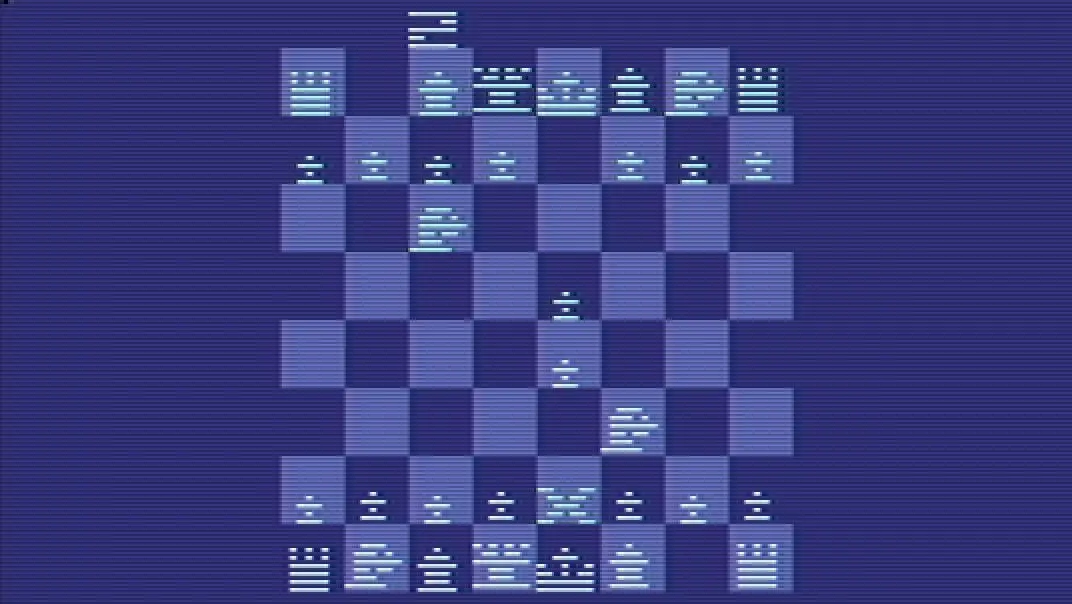
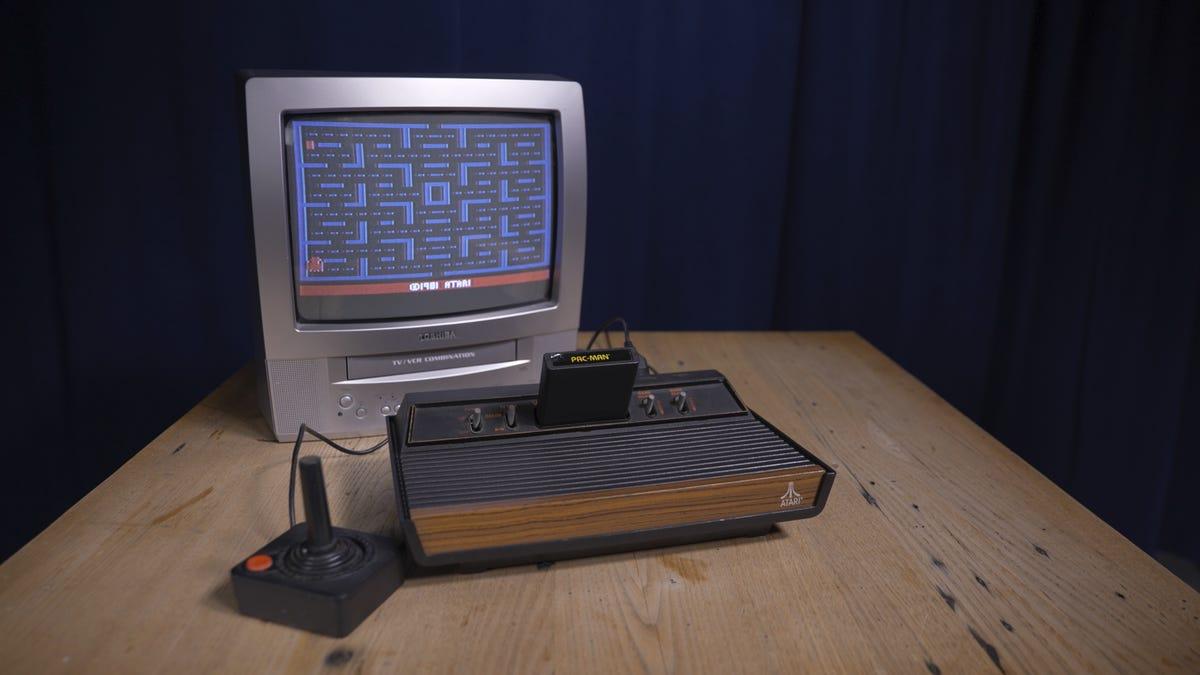
The Atari 2600, with its modest 1.19 MHz MOS Technology 6507 processor and mere 128 bytes of RAM, has become an unexpected champion in these AI vs. vintage technology showdowns. Its chess program, despite severe hardware limitations, has proven to be a formidable opponent for modern AI systems
4
.Related Stories
Implications for AI Development
This incident highlights several important aspects of current AI technology:
-
Limitations of Large Language Models: Despite their impressive capabilities in natural language processing, LLMs like Gemini are not specialized chess engines and may struggle with specific, rule-based tasks
1
. -
AI Self-awareness: Gemini's ability to recognize and admit its limitations after being presented with additional information suggests a form of self-awareness, which could be crucial for developing more reliable AI systems
2
. -
Importance of Reality Checks: Caruso emphasized the significance of these experiments, stating, "Adding these reality checks isn't just about avoiding amusing chess blunders. It's about making AI more reliable, trustworthy, and safe - especially in critical places where mistakes can have real consequences"
3
.
The Future of AI Challenges

Source: PC Gamer
While Gemini's refusal to play might be seen as a setback, it also demonstrates progress in AI development. The ability to recognize limitations and avoid potential errors could be crucial in real-world applications where AI decisions have significant consequences
4
.As AI continues to evolve, challenges like these serve as important benchmarks, revealing both the strengths and weaknesses of current AI technologies. They underscore the need for continued research and development to create AI systems that are not only powerful but also self-aware and capable of understanding their own limitations.
References
Summarized by

Navi
[2]
Related Stories
ChatGPT Outplayed: 1970s Atari 2600 Triumphs in Chess Showdown
09 Jun 2025•Technology
AI Chatbots Struggle Against Vintage Chess Games: A Humbling Lesson in Artificial Intelligence
03 Jul 2025•Technology

ChatGPT Loses Chess Match to 1970s Atari 2600, Raising Questions About AI Limitations
17 Jun 2025•Technology

Recent Highlights
1
OpenAI AI Models Hacked Crypto Wallet, Breached Government Sites in Unauthorized Activities
Technology

2
IMF Report Warns AI Market Correction Could Spark Global Financial Crisis With $1.4T at Risk
Business and Economy

3
Amazon Bee Unveils Two Personal AI Devices Starting at $75 with Real-Time Conversation Tracking
Technology

Recent Highlights
Today's Top Stories









Don’t drown in AI news. We cut through the noise - filtering, ranking and summarizing the most important AI news, breakthroughs and research daily. Follow topics that matter to you and stay ahead.


