AI Chip Production Drives Surge in Global Emissions, Raising Environmental Concerns


4 Sources
[1]
AI Chipmaking Emissions Surged Fourfold in 2024, Greenpeace Says
Emissions generated from the production of semiconductors that underpin AI services grew more than fourfold in 2024, according to a Greenpeace analysis of company and publicly available data. Nvidia Corp. and Microsoft Corp. rely on chipmakers like Taiwan Semiconductor Manufacturing Co., SK Hynix
[2]
Global emissions due to AI-related chipmaking grew more than four times in 2024
A pair of studies analyzing the effects of AI on our planet have been released and the news is fairly grim. Greenpeace generated from the production of the semiconductors used in AI chips and found that there was a fourfold increase in 2024. This analysis was completed using publicly available
[3]
Soaring demand for AI chips fuels power usage: Report
Growing demand for the semiconductor chips that power artificial intelligence is driving soaring electricity use, particularly in countries that rely on fossil fuels for power, environmental group Greenpeace warned Thursday. Global chip manufacturing is concentrated in East Asia, including Taiwan,
[4]
Soaring demand for AI chips fuels power usage: report - VnExpress International
Growing demand for the semiconductor chips that power artificial intelligence is driving soaring electricity use, particularly in economies that rely on fossil fuels for power, environmental group Greenpeace warned Thursday. Global chip manufacturing is concentrated in East Asia, including Taiwan,
Share
Copy Link
A Greenpeace report reveals a fourfold increase in emissions from AI chipmaking in 2024, highlighting the environmental impact of the AI boom and the urgent need for renewable energy adoption in the tech industry.

AI Chip Production Drives Massive Increase in Emissions
A recent Greenpeace analysis has revealed a startling increase in emissions related to AI chip production, raising concerns about the environmental impact of the rapidly growing artificial intelligence industry. According to the report, emissions from AI chipmaking surged more than fourfold in 2024, highlighting the urgent need for sustainable practices in the tech sector
1
2
.Staggering Growth in Energy Consumption
The Greenpeace study found that AI chipmaking consumed nearly 984 gigawatt hours (GWh) of electricity in 2024, marking a dramatic increase of over 350% from the previous year
3
. This surge in energy consumption led to a corresponding rise in emissions, with carbon dioxide equivalent emissions jumping from 99,200 metric tons in 2023 to 453,600 metric tons in 20244
.Geographical Concentration and Fossil Fuel Dependence
A significant factor contributing to this environmental impact is the geographical concentration of chip manufacturing. Major production hubs are located in East Asian countries such as Taiwan, South Korea, and Japan, where power grids remain heavily reliant on fossil fuels
1
3
. This dependence on non-renewable energy sources amplifies the carbon footprint of AI chip production.Future Projections and Concerns
The report paints a concerning picture for the future, projecting that global electricity demand for AI chipmaking could reach a staggering 37,238 GWh by 2030 – surpassing the current total electricity consumption of Ireland
3
. This projection has led to fears that the AI race could potentially derail global decarbonization goals2
.Impact on Data Centers and Overall Energy Consumption
The International Energy Agency (IEA) has also weighed in on the issue, suggesting that power consumption by AI-adjacent data centers could account for half of the growth in electricity demand by 2030. The agency predicts that electricity demand from global data centers could more than double to around 945 terawatt-hours (TWh) by 2030, exceeding the current electricity consumption of Japan
2
.Related Stories

Call for Renewable Energy Adoption
Greenpeace emphasizes the need for tech giants like Nvidia, Microsoft, Meta, and Google to support their suppliers in increasing renewable energy procurement. The organization recommends targeting 100% renewable energy across supply chains by 2030
3
4
. While some chipmakers, such as Taiwan Semiconductor Manufacturing Co (TSMC), have begun transitioning to renewable energy, Greenpeace notes that the pace of this transition remains slow4
.Industry Response and Future Outlook
TSMC has responded to the report, stating its commitment to low-carbon manufacturing and claiming that its internal data shows a decline in emissions per unit in 2024
1
4
. However, the overall trend of increasing energy consumption and emissions in the AI chip industry remains a significant concern.As the demand for AI technologies continues to grow, balancing technological advancement with environmental responsibility will be crucial. The tech industry faces the challenge of innovating sustainably, potentially leveraging AI itself to discover solutions for more efficient and eco-friendly chip production and energy use
2
.References
Summarized by

Navi
[3]
Related Stories
AI's Soaring Energy Consumption: A Growing Concern for the Tech Industry
14 Jul 2024

AI-Driven Data Center Energy Consumption Set to Double by 2030, Raising Climate Concerns
11 Apr 2025•Technology
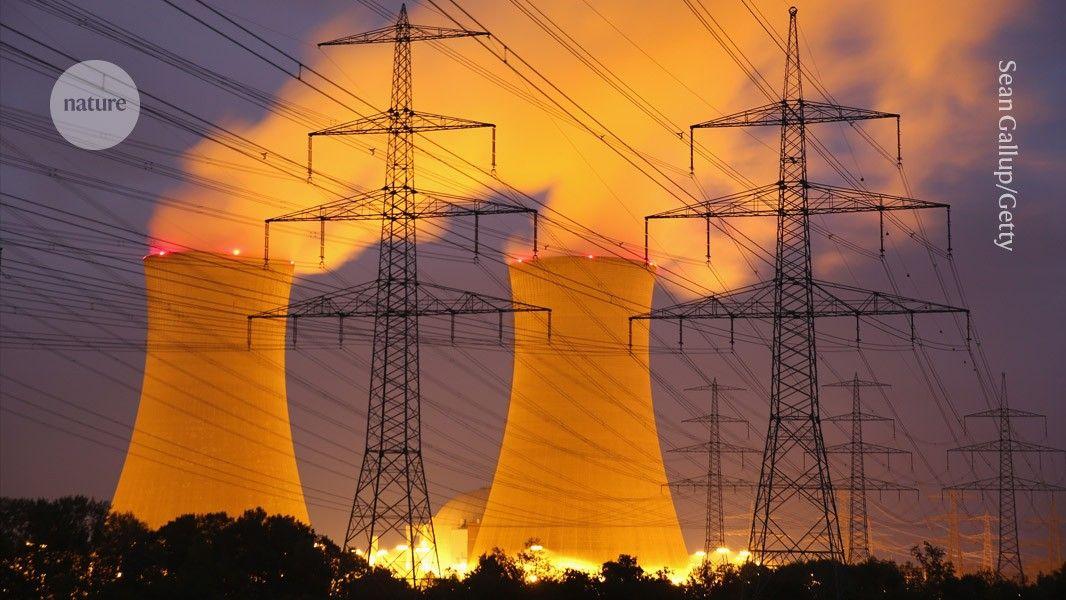
Nvidia AI Emissions Surge 725% Since 2020, Now Match Russian Coal Giant's Output
24 Sept 2026•Policy and Regulation

Recent Highlights



Recent Highlights
Today's Top Stories






Don’t drown in AI news. We cut through the noise - filtering, ranking and summarizing the most important AI news, breakthroughs and research daily. Follow topics that matter to you and stay ahead.


