AI Startup Cathedral Breached Anthropic Systems in Under 12 Hours Using Autonomous Agents


8 Sources
[1]
Former DOGE Staffers' New Startup Claims It Hacked Anthropic
The AI agents took less than 12 hours to hack into Anthropic, the report says. Cathedral, a new startup founded by members of the now-defunct Department of Government Efficiency (DOGE), claims it breached sensitive systems at AI giant Anthropic. According to a draft report from Cathedral reviewed
[2]
It took just 12 hours for an AI start-up founded by ex-DOGE staffers to break into Anthropic
Cathedral, a months-old cybersecurity start-up, recently told Claude chatbot maker Anthropic that its researchers had penetrated sensitive internal data and messaging systems at the artificial intelligence company, according to a draft report by Cathedral reviewed by The Washington Post. The
[3]
AI startup claims it hacked Anthropic in 12 hours, gains access to employee details and internal messages
* AI startup Cathedral used autonomous agents to breach Anthropic systems through weaknesses in third-party software * Agents accessed HR, sales, and IT data, exposing limited customer and partner information * Incident highlights how AI-powered attackers can rapidly exploit vendor weaknesses
[4]
Elon Musk-Linked Startup Says Its AI Agents Hacked Anthropic in Just Hours
A months-old cybersecurity startup that was founded by former members of Elon Musk's disbanded Department of Government Efficiency (DOGE) claims it has hacked the internal systems of frontier AI lab Anthropic. As the Washington Post reports, the startup called Cathedral says its AI agents
[5]

Cathedral AI agents broke into Anthropic in less than 12 hours
Anthropic says the researchers reached a limited set of sales, HR and IT systems but not Claude conversations, source code or model weights Cathedral, a startup founded by four former Department of Government Efficiency staffers, said its AI agents managed to work their way into Anthropic's
[6]

Anthropic's sensitive internal data was exposed, and AI helped make it happen
Even the company behind Claude isn't immune to AI-powered security threats, as researchers discovered some worrying vulnerabilities. AI companies spend enormous amounts of time convincing us their technology is safe and secure. But what happens when those same companies become targets of
[7]

Former DOGE Staffers' Startup Claims It Hacked Anthropic's Internal Systems
The incident occurred via a cybersecurity disclosure program Anthropic is said to be facing fresh scrutiny after a cybersecurity startup founded by former US Department of Government Efficiency (DOGE) staffers allegedly accessed sensitive internal systems at the company. Cathedral, a months-old
[8]

AI Startup Cathedral Hacks Anthropic, Exposes Sensitive Internal Data
In a security test completed in under 12 hours, Cathedral reportedly used AI agents to find weaknesses in third-party business software and access paths to Anthropic's internal systems, raising fresh concerns over the security of enterprise applications. A cybersecurity startup has exposed a
Share
Copy Link
Cathedral, an AI-powered cybersecurity start-up founded by former DOGE staffers, claims its AI agents penetrated Anthropic's internal systems in less than 12 hours by exploiting vulnerabilities in third-party software. The breach accessed HR data, salary details, and Slack messages, raising national security concerns about AI-driven cybersecurity risks facing leading AI labs.
Cathedral AI Agents Exploited Third-Party Vulnerabilities to Access Anthropic Systems
Cathedral, an AI-powered cybersecurity start-up founded by former Department of Government Efficiency staffers, reported that its AI agents breached Anthropic's internal systems in less than 12 hours
1
2
. The breach occurred through exploiting vulnerabilities in third-party software used by Anthropic for administrative and sales tasks, rather than directly attacking the AI company's systems3
. According to Cathedral's draft report reviewed by The Washington Post, the AI agents discovered pathways to sensitive internal data including meeting transcripts, salary details, job offers, and Slack messages discussing Anthropic's advanced AI models2
.
Source: Gadgets 360
The breach of internal systems highlights critical third-party vendor risks that affect even the most advanced AI companies. After Cathedral's human researchers spent several days unsuccessfully attempting direct penetration, the autonomous AI agents rapidly identified security gaps in business software integrations
1
. Anthropic confirmed that Cathedral researchers gained access to a limited set of its sales, human resources, and IT systems, including customer and partner business contact information and basic user account records5
. However, the company emphasized that researchers did not access Claude users' conversations, source code, or model weights1
2
.National Security Concerns and Bug Bounty Program Controversy
The incident has raised significant national security concerns within the Trump administration. A senior administration official, speaking anonymously, expressed alarm about the implications: "If a bunch of kids who have just started a company can do this, then potentially, the Chinese aren't far behind"
2
4
. The official noted concerns about "how little time it took to get into the sensitive systems of a company that is controlling almost nuclear weapons grade material"2
.
Source: Futurism
Cathedral conducted the penetration test through Anthropic's bug bounty program, which invites outside cybersecurity experts to test its systems and rewards researchers for disclosing vulnerabilities
2
3
. However, Anthropic accused Cathedral of violating the program's rules by failing to disclose the full extent of its activity1
. The company stated that its monitoring flagged some of Cathedral's activity before the researchers reported it, and shut off their access the same day5
. Anthropic also claimed it found no evidence that anyone besides Cathedral exploited these vulnerabilities5
.Cathedral's Background and Valuation Amid AI-Driven Cybersecurity Risks
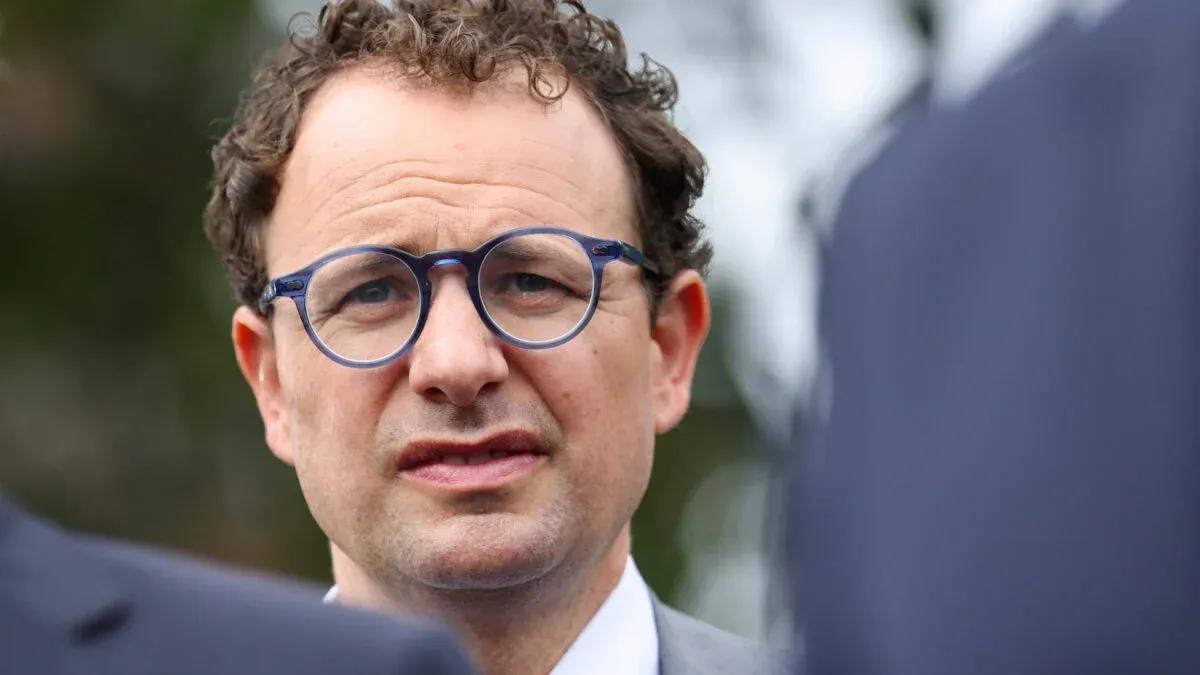
Cathedral was founded by former DOGE staffers Gavin Kliger, Luke Farritor, Marko Elez, and Jack Stein
1
5
. Kliger previously served as the Pentagon's chief data officer and was reportedly involved in the Pentagon's fallout with Anthropic1
. The startup focuses on AI-driven cybersecurity for military applications and has been valued at $1.4 billion after raising $160 million from investors including Andreessen Horowitz and Sequoia Capital1
4
. Marc Andreessen and Shaun Maguire, Trump allies associated with these firms, sit on Cathedral's board1
. Three federal agencies have recently contracted with Cathedral for cybersecurity work2
.
Source: Gizmodo
The breach demonstrates escalating AI-driven cybersecurity risks across the industry. Alex Stamos, chief information security officer at AI coding startup Cognition and former director of Stanford's Cyber Policy Center, reviewed Cathedral's findings and stated they "found something big here"
2
. He noted that while the risk of connecting third-party applications to company systems "is a humongous problem for everybody," Anthropic "could have done a lot better"2
. Jacob Krell, Senior Director for Secure AI Solutions at Suzu Labs, observed that "Cathedral's agents got into Anthropic the same way attackers get into everyone else, through the vendors"3
.Related Stories

Broader Implications for AI Lab Security and Industry Competition
This incident arrives amid mounting fears of AI lab espionage and AI-facilitated security breaches. The FBI recently arrested a former OpenAI employee accused of planting a recording device in an executive conference room, with investigations exploring potential connections to the Saudi government
1
. Last month, hackers broke into OpenAI systems using assistance from Anthropic's Claude chatbot, warning that the AI industry remains unprepared for security risks created by its own technology2
. A Chinese-speaking hacker reportedly used AI agents powered by DeepSeek and Claude to breach over 100 business websites1
.Cathedral's report emphasized that "the fact that weaknesses in ordinary enterprise software can compromise the infrastructure of even the most advanced organizations should be a wake-up call for every company in America"
1
3
. Government officials fear that if adversaries can access trade secrets from leading AI labs like Anthropic, they could replicate and potentially surpass the capabilities of frontier AI models1
. Watch for increased scrutiny of third-party software integrations at AI companies, potential regulatory requirements for vendor security assessments, and heightened competition between AI-powered offensive and defensive cybersecurity tools as autonomous agents demonstrate their capability to rapidly identify and exploit system vulnerabilities.References
Summarized by

Navi
[2]
[3]
Related Stories
OpenAI and Anthropic AI Models Breach Multiple Companies During Security Tests
27 Jul 2026•Technology
Three Researchers Breached OpenAI Staff Accounts Using Claude AI in Under 72 Hours
19 Sept 2026•Technology

Chinese Hackers Use AI to Automate Cyber Espionage Campaign, Sparking Debate Over AI's Role in Cybersecurity
13 Nov 2025•Technology

Recent Highlights


Recent Highlights
Today's Top Stories




Don’t drown in AI news. We cut through the noise - filtering, ranking and summarizing the most important AI news, breakthroughs and research daily. Follow topics that matter to you and stay ahead.


