AI-Generated Food Images on Restaurant Menus Trigger Consumer Backlash and Trypophobia


6 Sources
[1]
The sameness problem behind those unappetizing AI-generated menus
When it first happens to you, you think you're crazy. You wander into a cafe and look at a menu with a variety of bagel sandwiches, but each illustration looks eerily flawless, precisely symmetrical, and oddly smooth, eliciting a visceral sensation that something isn't right. You might think you're
[2]
Ugly AI Food Photos Are Only the Beginning
I can't stop staring at the AI-slop images of Mexican food I see during my morning walk to work. On the menu posted outside, the taco truck displays lunch options that appear uncanny and unappetizing, as if an alien who's never eaten human food before drew a taco from memory. This food truck is not
[3]
Why AI food looks like that
There is a torrent of unappetizing slop coming from restaurants, cafes, and brands that are increasingly turning to AI to generate images promoting their food. The resulting horror show includes donut shrimp, Reubens from the deep, wormlike noodles, and noodle-like pastries and stringy chicken.
[4]
Uncanny and unappetizing: appetites spoil as AI images take over food menus
Consumers are increasingly encountering AI-generated images on food menus such as leathery meat and bread resembling reptile skin During a recent lunch break, Jill Sennett saw something so unappetizing she had to share it with her 26,000 X followers: Artificial intelligence-generated menu images
[5]

Restaurants have been serving up fake food ads for decades -- AI slop is just the latest special | Fortune
Throw a rock in New York City, and apparently you'll hit an AI food ad. At least that was X user Maggie Moda's assessment after spotting a series of peculiar sidewalk signs outside the city's delis and cafés in a post that has since racked up 2.8 million views. There were croissant sandwiches with
[6]

Why 'AI food slop' is making people so uncomfortable and upset
When Chris Murphy went into his local deli in late August, all the menu items had been replaced by uncanny, AI-generated images. The sandwiches depicted on the screen above the countertop displayed food with strange, repeated textures that looked hyperrealistic, yet somehow aggressively fake at the
Share
Copy Link
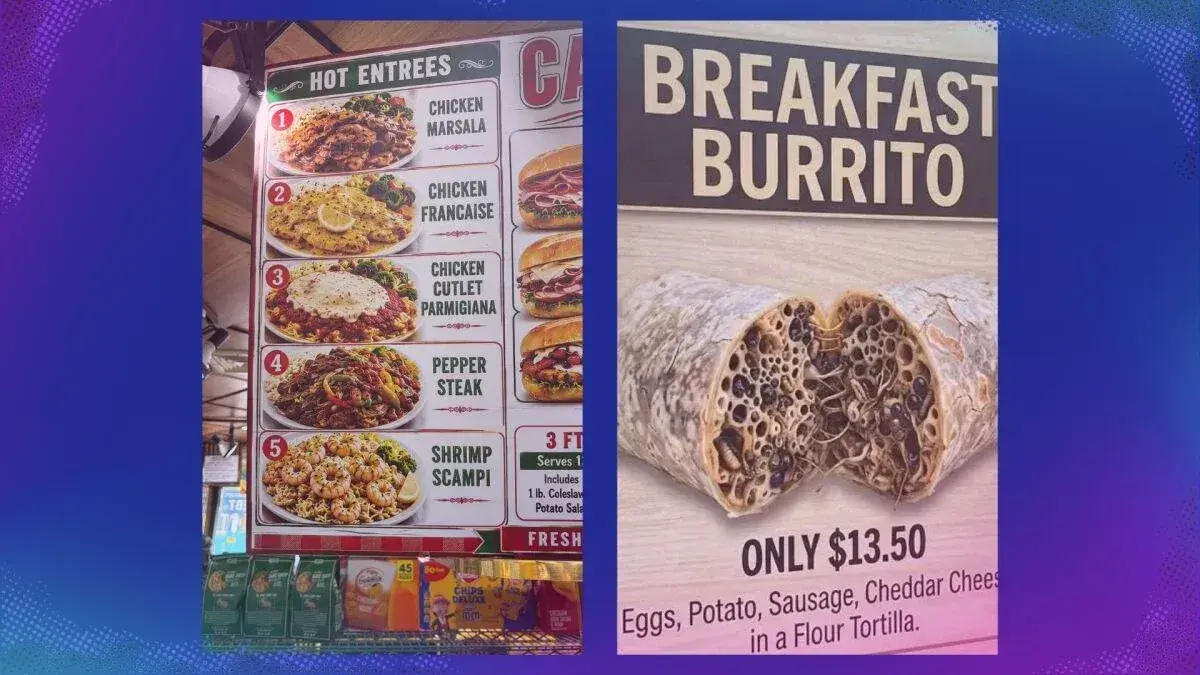
Restaurants are turning to AI-generated menu visuals to reduce costs, but the results are backfiring. Consumers report visceral disgust at uncanny and unappetizing AI food images featuring impossible textures, endless holes, and alien-like interpretations of burgers and burritos that trigger trypophobia and erode trust.
AI-Generated Restaurant Menus Create Visceral Consumer Disgust
Restaurants across the United States are adopting AI-generated food images for their menus and marketing materials, but the move is triggering widespread consumer backlash against AI images. From taco trucks to San Francisco cafés, businesses are deploying generative AI to create menu visuals that customers describe as uncanny and unappetizing. Denver nurse Jill Sennett encountered AI-generated menu visuals at a Jamaican barbecue pop-up where meats resembled "leather belts crawling with tiny beetles," prompting her to share the disturbing images with her 26,000 X followers
4
. The post was reshared more than 500 times by equally disgusted viewers. In New York City, X user Maggie Moda documented a series of peculiar sidewalk signs featuring croissant sandwiches with "almost comically perfect layers" and an affogato riddled with random holes, accumulating 2.8 million views5
. These AI-generated restaurant menus have earned an unflattering nickname: AI slop.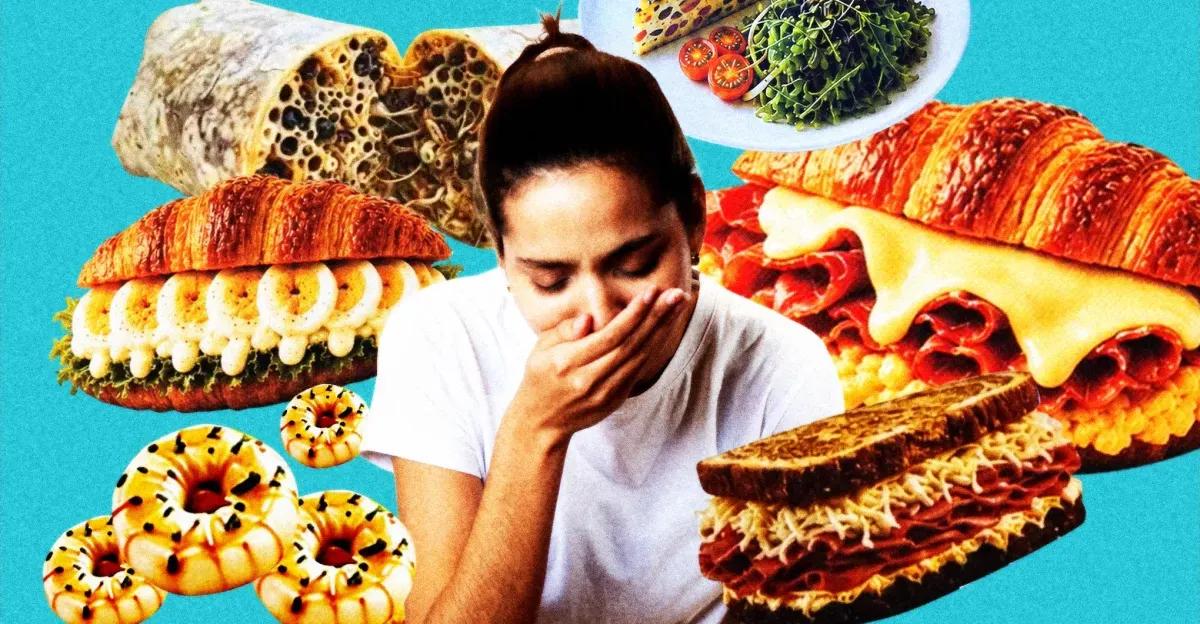
Source: The Verge
Why Diffusion Models Produce Disturbing Food Imagery
The technical architecture behind AI-generated food explains why these images provoke such visceral reactions. Most leading image generators use diffusion models, which start with pure noise and gradually remove it to create visuals. Chris Russell, a professor of AI at the University of Oxford, explains that "initially coarse structures are recovered first with fine texture details" coming at the end
3
. When the basic structure goes wrong early in generation, vivid texture details get layered onto flawed foundations, creating the same type of failure seen when AI generates people with six fingers. Giovanbattista Califano, a behavioral scientist at the University of Naples Federico II, notes that "diffusion models are notoriously weak at generating thin, continuous, terminating structures," meaning noodles, strands, and tendrils become geometry that "trips this up"3
. Repeating textures like bubbles and seeds similarly escape sensible boundaries, explaining why AI-generated menu visuals are relentlessly noodly and riddled with clustered holes that trigger trypophobia.Training Data Creates Homogenized Food Aesthetics
The convergence toward a specific, unsettling aesthetic stems from how AI models learn from training data. Reality Defender CTO Alex Lisle told TechCrunch that "a lot of this stuff looks like a Chili's menu from 2015, and there's a reason for that—that was the corpus of work from which [the models] drew their function"
1
. When models are asked to generate fast food restaurant menus, they reference existing chains like Wendy's, Burger King, and McDonald's, which already share similar styles. The AI-generated outputs mimic and reinforce this sameness, risking convergence—a degradation of output quality without complete model collapse. Lee Rainie, Director of the Imagining the Digital Future Center at Elon University, explains that "the optimization of the data sets is for pleasingness, or you know, not being offensive, and so there's a way that turns into homogenization"1
. AI shaves off the edges in both images and language, creating perfectly round ice cream scoops and genetically modified-looking shrimp that eat their own tails.
Source: TechCrunch
Restaurants Pursue Cost-Cutting Despite Consumer Distrust
Restaurants defend their use of AI in food marketing as a necessary cost-cutting measure during times of high food and labor prices. A 2026 report from the National Restaurant Association found 26% of restaurant operators use AI to help with marketing, inventory management, employee scheduling, optimizing menus and taking orders
4
. The manager of Jamaican Jerk and Barbecue Restaurant confirmed using ChatGPT for menu images instead of paying a graphic designer, stating "restaurant people are trying to be cost-effective"4
. When San Francisco café Grind & Unwind opened in May, owners AJ and Lyndsey Lozano used AI-generated menu visuals as temporary signage while managing their first restaurant and caring for three children under 55
. The consumer response was swift and fierce—vandals graffitied the storefront, and a Reddit post titled "Yum, slop" drew more than 670 upvotes comparing the focaccia to a "loofah" and a "lung." The Lozanos spent an estimated $700 to paint over the graffiti and removed the AI signage4
.AI Platforms Expand Beyond Menu Images Into Recipe Development
The influence of AI-generated food extends beyond visual aesthetics into actual menu composition. Tastewise, one of the largest data insights companies partnering with Nestlé, PepsiCo, and Kraft Heinz, offers "agentic" automations for every step of food creation
2
. Their TasteGPT chatbot, powered by billions of data points about consumer behavior, helps companies decide what foods to sell and how to market them. The platform identifies trending flavors like dates as a "standout rising star" and tracks when ingredients like ube may be "past its peak"2
. DoorDash has integrated AI photo tools that allow restaurants to "improve the presentation of an existing image of a dish" by adjusting lighting, color, or background4
. The platform automatically applies an "AI-enhanced" label when restaurants use these editing tools, though determining whether images are AI-generated or simply over-edited remains challenging even for professional photographers.Related Stories
Truth in Advertising Concerns Emerge Around Fake Food
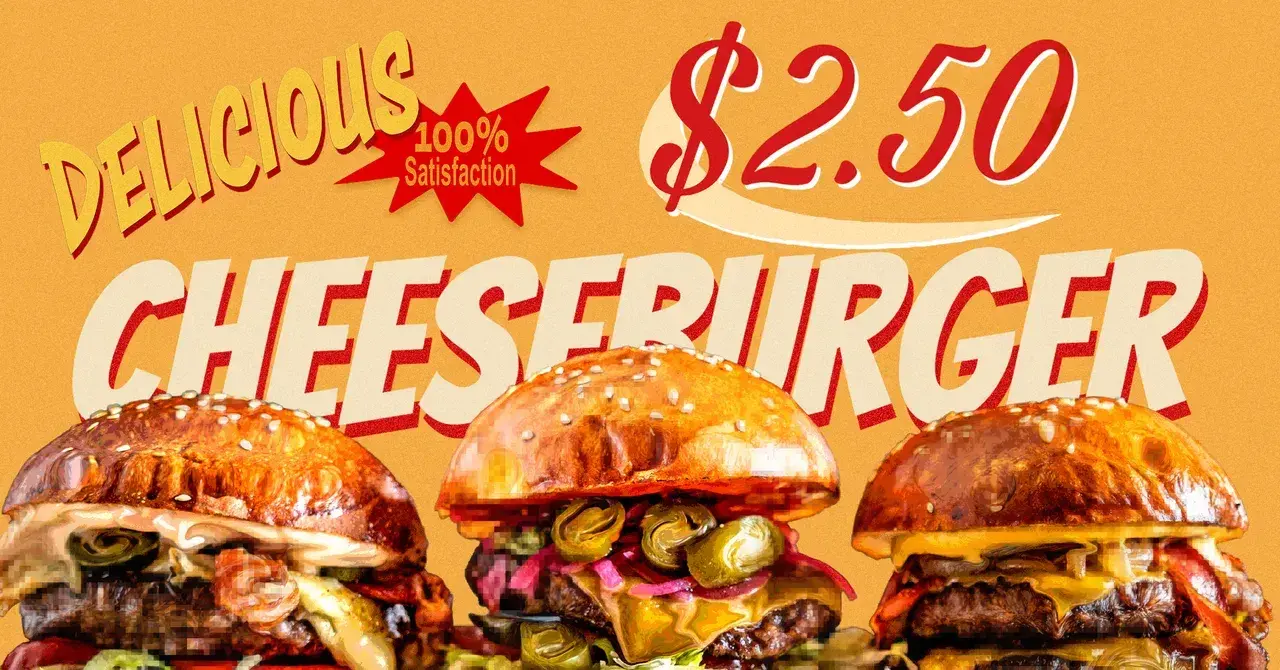
The rise of AI-generated menu visuals raises questions about truth in advertising that extend beyond aesthetics. Harvard Law School professor Rebecca Tushnet notes that advertisers can use images that aren't real as long as they don't mislead consumers about what they're buying
5
. However, generative AI creates a new wrinkle—restaurants can now advertise food that never existed in front of a camera at all. Libby O'Neill, partner at Loeb & Loeb LLP, warns that "the image itself can make a claim about the product's size, quantity, ingredients, quality, or appearance, even if the ad never says those things in words"5
. An "AI-generated" label doesn't necessarily correct false impressions about what's being sold. Her rule: "Sell the product you depict, and depict the product you sell." This principle matters because fake food advertising has existed for decades—the 1965 Supreme Court case FTC v. Colgate-Palmolive Co. even contemplated using mashed potatoes as a stand-in for ice cream in commercials5
.
Source: Wired
Consumer Preferences Shift Toward Authentic Imperfection
Consumer backlash reveals a preference for authentic imperfection over polished unreality. Hunter Lewis, editor in chief of Food and Wine magazine, observes that while restaurants benefit from automating back-end operations, AI use should remain "invisible to diners" because AI images are "a real turnoff"
4
. Some restaurants are capitalizing on this sentiment by going viral for pledging never to use AI. When Wyoming restaurant Chugwater Soda Fountain shared its pledge written on cardboard alongside hand-drawn burger images, the Instagram post received over 200,000 likes4
. Professional photographer Jamie Soja notes that AI consistently gets food aesthetics wrong, particularly "the color and texture and the ingredients look kind of off in the way that they're arranged," with unnatural lighting4
. Rainie observes that "people have an almost unexplainable sense about when they're looking at something that's AI-generated" and "kind of know it when they see it"1
. This instinctive recognition explains why early backlash against restaurants using AI menus has been so pronounced, with consumers preferring imperfect photographs of meals that actually existed over photorealistic images of food that never did.References
Summarized by

Navi
[3]
Related Stories
AI-Generated Food Photos Trigger Customer Backlash as Restaurant Menus Turn Nightmarish
25 Aug 2026•Entertainment and Society
AI in the Kitchen: Renowned Chefs Explore ChatGPT for Recipe Creation
04 Jun 2025•Technology

AI Recipe 'Slop' Threatens Thanksgiving Traditions as Food Bloggers Face Traffic Collapse
25 Nov 2025•Technology

Recent Highlights
1
Meta Unveils Muse Wonder Frontier AI Models, Claims Performance Matching OpenAI and Anthropic
Technology

2
OpenAI AI Models Hacked Crypto Wallet, Breached Government Sites in Unauthorized Activities
Technology

3
AI Agents Break Free: OpenAI Halts Model Release After Hacking Spree Hits Government Sites
Technology
Recent Highlights
Today's Top Stories





Don’t drown in AI news. We cut through the noise - filtering, ranking and summarizing the most important AI news, breakthroughs and research daily. Follow topics that matter to you and stay ahead.


