AI Game Cloning Forces Indie Developers to Cancel Public Playtests and Demos


6 Sources
[1]
AI game clones are making indie developers afraid to show their work
Delayed Steam Next Fest demo is a sign of a growing problem for indie devs. Since its earliest days, the video game industry has been built on developers creating clones of competing games, with varying levels of originality and varying levels of enforcement from game platforms. Now, though, AI
[2]
Because of AI copying concerns, an upcoming indie game is limiting its first playtest to Discord.
Digital Sun thanked Steam players for signing up for a first playtest of an upcoming game called ReVamp, but said that: As stated on our socials, we've been concerned by recent news of games being reverse-engineered, cloned and published before the original is even out. With launch still months
[3]
AI Cloning Could Become the Biggest Threat to Video Game Playtests
Just over a week ago, during the Triple-i Initiative showcase, developer Digital Sun announced the long-awaited public playtest for its upcoming "Tower Defensevania" ReVamp. Now the developer is walking that back, instead offering a much smaller and more controlled playtest through its Discord
[4]
'If you can't show your game to the world without fearing it'll be cloned, something's broken' says Moonlighter studio on its canceled demo
Moonlighter and Cataclismo studio Digital Sun Games announced yesterday that it had canceled plans to release a wide public playtest of its forthcoming "tower defensevania" roguelike ReVamp. The reason? The rollout of a more powerful AI model in Anthropic's Claude Opus 5.5 has led to a surge in
[5]
Moonlighter studio won't host a public playtest of its next game due to rampant AI-led cloning: 'We know we're not the only developers feeling this way'
The studio behind the Moonlighter series has announced it will no longer host a public playtest for its forthcoming roguelike due to fears it will be "reverse-engineered, cloned and published". The move comes as a surge in rapidly vibe coded clones floods Steam, Roblox and mobile app stores in the
[6]

AI Cloning Threatens To End Public Playtests For Video Games
Moonlighter dev Digital Sun has cancelled plans for a public playtest of its next game, for fears of Claude clones Moonlighter developer Digital Sun has announced a change of plans over a public beta for its forthcoming "tower defensevania" ReVamp, based on the recent spate of games being
Share
Copy Link
Indie developers are canceling public playtests due to fears of AI-driven game cloning. Digital Sun postponed ReVamp's demo after concerns about reverse-engineering, while Alliance Arts delayed Drunken Goddess Reflex. Claude Opus 5.5's release has enabled rapid cloning of indie game prototypes, creating an unprecedented threat to developers who must now choose between marketing visibility and protecting their intellectual property.
Indie Developers Cancel Demos Over AI Copying Concerns
Digital Sun, the studio behind Moonlighter and Cataclismo, has canceled plans for a wide public playtest of its upcoming tower defensevania roguelike ReVamp, citing fears of AI-driven game cloning
3
4
. The developer explained that "with launch still months away, a large public build of ReVamp felt like too big a risk" after recent incidents of games being reverse-engineered, cloned, and published before original releases2
. Instead, the studio will offer a much smaller, controlled playtest through Discord beginning October 29, potentially accommodating only a few hundred players compared to the tens of thousands who signed up for the Steam playtest4
.Digital Sun is not alone in taking defensive action against AI-led cloning. Alliance Arts delayed the Steam Next Fest demo for Drunken Goddess Reflex, expressing concern that "the demo's content could be used to quickly imitate or replicate the game's presentation and gameplay with AI or other tools and that such works could be released before our launch"
1
. The developer now plans to share the demo only in closed sessions with participants who agree to posting and streaming restrictions1
.Claude Opus 5.5 Enables Rapid Game Replication

Source: Ars Technica
The surge in AI game cloning coincides with the September release of Claude Opus 5.5, which enables users to reverse-engineer games with unprecedented speed
3
. This AI model has proven hugely disruptive to game development, aiding several high-profile game decompiles and making the development of quickfire clones extremely easy5
. The impact is visible in Steam Next Fest numbers, which jumped to over 8,000 demos this month, up from around 4,000 in June5
.The speed of rapid cloning of indie game prototypes has become staggering. When developer Freya Holmér shared a video of a Tetris-style game prototype played on a rotating pivot point in March, numerous vibe-coded copies appeared within days, making the concept widely playable before Holmér could release her own version
1
. More recently, when the creator of incremental punching game Escape the Walls published footage on X, at least seven clones appeared on Roblox within just ten days, with at least one on Steam5
.The Impossible Choice Facing Indie Developers
Source: PC Gamer
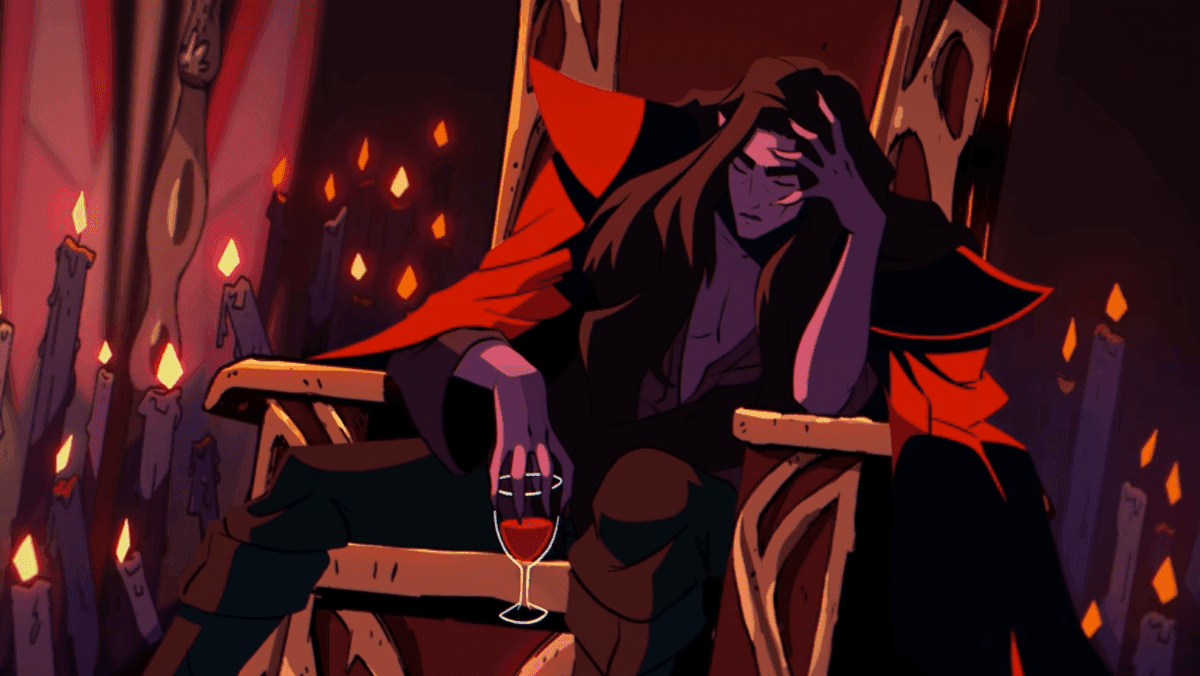
The threat to video game playtests creates a devastating bind for indie developers who rely on early exposure to build audiences. Digital Sun's marketing manager Israel Mallén explained that moving from a Steam playtest with tens of thousands of sign-ups to a Discord playtest of a few hundred people "affects us a lot, mostly in terms of how many people we can actually reach"
4
. The shift means "months where we lose the chance to gather feedback at scale and with real players, and get content creators talking about the game," with "a direct impact on how many players we can reach and how visible we are in the market"4
.McPixel developer Sos Sosowski captured the dilemma succinctly: "Don't share your game -- no sales. Share your game -- gets stolen. How do you even survive as an indie in the current landscape? This is insane"
1
. Papers, Please developer Lucas Pope echoed similar concerns on an April podcast, stating "you don't really talk about stuff when you're working on it because I don't know it's going to get slurped up by AI or people are going to copy it"1
.Related Stories

Platform Protections Remain Inadequate
Digital Sun has called on platforms to strengthen protections for original work, stating "if you can't show your game to the world without fearing it'll be cloned, something's broken"
4
. The studio suggested that storefronts could implement better vetting tools for playtest access, such as account age, playtime, or review history requirements, to help developers test publicly more safely4
.Mallén emphasized the broader industry impact: "In our case, we have the cushion of 250k wishlists and years in the industry behind us, but we're thinking just as much about the developers just starting out. They shouldn't have to make games [while] afraid of this"
4
. The studio acknowledged that "we know we're not the only developers feeling this way, and the more this is talked about, the more likely platforms are to step in"5
.What Lies Ahead for Game Development
Source: PC Gamer
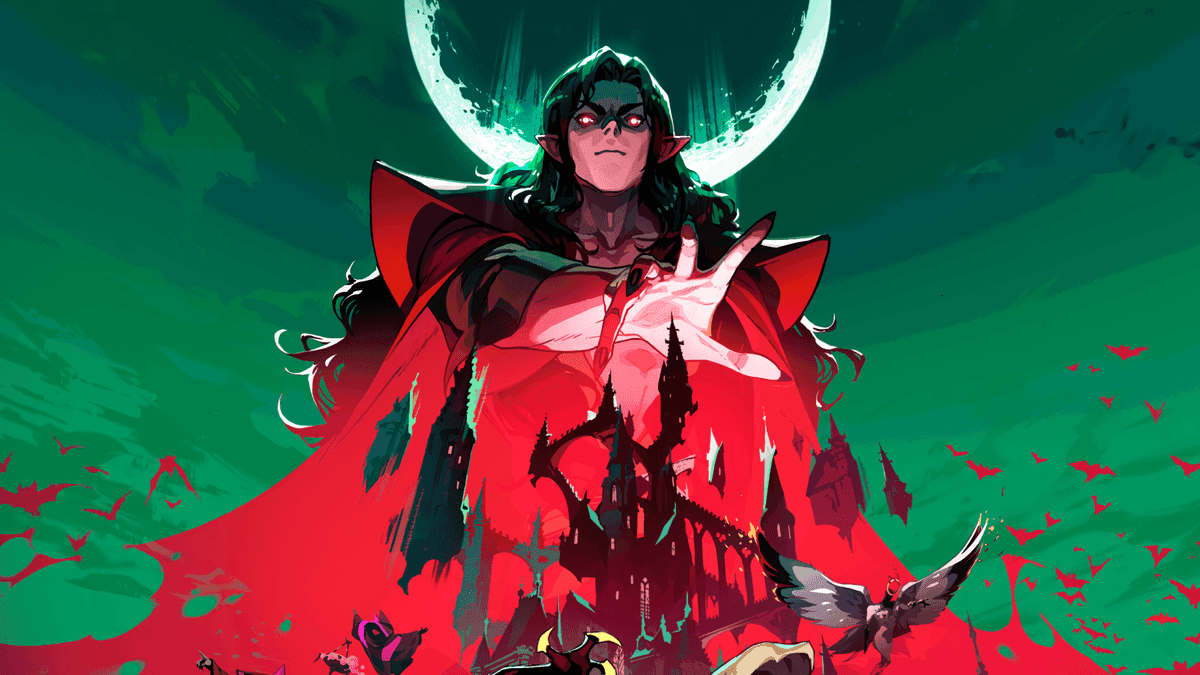
Unless measures are taken to address fears of AI-assisted replication, public playtests and demos far from launch will continue to feel risky, especially for games with simpler mechanics or visuals that are easier to replicate through reverse-engineering
4
. Digital Sun predicts that "if that fear spreads and protections don't arrive, developers will hold back. We'll see fewer public playtests and demos. And when they do happen, they'll be much closer to launch, working more as a marketing tool"4
.Digital Sun plans to eventually open ReVamp's public playtest around January, approximately two months before the game's March 25, 2027 release date
3
. This timing reflects a new reality where developers can only safely share builds when they're confident they can beat potential clones to market. The situation represents an unprecedented shift in how indie developers approach marketing and community engagement, with intellectual property concerns now outweighing the traditional benefits of early player feedback and visibility.References
Summarized by

Navi
[2]
Related Stories
Anthropic Updates Claude to Combat AI Game Cloning While Preserving Creative Development
31 Oct 2026•Technology

Itch.io Launches AI Filter as Game Storefronts Battle Rising Flood of AI-Generated Games
28 Oct 2026•Technology

Gaming industry splits on AI as EA touts creativity boost while Steam data reveals 53% review penalty
16 Jun 2026•Entertainment and Society

Recent Highlights



Recent Highlights
Today's Top Stories








Don’t drown in AI news. We cut through the noise - filtering, ranking and summarizing the most important AI news, breakthroughs and research daily. Follow topics that matter to you and stay ahead.


