AI-Generated Alternate Endings: Fans Reimagine 'Squid Game' Finale with Google's Veo 3


2 Sources
[1]
People Hated the 'Squid Game' Ending, so They’re Using AI to Make New Ones
Pissing people off with your series finale is practically a rite of passage for beloved TV shows at this point. Just ask fans of The Sopranos, or Dexter, or Game of Thrones. And if you're feeling butt hurt by your favorite TV show's subpar ending, you may be tempted to imagine a whole new oneâ€"an
[2]
AI slop artists are redoing the 'Squid Game' series finale
Was the series finale of the hit South Korean Netflix show Squid Game a good one? Depending on who you ask, not really. Judging by the endless online chatter, many viewers found the ending unsatisfying -- not necessarily because it didn't tie up loose ends (although it arguably did not), but
Share
Copy Link
Dissatisfied fans of 'Squid Game' are using AI video generation tools like Google's Veo 3 to create alternative endings, sparking discussions about the future of storytelling and audience interaction with media.
Squid Game's Controversial Finale Sparks AI-Generated Alternatives
The recent conclusion of the popular South Korean Netflix series "Squid Game" has left many viewers dissatisfied, prompting an unexpected response: fans are turning to artificial intelligence to create their own alternative endings. This trend has emerged following the release of the show's third and final season, which has received mixed reactions from its audience
1
2
.
Source: Gizmodo
The Power of AI in Reimagining Narratives
At the forefront of this trend is Google's Veo 3, an AI-powered video generation tool. Fans are using this technology to visualize and share their own versions of how the series could have ended. These AI-generated alternatives range from comical to disturbing, with scenarios including Player 456 battling a CGI baby with a knife, kicking the baby into an abyss, or even Player 222's baby growing up
1
.The ease with which these AI-generated endings can be created and shared on platforms like Instagram and TikTok demonstrates the growing accessibility of AI tools for creative content manipulation. This phenomenon raises questions about the future of storytelling and the potential for audience interaction with media
2
.The Complexity of AI-Generated Content
While these AI-generated endings may seem simple at first glance, the process of creating high-quality AI-generated videos is more complex than it appears. PJ Ace, who recently produced an AI-generated commercial that aired during the NBA finals, revealed that his 30-second ad required between 300 to 400 generations with Veo 3
1
.This insight highlights the current limitations of AI in content creation and the significant human input still required to produce polished results. However, it also suggests the potential for rapid advancement in this technology, which could lead to more sophisticated and realistic AI-generated content in the future.
Related Stories

Implications for the Future of Entertainment
The trend of AI-generated alternative endings for "Squid Game" represents more than just fan dissatisfaction with a series finale. It points to a potential future where audiences have unprecedented power to reshape and interact with the stories they consume
2
.This development raises intriguing questions about the nature of storytelling in the age of AI:
- How might the relationship between creators and audiences evolve?
- What are the implications for intellectual property and creative control?
- Could this trend lead to more interactive or personalized forms of entertainment?
Ethical and Creative Considerations
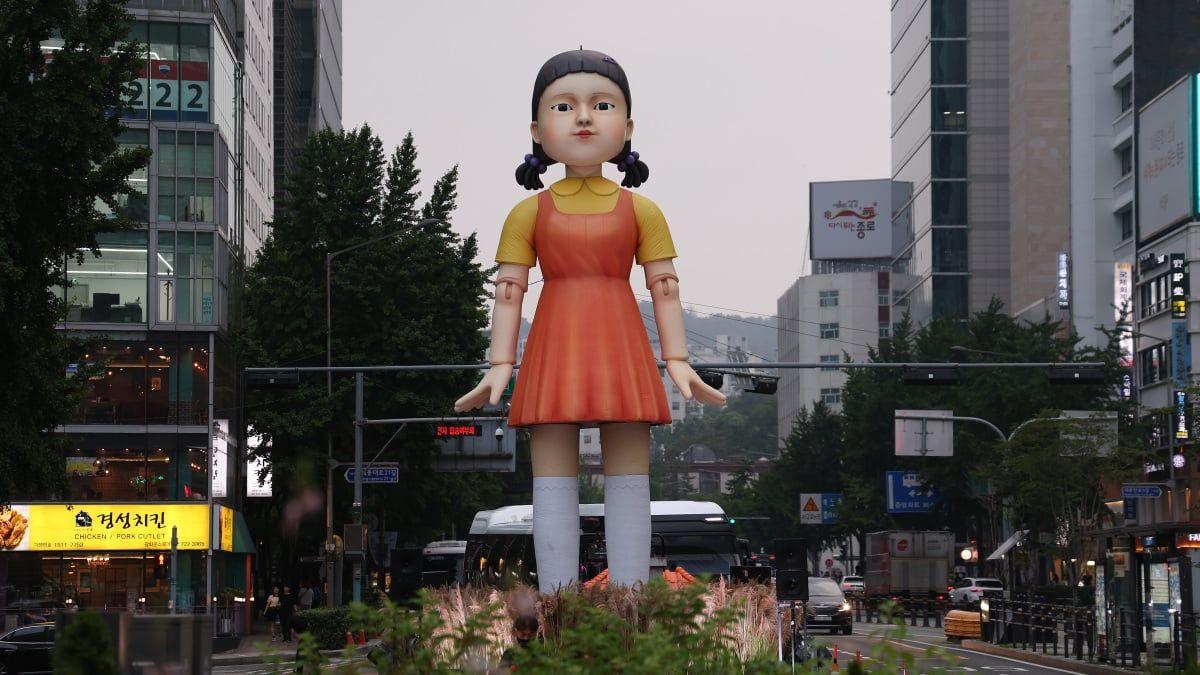
Source: Mashable
While the ability to "fix" or reimagine stories using AI may be exciting for some, it also raises concerns. There's a debate to be had about the value of preserving a creator's original vision, even when it leaves viewers unsettled or dissatisfied
2
.Moreover, the use of AI to alter narratives could potentially undermine the artistic integrity of works that are intentionally designed to provoke thought or discomfort. This is particularly relevant in the case of "Squid Game," a series that has been praised for its sharp critique of capitalism and social inequality
2
.As AI technology continues to advance and become more accessible, it's clear that the entertainment industry and audiences alike will need to grapple with these new possibilities and their implications for the future of storytelling.
References
Summarized by

Navi
Related Stories
Stranger Things fans accuse Duffer Brothers of using ChatGPT after viral screenshot surfaces
14 Jan 2026•Entertainment and Society
Netflix's Pioneering Use of Generative AI in "El Eternauta" Sparks Industry Debate
28 Jul 2025•Technology

Amazon AI fund greenlights three shows, but one gets canceled after intense backlash
27 May 2026•Entertainment and Society
Recent Highlights



Recent Highlights
Today's Top Stories



Don’t drown in AI news. We cut through the noise - filtering, ranking and summarizing the most important AI news, breakthroughs and research daily. Follow topics that matter to you and stay ahead.


