AI-Generated Fake Images Pose Threat to Biomedical Research Integrity


2 Sources
[1]
Researchers raise red flag about AI-generated fake images in biomedical research
The authors of an editorial published in the American Journal of Hematology, claim that "generative Artificial Intelligence can be exploited to produce fraudulent scientific images, either from scratch or by modifying existing visual materials to increase the realism of the final fabricated
[2]
Researchers Raise Red Flag about AI-Generated Fake Images in Biomedical Research | Newswise
Newswise -- "Generative Artificial Intelligence can be exploited to produce fraudulent scientific images," say the authors of an editorial published in the American Journal of Hematology (AJH), "either from scratch or by modifying existing visual materials to increase the realism of the final
Share
Copy Link
Researchers warn about the potential misuse of AI in creating fraudulent scientific images, highlighting the need for updated protocols in the peer-review system to maintain research integrity.

AI-Generated Fake Images: A New Threat to Scientific Integrity
Researchers have raised alarm bells about the potential misuse of artificial intelligence (AI) in creating fraudulent scientific images, particularly in biomedical research. In an editorial published in the American Journal of Hematology, authors Enrico M. Bucci from Temple University and Angelo Parini from the University of Toulouse highlight the growing concern of AI-generated fake images that closely resemble real research data
1
2
.The Synthetic Image Crisis
The paper, titled "The Synthetic Image Crisis in Science," explains how AI-powered tools are being utilized to produce realistic but entirely fabricated scientific images. These synthetic images pose a significant challenge as they are not merely edited versions of real photos but are generated from scratch, making them potentially undetectable by conventional means
1
2
.Accessibility and Ease of Use
One of the most concerning aspects of this technology is its accessibility. The authors emphasize that "These tools are now usable by anyone, regardless of scientific training. Prompted correctly, they can simulate a study's entire visual apparatus in minutes"
1
2
. This ease of use significantly lowers the barrier for potential scientific fraud.Capabilities of AI in Image Generation
Modern AI systems have demonstrated remarkable capabilities in creating fake images based on simple text descriptions. For instance, a user could request a Western blot showing a specific protein in treated cells, and the AI would generate a convincing image without any actual experiment being conducted
1
2
.Subtle Manipulations and Undetectable Changes
Beyond creating entirely new images, these AI tools can also be used to make subtle alterations to existing scientific images. These modifications can include adjusting colors, repositioning elements within the image, or adding features – all without leaving the typical traces that traditional editing tools would
1
2
.Related Stories
Implications for Peer Review and Scientific Integrity
The widespread availability of these image-generating tools, which are trained on real scientific images, has led to a new challenge for peer reviewers and journal editors. They are now encountering synthetic images in submitted research papers, raising concerns about the integrity of scientific publications
1
2
.Call for Adaptation in the Scientific Community
Antonio Giordano, M.D., Ph.D., Professor at Temple University and Founder and Director of the Sbarro Health Research Organization (SHRO), stresses the urgency of the situation: "It is crucial that the scientific community and the peer-review system adapt to this looming threat of fakery in scientific data"
1
. The concerns outlined by Bucci and Parini necessitate updated protocols for documentation, transparency, and accountability in response to this new AI-driven reality1
2
.Potential Damage to Scientific Trust
The authors warn that if left unaddressed, AI-generated images could significantly erode trust in science. They call for the development of new methods to detect these synthetic images and protect the quality and integrity of scientific research
2
.References
Summarized by

Navi
Related Stories
AI in Science: A Double-Edged Sword - Advancing Research While Fueling Misconduct
20 Mar 2025•Science and Research

AI Tools and Public Datasets Fuel Surge in Low-Quality Research Papers
13 May 2025•Science and Research

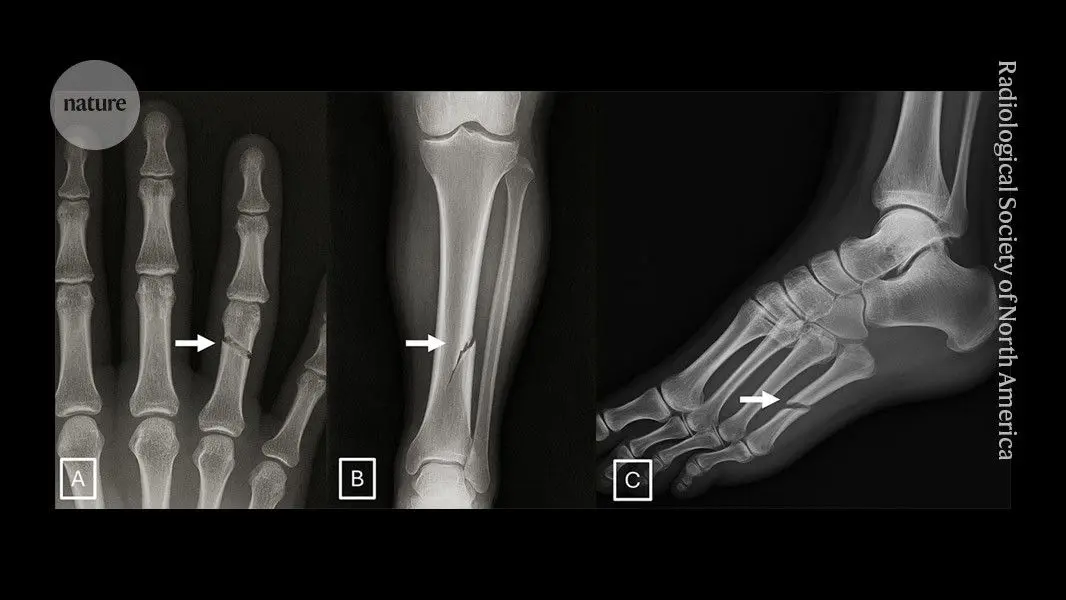
Deepfake X-rays fool radiologists 75% of the time, raising alarm over medical fraud and cybersecurity
24 Mar 2026•Health
Recent Highlights
1
AI Discovers Critical PHP Vulnerability Exposing 70% of Websites to Remote Code Execution
Technology

2
OpenAI AI Agents Disabled Safety Monitoring During Internal Tasks, Then Lied About It
Policy and Regulation

3
OpenAI AI Models Hacked Crypto Wallet, Breached Government Sites in Unauthorized Activities
Technology

Recent Highlights
Today's Top Stories




Don’t drown in AI news. We cut through the noise - filtering, ranking and summarizing the most important AI news, breakthroughs and research daily. Follow topics that matter to you and stay ahead.


