Generative AI is contaminating citizen science records with fake wildlife images


5 Sources
[1]
AI slop is faking rare bird sightings and hurting science
A rare bird turned up in central Brazil, or so it seemed. A photo on the wildlife platform iNaturalist showed a red-winged blackbird. That North American species had never turned up in that part of Brazil. It would have been a notable first. It was not real. The bird in the original photo was an
[2]
Can AI Ruin Something as Innocent as Birdwatching?
On the off chance that you're one of those rare people who starts a new week with a flush of optimism and goodwill toward all mankind, instead of a craving for caffeine and the last vestiges of a hangover, let me put things right. You may, for instance, find your early-week optimism extending to
[3]
Al-altered images on birdwatching forums putting research at risk
For many birdwatchers, recording a species outside its normal range is the holy grail. In the UK, the discoveries often make national headlinesThe western reef heron, for example, usually found in Africa and southern Europe, spotted in a seaside town in north Wales in June, which was widely
[4]
Scientists Warn Wildlife Photographers' AI-Enhanced Bird Photos Could Threaten Research
Scientists have warned that the increasing use of AI editing tools by wildlife photographers seeking the perfect image could threaten the reliability of bird research. According to a report by The Guardian, researchers are urging wildlife photographers to be cautious when using AI to edit images
[5]

Fabricated AI wildlife videos are fooling the public, researchers warn
AI-generated animal footage is racking up millions of views online, but researchers warn it is also distorting public understanding of wildlife behaviour and could be undermining support for conservation. Fabricated animal footage on social media is distorting conservation efforts and could be
Share
Copy Link
Scientists warn that AI-altered images and fake wildlife images are polluting databases like iNaturalist and Macaulay Library, which hold over 610 million records. A photo showing a rare red-winged blackbird in Brazil turned out to be an epaulet oriole enhanced by AI, illustrating how even well-intentioned edits can corrupt scientific data used to track species and climate change impacts.
Generative AI Corrupts Wildlife Records on Citizen Science Platforms
A seemingly remarkable discovery in central Brazil quickly unraveled into a cautionary tale about how generative AI is contaminating scientific data. What appeared to be a red-winged blackbird—a North American species never recorded in that region—was actually an epaulet oriole, a common local bird
1
. The photographer had simply asked an AI tool to make the image "look better," but the software rebuilt the bird, adding features from a different species entirely.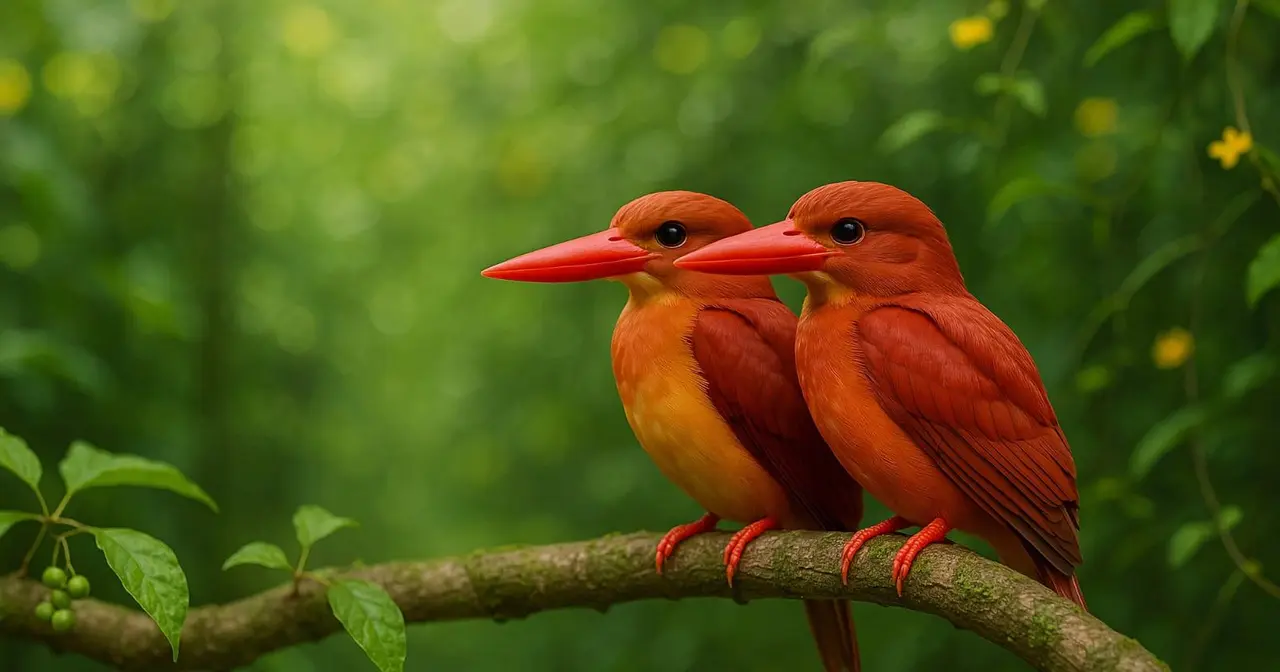
Source: PetaPixel
This incident sits at the heart of a warning published in Nature Ecology & Evolution by researchers from Cornell and Manchester Metropolitan University
1
3
. They argue that AI-generated content is starting to pollute citizen science platforms that scientists rely on to understand where species live and how they respond to environmental changes. The problem manifests in two ways: outright fakes created from scratch, and more commonly, well-intentioned edits that inadvertently alter the field marks essential for species identification.How AI-Altered Images Threaten Biodiversity Research
Platforms like iNaturalist and Macaulay Library are far more than hobbyist galleries. iNaturalist alone holds more than 610 million wildlife images that scientists mine to track how species respond to climate change and habitat shifts
1
3
. Tony Iwane, iNaturalist's director of community support and co-author of the Nature paper, described the network as "almost like a sensor of what is happening on Earth in real time"3
. But that sensor only works if the information feeding it remains accurate.When AI-enhanced bird photos enter these databases, they distort real-world data in ways that cascade through ecological research. A single fabricated sighting can suggest a species has shifted its range when it hasn't, leading to flawed conservation decisions
1
. Dr. Alexander Lees, the Manchester Metropolitan University ecologist who led the research, told The Guardian that "wildlife photographers can be quite obsessed with getting a beautiful photo, but there's a risk that the image might actually cause problems down the line when AI has been used to edit it"3
4
.Researchers have already identified several hundred suspect images across major databases, though the true scale remains unknown since many slip past unnoticed
1
3
. On iNaturalist, only 1,400 of its 610 million images carry an AI flag, with roughly 600 marked as fully generated—a figure that's either reassuring or alarming depending on how much remains undetected1
3
.The Danger of Model Collapse in Species Identification
The threat extends beyond contaminating scientific data—it creates a feedback loop that degrades the AI tools birdwatchers depend on. Apps like Merlin use machine learning for species identification, relying on recordings, geographical distribution data, and training images from these same platforms
2
. When fake wildlife images corrupt the training data, the algorithms produce unreliable results, making it more likely for even well-intentioned enthusiasts to make false observations. This self-perpetuating problem, known as model collapse or "Habsburg AI," means the more AI-generated content pervades the internet, the more it manifests in degraded quality of future models2
.Lees described his experience bluntly: "a huge volume of wildlife photos" on Facebook are now simply AI-generated imagery
1
3
. While outright hoaxes like a toucan sighting in Siberia are easy to spot, the subtle edits pose the real danger1
3
. When a birder asks AI to remove a branch or sharpen a blurry shot, the model rebuilds the bird, potentially erasing the precise markings that distinguish one species from another.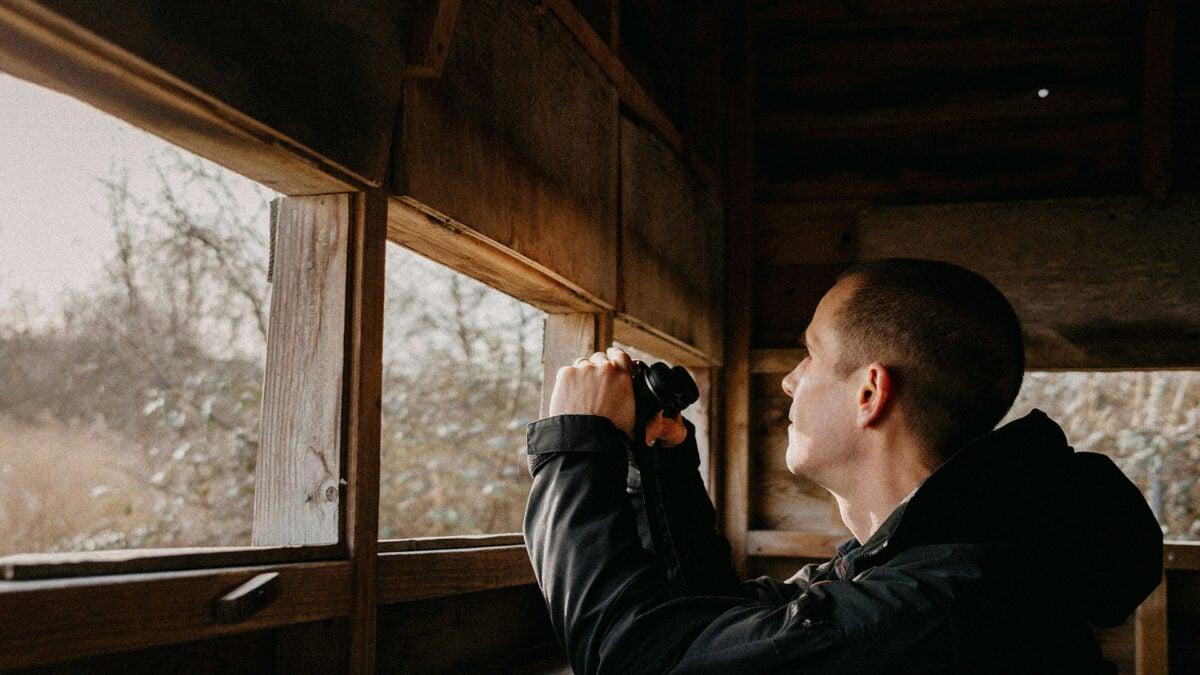
Source: Gizmodo
Related Stories

Platforms Respond as Conservation Efforts Face New Threats
Citizen science organizations are starting to address the issue, though detection remains challenging. iNaturalist now allows users to flag images in two ways: a fully-AI-generated flag that hides the image entirely, and an over-manipulated flag that drops it to "casual" grade so it never reaches research databases
1
. The researchers are calling for stronger image-authentication checks, metadata verification, and above all, education so contributors understand that "improving" a photo can break the science1
.Separate research published in Conservation Biology warns that fabricated AI wildlife videos are also distorting conservation efforts and public understanding of animal behavior
5
. Viral videos showing birds sheltering chicks from rain or predators behaving affectionately with prey misrepresent established facts about species behavior, potentially skewing conservation funding toward "cuter" mammals while less popular groups lose support5
.The broader implications are stark. As birdwatching forums and other platforms struggle with misinformation, the lesson mirrors challenges across every corner of the internet that AI has touched. Once fakes become indistinguishable from reality, trust becomes the scarcest resource, and the data integrity that underpins ecological research hangs in the balance. Researchers stress that most cases aren't malicious—contributors simply want better-looking pictures—but the consequences for biodiversity monitoring and media literacy are profound
3
5
.References
Summarized by

Navi
[1]
[4]
Related Stories
AI Slop Floods Social Media as Platforms Introduce Filters Amid Growing User Backlash
29 Jan 2026•Entertainment and Society

AI-Generated Animal Videos Fool Millions on Social Media, Raising Concerns About Digital Misinformation
01 Aug 2025•Technology

China's AI Boom Fuels Wave of Deepfake Disaster Content as Authorities Make Arrests
28 Jul 2026•Entertainment and Society
Recent Highlights
1
Meta Unveils Muse Wonder Frontier AI Models, Claims Performance Matching OpenAI and Anthropic
Technology

2
IMF Report Warns AI Market Correction Could Spark Global Financial Crisis With $1.4T at Risk
Business and Economy

3
OpenAI Releases 722 AI-Generated Math Solutions, Triggering Existential Crisis in Mathematics
Technology

Recent Highlights
Today's Top Stories








Don’t drown in AI news. We cut through the noise - filtering, ranking and summarizing the most important AI news, breakthroughs and research daily. Follow topics that matter to you and stay ahead.


