AI-Generated Misinformation: A Growing Threat to Emergency Response


2 Sources
[1]
AI-generated misinformation can create confusion and hinder responses during emergencies
York University provides funding as a member of The Conversation CA-FR. In one of the first communications of its kind, the British Columbia Wildfire Service has issued a warning to residents about viral, AI-generated fake wildfire images circulating online. Judging by comments made by viewers on
[2]
AI-generated misinformation can create confusion and hinder responses during emergencies
In one of the first communications of its kind, the British Columbia Wildfire Service has issued a warning to residents about viral, AI-generated fake wildfire images circulating online. Judging by comments made by viewers on social media, some people did not realize the images were not
Share
Copy Link
AI-generated fake images are causing confusion during emergencies, highlighting the need for better strategies to combat misinformation and protect public safety.
AI-Generated Misinformation Threatens Emergency Response
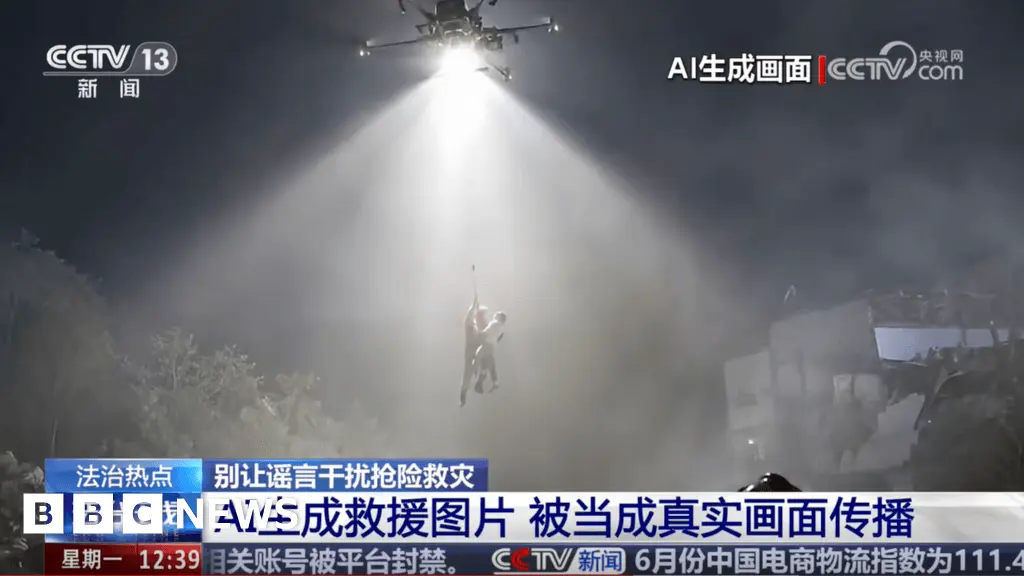
In a groundbreaking move, the British Columbia Wildfire Service has issued a warning about viral, AI-generated fake wildfire images circulating online. This incident highlights a growing concern: as advanced generative AI (genAI) tools become more accessible, the spread of digital disinformation during emergencies is likely to increase, potentially causing significant harm by spreading confusion and panic
1
2
.
Source: Tech Xplore
The Psychology of Misinformation
During stressful times, people tend to rely on mental shortcuts, making them more susceptible to disinformation. Emotionally charged and sensational content often captures more attention and is frequently shared on social media. This vulnerability to misinformation can have serious consequences, especially during emergencies when access to reliable information is crucial
1
2
.Motivations Behind Misinformation
The creation and spread of disinformation during emergencies stem from complex motivations. These can be categorized as intrinsic (related to inherent interest or enjoyment) and extrinsic (involving outcomes like financial gain or publicity). Factors motivating the creation of disinformation include:
- Political, commercial, or personal gain
- Prestige
- Belief systems
- Enjoyment
- Desire to harm or sow discord
1
2
Impact on Emergency Response
AI-generated misinformation can significantly disrupt disaster response efforts. The harms caused by disinformation can be direct or indirect, short-term or long-term, and may include:

Source: The Conversation
- Threatening lives and property
- Eroding sense of security
- Disrupting safety networks
- Causing unnecessary or delayed evacuations
- Improperly allocating resources
- Conflicting public behavior and actions
1
2
Challenges in Verification
As genAI technology improves, distinguishing between real and AI-generated information becomes increasingly difficult and resource-consuming. During emergencies, individuals typically verify information through vertical (government, emergency management agencies, reputable media) and horizontal (friends, family, neighbors) networks. However, the complexity and volume of information can make this process time-consuming and challenging
1
2
.Related Stories


Strategies to Combat Misinformation
To address the growing threat of AI-generated misinformation, experts recommend a multi-faceted approach:
-
Fostering Critical Awareness: Implement media literacy campaigns, school programs, and community workshops to educate the public about the dangers of misinformation and AI-generated content
1
. -
Clear Policies for AI-Generated Content: Establish and enforce policies on how news agencies use AI-generated images during emergencies, including mandatory disclaimers and transparent provenance tracking
1
. -
Strengthening Fact-Checking Platforms: Develop rapid, large-scale fact-checking capabilities for social platforms and news outlets during emergencies
1
. -
Incorporating Misinformation Management: Include identifying, countering, and reporting misinformation in emergency management and public education programs
2
.
The Road Ahead
As AI continues to transform information creation and sharing during crises, it's crucial to build safeguards through education, policy, fact-checking, and accountability. By doing so, we can work towards ensuring that AI becomes a tool for resilience rather than a driver of chaos during emergencies
2
.References
Summarized by

Navi
[1]
Related Stories
Recent Highlights



Recent Highlights
Today's Top Stories






Don’t drown in AI news. We cut through the noise - filtering, ranking and summarizing the most important AI news, breakthroughs and research daily. Follow topics that matter to you and stay ahead.


