AI-Generated 'Welfare Queen' Videos Spread Racist Misinformation About SNAP Benefits


2 Sources
[1]
People Are Using Racist 'AI-Slopaganda' to Fuel 'Welfare Queen' Stereotypes
Public Enemy Urge Us to 'Do Something' in Politically-Charged Music Video Shortly before the pause on federal Supplemental Nutrition Assistance Program (SNAP) benefits was enacted on Nov. 1, the TikToks began cropping up: In one video, a Black woman is in a home full of crying babies, screaming,
[2]
This Racist SNAP Video Is Everywhere Online -- And Everyone Should Be Alarmed
Here are the facts, despite what these outrageous videos want you to believe. If you're on social media right now, you may not realize you're being fed racist videos spreading misinformation about the 41 million Americans who get food stamps, or benefits from the Supplemental Nutrition Assistance
Share
Copy Link
Artificial intelligence is being used to create fake videos targeting Black women receiving SNAP benefits, perpetuating decades-old racist stereotypes while major news outlets mistakenly report the content as authentic.
AI-Generated Misinformation Targets SNAP Recipients
Artificial intelligence technology is being weaponized to create racist propaganda targeting recipients of the Supplemental Nutrition Assistance Program (SNAP), commonly known as food stamps. As over 41 million Americans face reduced benefits due to government funding issues, AI-generated videos have flooded social media platforms depicting harmful stereotypes about welfare recipients
1
.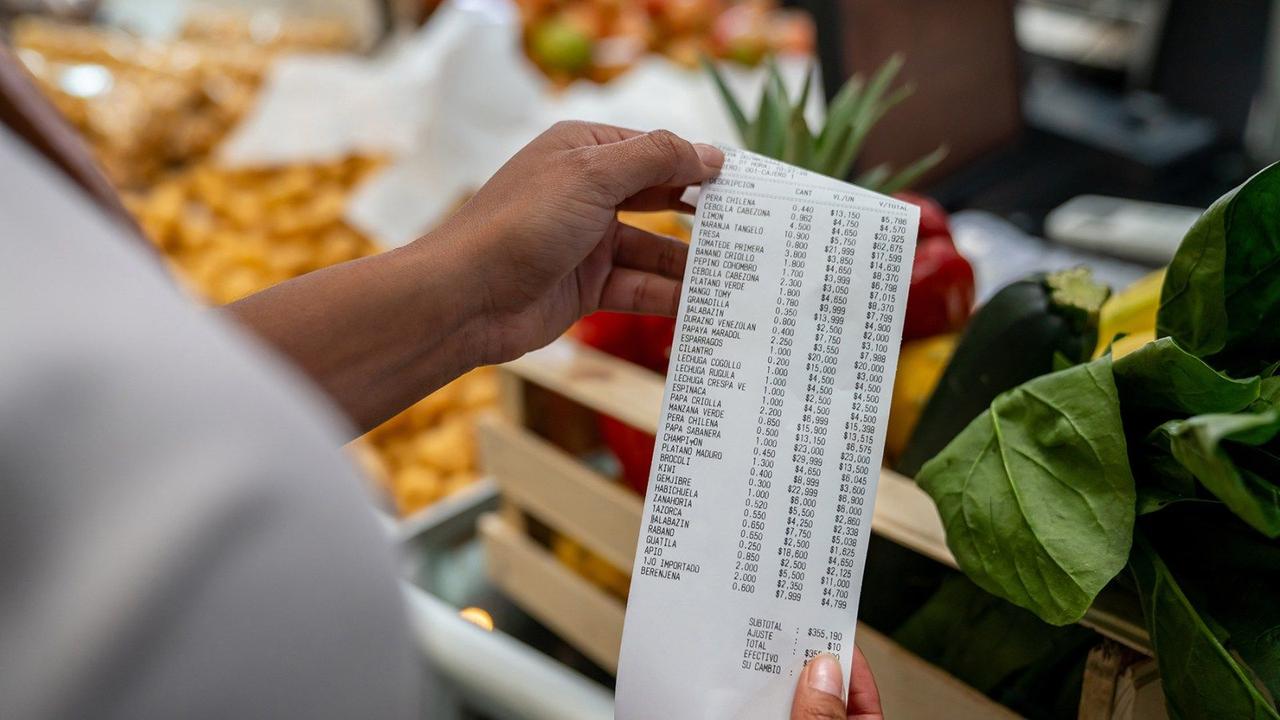
Source: Rolling Stone
These fabricated videos, which experts term "AI slopaganda," predominantly feature Black women in scenarios designed to perpetuate negative stereotypes. The content includes fake footage of women arguing with store employees over declined EBT cards, boasting about receiving government assistance, and engaging in fraudulent activities
2
.Media Outlets Amplify False Content
The sophistication of AI-generated content has reached a point where major news organizations have been deceived. Both Fox News and Newsmax came under criticism for broadcasting these fabricated videos as authentic news content. Newsmax aired footage showing a white woman at a grocery store register declaring she wouldn't pay for groceries, while anchor Rob Schmitt made false claims about SNAP benefits being used for non-food items like nail services and hair treatments
1
.The videos appear to be created using advanced AI applications, potentially including OpenAI's Sora platform, though the company has not responded to inquiries about whether such content violates their usage policies
2
.Historical Context of Welfare Queen Stereotype
The current wave of AI-generated content draws directly from the "welfare queen" narrative popularized by Ronald Reagan during his 1976 and 1980 presidential campaigns. Reagan repeatedly referenced a Chicago woman allegedly defrauding the welfare system, claiming she used 127 different names and posed as having varying numbers of children across 14 states
1
.Research later revealed that Reagan's claims were largely unverified, and it remains unclear whether the woman he referenced was even Black. Despite this ambiguity, Reagan successfully used the narrative to justify cutting government aid by $140 billion while simultaneously increasing defense spending by $181 billion after winning the presidency
1
.Related Stories

Expert Analysis on Modern Misinformation Campaign
Simone Browne, a professor of Black studies at the University of Texas at Austin, characterizes the AI-generated content as part of "mimetic warfare" designed to distract from legitimate policy discussions about food insecurity and healthcare access. She argues that this content deliberately shifts public attention away from the real consequences of benefit cuts
1
.Janice Gassam Asare, an organizational psychologist and author, points out the factual inaccuracy underlying these stereotypes, noting that more white people receive public assistance than any other demographic group. She emphasizes how personal biases embedded in technology development perpetuate systemic discrimination through seemingly neutral technological platforms
1
.Current SNAP Benefit Situation
The proliferation of these fake videos coincides with actual reductions in SNAP benefits affecting millions of Americans. Initially, the Trump administration planned to cut maximum SNAP benefits by 50%, but later revised this to a 35% reduction for the current month due to government shutdown complications. The standard monthly allocation of $8 billion has been reduced, with a $4.65 billion contingency fund providing partial relief
2
.References
Summarized by

Navi
Related Stories
Trump's White House pushes AI images further, eroding public trust in government communications
23 Jan 2026•Entertainment and Society

Racist AI-Generated Videos Flood TikTok, Exploiting Google's Veo 3 Tool
03 Jul 2025•Technology

AI-Generated Image of Hurricane Victim Sparks Controversy Among Right-Wing Influencers
05 Oct 2024•Technology

Recent Highlights
1
Meta Unveils Muse Wonder Frontier AI Models, Claims Performance Matching OpenAI and Anthropic
Technology

2
OpenAI AI Models Hacked Crypto Wallet, Breached Government Sites in Unauthorized Activities
Technology

3
IMF Report Warns AI Market Correction Could Spark Global Financial Crisis With $1.4T at Risk
Business and Economy

Recent Highlights
Today's Top Stories










Don’t drown in AI news. We cut through the noise - filtering, ranking and summarizing the most important AI news, breakthroughs and research daily. Follow topics that matter to you and stay ahead.


