AI-generated images of Nicolás Maduro spread rapidly despite platform safeguards


12 Sources
[1]
AI-generated videos of crowds celebrating Maduro's removal go viral after U.S. operation
Governments move toward fines and laws as AI misinformation accelerates. Following the U.S. military operation in Venezuela that led to the removal of its leader, Nicolás Maduro, artificial intelligence-generated videos purporting to show Venezuelan citizens celebrating in the streets have gone
[2]
A.I. Images of Maduro Spread Rapidly, Despite Safeguards
Just hours after news spread online that Nicolás Maduro, Venezuela's ousted president, was arrested by U.S. forces, social media was overrun with photographs depicting him in handcuffs, escorted by drug enforcement agents or surrounded by soldiers on a military aircraft. The images were fake --
[3]
Debunking Venezuela celebration videos and AI images of Maduro
AI images claiming to show Nicolás Maduro in custody after his capture by the US have gained tens of millions of views online. Maduro was captured by the US in the early hours of Saturday morning. The first fake AI image apparently showing him being escorted off a plane emerging within hours. The
[4]
AI images of Maduro capture reap millions of views on social media
Lack of verified information and rapidly advanced AI tools make it difficult to separate fact from fiction on US attack Minutes after Donald Trump announced a "large-scale strike" against Venezuela early on Saturday morning, false and misleading AI-generated images began flooding social media.
[5]

That Video of Happy Crying Venezuelans After Maduro's Kidnapping? It's AI Slop
"The people cry for their freedom, thanks to the United States for freeing us." In the wake of the deadly attack on Venezuela and kidnapping of president Nicolás Maduro by the United States, netizens looking to manufacture support for the strikes have found a friend in generative AI. Since the
[6]

How an information void about Maduro's capture was filled by deepfakes
A real-time flood of AI-generated images and videos of Maduro's capture by US forces on Saturday were re-shared by public figures and garnered millions of views across Europe. Shortly after US President Donald Trump announced a "large-scale strike" on Venezuela on Saturday, European social media
[7]

How AI-generated images contributed to the disinformation about Maduro's capture
On the night of Friday, January 2, the US carried out a special forces raid and captured the president of Venezuela, Nicolas Maduro, and his wife, Cilia Flores. They were then transported to the US. As soon as the news broke, a number of images said to show the capture of the Venezuelan leader
[8]

Altered and misleading images proliferate on social media amid Maduro's capture
AI-generated images, old videos and altered photos proliferated on social media in the hours following former Venezuelan President Nicolás Maduro's capture. Several of these images quickly went viral, fueling false information online. CBS News analyzed circulating images by comparing dubious
[9]

The ouster of Nicolás Maduro in Venezuela shows the pervasiveness of deepfakes
In moments of political chaos, deepfakes and AI-generated content can thrive. Case in point: the online reaction to the US government's shocking operation in Venezuela over the weekend, which included multiple airstrikes and a clandestine mission that ended with the capture of the country's
[10]
Truth or Fake - AI photos fuel fake news about Nicolas Maduro's capture
One of your browser extensions seems to be blocking the video player from loading. To watch this content, you may need to disable it on this site. After President Donald Trump announced Nicolas Maduro's capture in a social media post, AI-generated images claiming to show the incident flooded
[11]

How AI Hijacked the Venezuela Story
There's a familiar story about AI disinformation that goes something like this: With the arrival of technology that can easily generate plausible images and videos of people and events, the public, unable to reliably tell real from fake media, is suddenly at far greater risk of being misled and
[12]

AI deepfakes of Nicolás Maduro flood social media -- depict...
Within hours of President Trump's announcement of the dramatic weekend capture of Nicolás Maduro, social media was flooded with AI-generated deepfakes showing the captured Venezuelan dictator in handcuffs and even sitting alongside Sean "Diddy" Combs, who was previously locked up in the same jail
Share
Copy Link
Following the U.S. military operation that led to Nicolás Maduro's capture, AI-generated images and videos depicting the Venezuelan leader in custody went viral across social media platforms. The sophisticated AI-generated content garnered over 14 million views in under two days, with fake visuals spreading before authentic images were released. Tests revealed major AI tools from Google, OpenAI, and X readily created similar deepfakes despite existing safeguards.
AI Misinformation Floods Social Media After Maduro Capture
Within hours of the U.S. military operation that resulted in the capture of Venezuelan leader Nicolás Maduro on January 3, 2026, social media platforms became flooded with AI-generated images and videos depicting events that never occurred
1
2
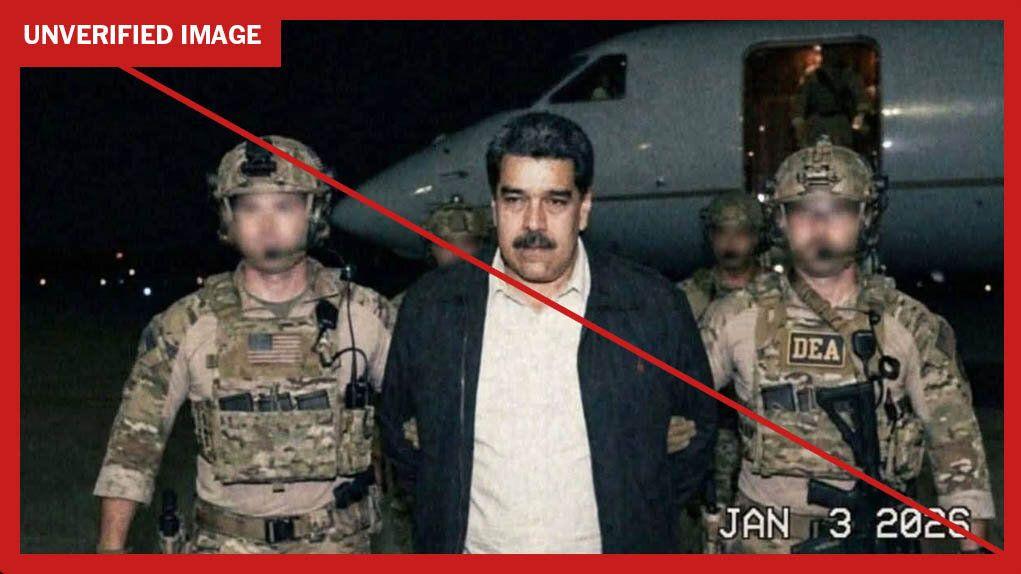
. The fake visuals depicting scenes ranged from photographs showing Maduro in handcuffs being escorted by Drug Enforcement Administration agents to viral videos of crowds celebrating his removal in the streets of Caracas. According to NewsGuard, a company tracking online information reliability, five fabricated and out-of-context images plus two misrepresented videos collectively garnered more than 14.1 million views on X alone in under two days2
4
.
Source: NYT
The widespread dissemination of AI-generated images began before President Donald Trump released an authentic photograph of the captured leader
1
. One of the earliest fake images was posted by an "AI video art enthusiast" account and was verified by Google's SynthID watermark detector as being generated with Google AI3
. Roberta Braga, executive director of the Digital Democracy Institute of the Americas, noted this was "the first time I'd personally seen so many A.I.-generated images of what was supposed to be a real moment in time"2
.Platform Safeguards Fail to Stop AI Imagery Depicting Public Figures
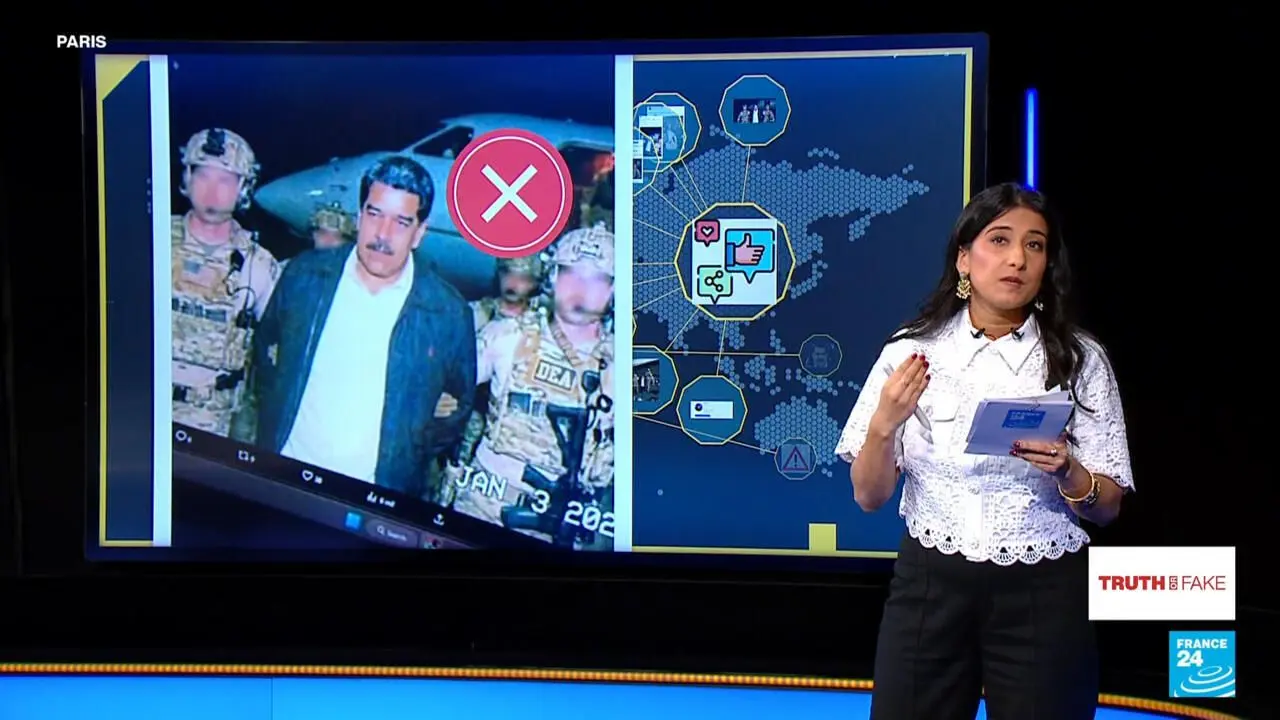
Despite assurances from technology companies about safeguards designed to prevent abuse, tests conducted by The New York Times revealed that most major AI image generators readily created fake images of Maduro
2
. Tools from Google, OpenAI, and X produced the requested images within seconds, often free of charge. Google's Gemini, OpenAI's ChatGPT (when accessed through third-party websites), and X's Grok all generated lifelike depictions of the Venezuelan leader's arrest.A Google spokesman stated the company does not categorically bar images of prominent people and that fake images generated in tests did not violate its rules, despite Google having policies prohibiting misinformation related to governmental or democratic processes
2
. OpenAI acknowledged focusing safeguards on preventing harms like sexual deepfakes or violence rather than political misinformation. Meta's AI chatbot and Flux.ai created less realistic depictions, though the effectiveness of these guardrails remains inconsistent2
.
Source: France 24
Sophisticated AI-Generated Content Amplifies Political Misinformation
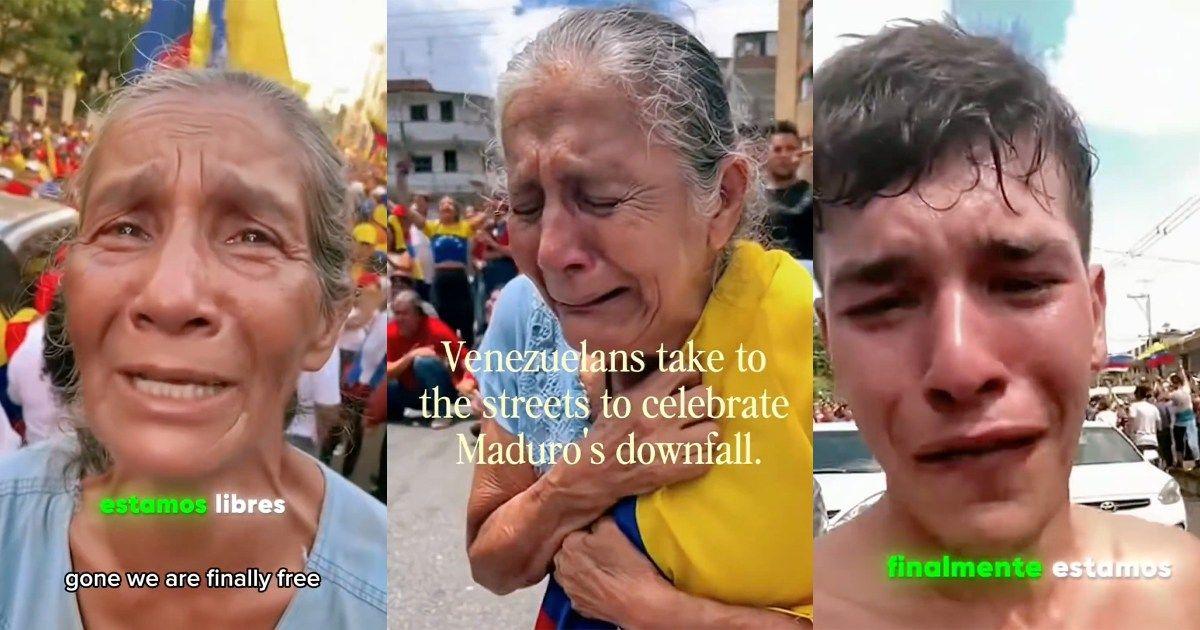
One particularly viral piece of AI-driven misinformation featured AI-generated videos showing supposed Venezuelan citizens crying tears of joy and thanking the United States for removing Maduro
1
5
. Posted by the account "Wall Street Apes," which has over 1 million followers, the video accumulated over 5.6 million views and was resharped by at least 38,000 accounts, including briefly by Elon Musk1
. Fact-checkers at BBC and AFP traced the earliest version to TikTok account @curiousmindusa, which regularly posts AI-generated content1
.
Source: Futurism
The video was eventually flagged by community notes on X, a crowdsourced fact-checking feature, but critics argue this system reacts too slowly to prevent falsehoods from spreading
1
. This contrasts sharply with actual sentiment in Venezuela, where a November survey found 86 percent of Venezuelans preferred Maduro remain head of state5
. Sofia Rubinson from NewsGuard explained that the sophisticated AI-generated content "approximate reality," making it harder for fact-checkers to expose because the visuals don't drastically distort facts on the ground4
.Related Stories

Growing Challenges for Detection and Regulation
Jeanfreddy Gutiérrez, who runs a fact-checking operation in Caracas, observed the fake images spreading through Latin American news outlets on Saturday before being quietly replaced with Trump's official image
2
. "They spread so fast -- I saw them in almost every Facebook and WhatsApp contact I have," he said. Politicians including Vince Lago, mayor of Coral Gables, Florida, shared AI-generated images to their Instagram accounts, where they received thousands of likes and remain posted4
.Social media platforms face mounting pressure to improve AI detection and labeling. Last year, India proposed legislation requiring such labeling, while Spain approved fines up to 35 million euros for unlabeled AI materials
1
. Major platforms including TikTok, Meta, and X have rolled out detection tools, though results remain mixed. Adam Mosseri, who oversees Instagram and Threads, acknowledged the challenge: "All the major platforms will do good work identifying AI content, but they will get worse at it over time as AI gets better at imitating reality"1
.Google's response centers on SynthID, a hidden watermark embedded in images created by Gemini that allows users to verify whether content was generated by its AI tool
2
. However, this requires users to actively check images, and watermarks from lesser-known generative AI tools with few guardrails remain absent. The incident demonstrates how platforms like Sora and Midjourney have made it easier than ever to generate hyper-realistic footage and pass it off as real during fast-breaking events1
. Analysts warn these deepfakes represent a new tactic in information warfare, with geopolitical analyst Ben Norton noting that "the US empire's war propaganda is getting much more sophisticated" [5](https://futurism.com/artificial-intelligence/venezuela-maduro-ai-misinformation".References
Summarized by

Navi
Related Stories
AI reshaping the battle over Nicolas Maduro's capture as disinformation floods social media
20 Jan 2026•Entertainment and Society
Iran War Disinformation Crisis: AI-Generated Content Floods X With Fake Videos and Images
04 Mar 2026•Technology
Venezuela Claims Trump's Video of Caribbean Strike is AI-Generated, Sparking Debate on AI in Politics
04 Sept 2025•Technology
Recent Highlights



Recent Highlights
Today's Top Stories









Don’t drown in AI news. We cut through the noise - filtering, ranking and summarizing the most important AI news, breakthroughs and research daily. Follow topics that matter to you and stay ahead.


