AI in surgery faces scrutiny as TruDi Navigation System linked to strokes and patient injuries


3 Sources
[1]
As AI enters the operating room, reports arise of botched surgeries and misidentified body parts
In 2021, a unit of healthcare giant Johnson & Johnson announced "a leap forward": It had added artificial intelligence to a medical device used to treat chronic sinusitis, an inflammation of the sinuses. Acclarent said the software for its TruDi Navigation System would now use a machine-learning
[2]
The Last 'Person' You Want Handling Your Surgery Is a Hallucinating Robot
Everyone's favorite nightmare scenario when it comes to artificial intelligence is that it somehow gains sentience and starts killing humans. Turns out, it doesn't require achieving superintelligence for AI to start costing human lives; it just requires humans granting too much trust and deference
[3]
AI-Powered Surgery Tool Repeatedly Injuring Patients, Lawsuits Claim
"The product was arguably safer before integrating changes in the software to incorporate artificial intelligence." Artificial intelligence has taken the medical device industry by storm -- even adding a layer of complexity to the operating room that's resulting in patients being hurt, some health
Share
Copy Link
A Johnson & Johnson surgical device saw malfunctions surge from 7 to over 100 after adding AI, with at least 10 patients injured. Two stroke victims have filed lawsuits alleging the TruDi Navigation System's AI contributed to botched surgeries, including skull punctures and arterial injuries. The incidents highlight growing concerns about inadequate safety standards as the FDA approves AI-powered medical devices at an accelerating pace.
AI in Surgery Triggers Wave of Patient Injuries and Lawsuits
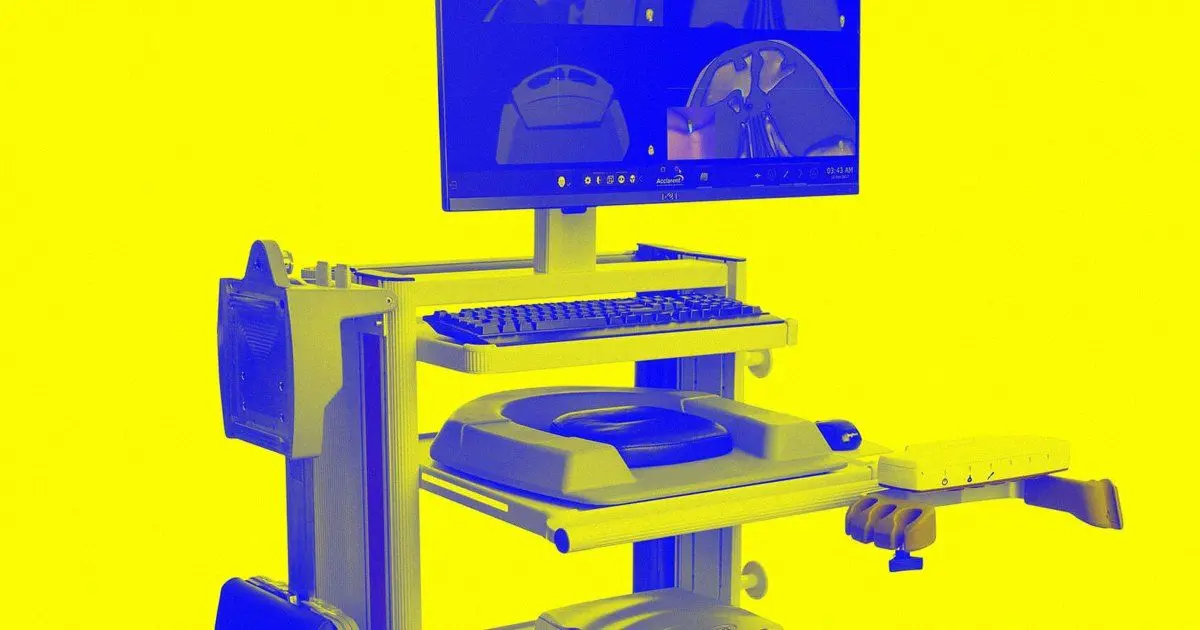
When Acclarent, a unit of healthcare giant Johnson & Johnson, announced in 2021 that it was adding artificial intelligence to its TruDi Navigation System for treating sinusitis, the company called it "a leap forward." The reality has proven far more troubling. Before the AI integration, the device had generated just seven unconfirmed malfunction reports to the US Food and Drug Administration over three years. After the machine learning algorithm was added, that number exploded to at least 100 malfunctions and adverse events, with at least 10 patient injuries reported between late 2021 and November 2025
1
.
Source: Futurism
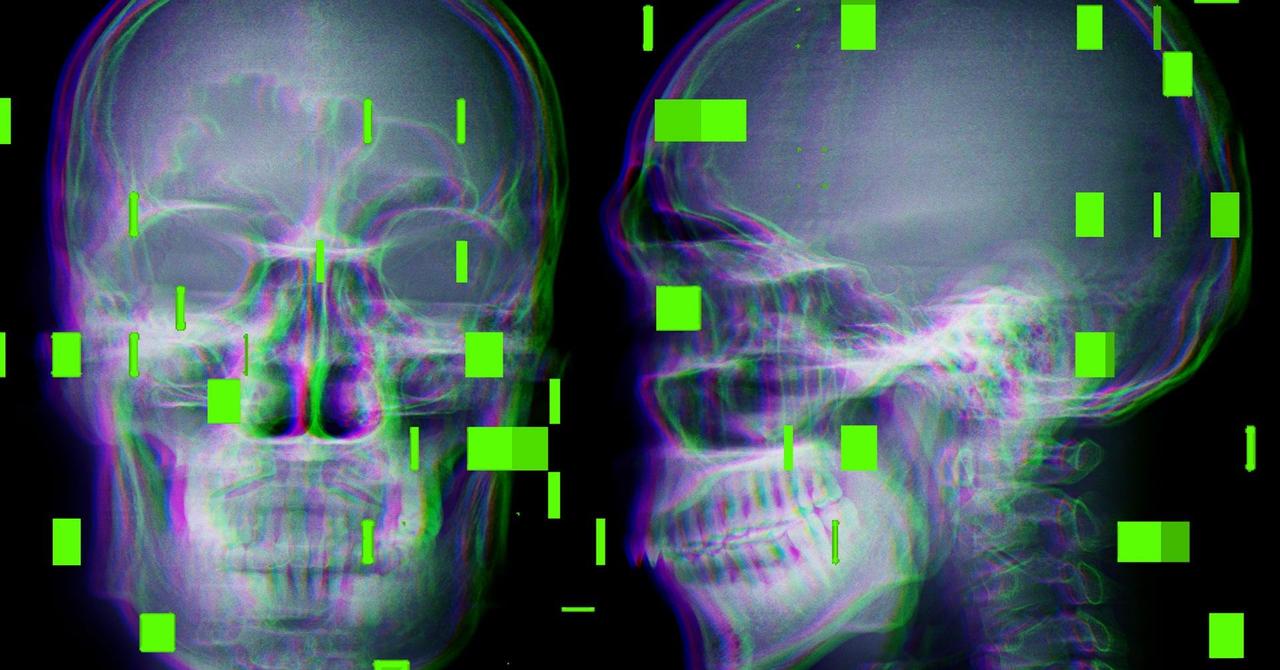
The alleged injuries paint a disturbing picture of AI in surgery gone wrong. Most incidents involved the TruDi Navigation System providing incorrect information about instrument locations during operations inside patients' heads. One patient reportedly experienced cerebrospinal fluid leaking from their nose. In another case, a surgeon mistakenly punctured the base of a patient's skull. Two patients allegedly suffered strokes after major arteries were accidentally injured during sinuplasty procedures
1
.
Source: Reuters
Acclarent Lawsuits Challenge AI Safety Standards
Two stroke victims have filed Acclarent lawsuits in Texas, directly challenging the safety of AI-powered medical devices. Erin Ralph alleges the TruDi Navigation System misled her surgeon, Marc Dean, during a 2022 procedure, causing him to injure a carotid artery and resulting in a blood clot and stroke. Donna Fernihough's lawsuit describes her carotid artery allegedly "blowing" with blood spraying "all over," leading to a same-day stroke
3
.Both cases make a striking claim: "The product was arguably safer before integrating changes in the software to incorporate artificial intelligence than after the software modifications were implemented"
1
. Fernihough's suit goes further, accusing Acclarent of implementing inadequate safety standards by setting "as a goal only 80 percent accuracy for some of this new technology before integrating it into the TruDi Navigation System," allegedly rushing the device to market3
.Integra LifeSciences, which acquired Acclarent and the TruDi system from Johnson & Johnson in 2024, disputes these claims. The company told Reuters that FDA reports "do nothing more than indicate that a TruDi system was in use in a surgery where an adverse event took place" and maintains "there is no credible evidence to show any causal connection between the TruDi Navigation System, AI technology, and any alleged injuries"
1
.Medical Device Malfunctions Reveal Broader Pattern
The TruDi incidents represent just one troubling example in a rapidly expanding field. The FDA has now authorized at least 1,357 medical devices using AI—double the number approved through 2022
1
. Many have encountered serious problems. Researchers from Johns Hopkins, Georgetown, and Yale universities published findings in JAMA Health Forum showing that 60 FDA-authorized AI medical devices were linked to 182 product recalls. Alarmingly, 43% of these recalls occurred less than a year after approval—about twice the higher recall rate for AI devices compared to all devices authorized under similar FDA rules1
.Other botched surgeries and errors have emerged beyond the TruDi system. The FDA has received reports about an AI heart monitor that allegedly overlooked abnormal heartbeats. Sonio Detect, an AI system for analyzing fetal images, allegedly misidentified fetal body parts and incorrectly labeled structures, raising concerns about AI hallucinations in medical contexts
1
2
.Related Stories

FDA Oversight Weakens as AI Devices Proliferate
The explosion of AI-powered medical devices comes at a precarious moment for FDA oversight. Five current and former agency scientists told Reuters that the FDA is struggling to keep pace with the flood of AI-enhanced devices seeking approval after losing key staff
1
. The Department of Government Efficiency cuts severely impacted the agency's AI review capacity, with the unit tasked with reviewing AI-enabled medical devices losing 15 of its 40 scientists. Another unit involved in AI in medicine lost one-third of its staff2
."If you don't have the resources, things are more likely to be missed," a former device reviewer warned
3
. This resource crunch raises questions about patient safety as companies rush to integrate AI technologies. Many AI devices don't undergo clinical trials before FDA approval; instead, manufacturers point to previously authorized devices before adding AI capabilities through algorithm updates3
.What This Means for Healthcare's AI Future
The medical device industry's embrace of generative AI and machine learning technologies extends beyond surgical navigation. ChatGPT and similar large language models are entering healthcare through consumer apps and physician tools, while AI algorithms screen medical scans for diseases like cancer
3
. Yet the TruDi cases suggest that adding AI to established medical devices may introduce new risks that outweigh potential benefits.The lawsuits allege that AI features served primarily as a "marketing tool" rather than genuinely improving accuracy
2
. This raises concerns about whether publicly traded companies like Johnson & Johnson face pressure to rush products to market without sufficient safety testing. As administrators like Mehmet Oz promote AI-powered ultrasounds and diagnostic "wands," the gap between technological enthusiasm and proven patient safety continues to widen3
. Medical professionals and patients alike must now navigate an operating room landscape where skull punctures and strokes linked to software modifications demand answers about accountability and the true cost of innovation.References
Summarized by

Navi
[1]
Related Stories
Ontario Audit Reveals AI Medical Scribes Hallucinate Patient Info, Miss Critical Health Details
14 May 2026•Health
AI Diagnosis Outperforms Emergency Room Doctors in Harvard Study, Raises Questions on Patient Care
30 Apr 2026•Science and Research

FDA's AI Tool 'Elsa' Raises Concerns Over Hallucinations and Accuracy in Drug Approval Process
24 Jul 2025•Policy and Regulation
Recent Highlights
1
Meta Unveils Muse Wonder Frontier AI Models, Claims Performance Matching OpenAI and Anthropic
Technology

2
IMF Report Warns AI Market Correction Could Spark Global Financial Crisis With $1.4T at Risk
Business and Economy

3
OpenAI Releases 722 AI-Generated Math Solutions, Triggering Existential Crisis in Mathematics
Technology

Recent Highlights
Today's Top Stories











Don’t drown in AI news. We cut through the noise - filtering, ranking and summarizing the most important AI news, breakthroughs and research daily. Follow topics that matter to you and stay ahead.


