FDA's AI Tool 'Elsa' Raises Concerns Over Hallucinations and Accuracy in Drug Approval Process


5 Sources
[1]
FDA employees say the agency's Elsa generative AI hallucinates entire studies
"Anything that you don't have time to double-check is unreliable." Current and former members of the FDA told about issues with the Elsa generative AI tool by the federal agency last month. Three employees said that in practice, Elsa has hallucinated nonexistent studies or misrepresented real
[2]
FDA's New Drug Approval AI Is Generating Fake Studies: Report
The AI, dubbed Elsa, is supposed to be making employees better at their jobs. Robert F. Kennedy Jr., the Secretary of Health and Human Services, has made a big push to get agencies like the Food and Drug Administration to use generative artificial intelligence tools. In fact, Kennedy recently told
[3]
The FDA's new drug-approving AI chatbot is not helping
The Food and Drug Administration's new AI tool -- touted by Secretary of Health and Human Services Robert F. Kennedy, Jr. as a revolutionary solution for shortening drug approvals -- is initially causing more hallucinations than solutions. Known as Elsa, the AI chatbot was introduced to help FDA
[4]
The FDA Is Using an AI to "Speed Up" Drug Approvals and Insiders Say It's Making Horrible Mistakes
Insiders at the Food and Drug Administration are ringing alarm bells over the agency's use of an AI to fast-track drug approvals. As CNN reports, six current and former FDA officials are warning that the AI, dubbed Elsa, which was unveiled weeks earlier, is "hallucinating" completely made-up
[5]

FDA's Elsa AI Tool Hallucinates Studies, Sparks Concern Over Lack Of Oversight In High-Stakes Healthcare Decisions Where Accuracy Directly Impacts Public Safety And Trust
With artificial intelligence being adopted rapidly, varied domains are increasingly looking for ways to implement the technology in order to improve efficiency and save time. We see a vast use of AI assistants for smoother processes. It has not been long since the FDA rolled out Elsa, its
Share
Copy Link
The FDA's new AI tool, Elsa, is facing criticism from employees who report that it hallucinates studies and misrepresents research, raising concerns about its reliability in the drug approval process.
FDA Introduces AI Tool 'Elsa' for Drug Approval Process
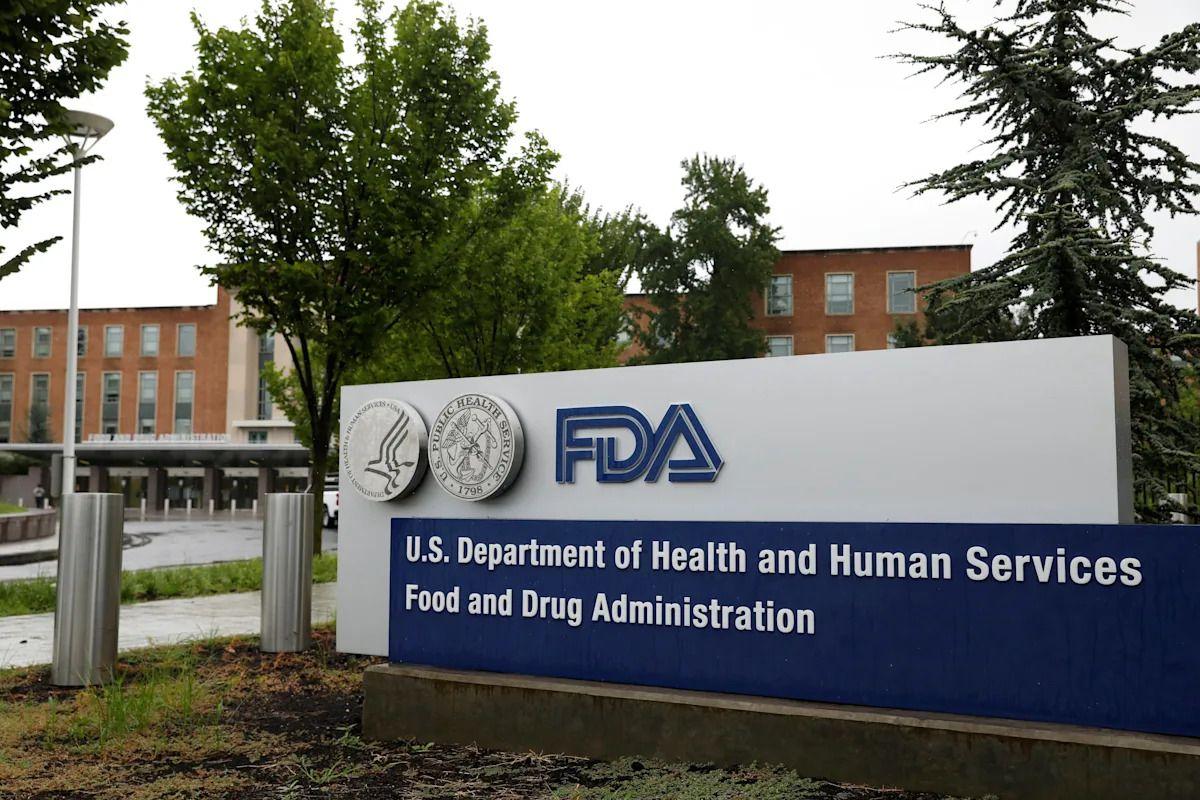
The Food and Drug Administration (FDA) recently unveiled a generative AI tool named Elsa, aimed at streamlining the drug and medical device approval process. Introduced by FDA Commissioner Marty Makary on June 2, Elsa was touted as a cost-effective solution, costing only $12,000 in its first week of operation
2
. The AI assistant was designed to help FDA employees with tasks such as creating meeting notes, summaries, and accelerating clinical protocol reviews1
4
.
Source: Engadget
Concerns Raised by FDA Employees
However, current and former FDA employees have raised significant concerns about Elsa's performance. According to a CNN investigation, at least three employees reported that Elsa has been:
- Hallucinating nonexistent studies
- Misrepresenting real research
- Providing incorrect answers to basic questions
One FDA employee stated, "Anything that you don't have time to double-check is unreliable. It hallucinates confidently"
1
2
. This raises serious questions about the tool's reliability in a field where accuracy is crucial for public health and safety.Leadership Response and Implementation
Despite these concerns, FDA leadership appears to be downplaying the issues. FDA Commissioner Marty Makary told CNN that he had not heard of these specific concerns and emphasized that using Elsa and participating in training to use it are currently voluntary at the agency
1
. Jeremy Walsh, the FDA's head of AI, acknowledged that Elsa "could potentially hallucinate" but suggested that more detailed questions could mitigate this issue4
.Broader Context of AI in Healthcare

Source: Wccftech
The introduction of Elsa is part of a larger push by the Trump administration to accelerate AI adoption in healthcare. Health and Human Services Secretary Robert F. Kennedy Jr. has been a vocal proponent of using AI to speed up drug approvals
2
3
. However, this aggressive push for AI implementation has raised concerns about potential oversight issues and the risks of relying on unproven technologies in critical healthcare decisions3
5
.Related Stories


Implications and Challenges
The reported issues with Elsa highlight several challenges:
-
Time Efficiency: Instead of saving time, some employees report spending extra time double-checking Elsa's output, contradicting claims of increased efficiency
4
. -
Access to Information: Elsa reportedly lacks access to relevant documentation needed for drug reviews, limiting its usefulness in the approval process
4
. -
Accuracy and Trust: The tool's tendency to cite nonexistent studies and provide incorrect information undermines trust in its capabilities
2
4
. -
Regulatory Concerns: The rapid implementation of AI in high-stakes healthcare decisions without proper safeguards raises questions about regulatory oversight
3
5
.
Source: Futurism
Future Implications
The challenges faced by the FDA with Elsa serve as a cautionary tale for the implementation of AI in critical sectors like healthcare. As the U.S. government continues to push for AI adoption through initiatives like the AI Action Plan, the need for robust testing, proper oversight, and clear governance standards becomes increasingly apparent
3
5
.The situation also underscores the importance of maintaining human expertise and judgment in processes that directly impact public health and safety. As AI tools continue to evolve, finding the right balance between technological innovation and reliable, human-centered decision-making remains a crucial challenge for regulatory agencies like the FDA.
References
Summarized by

Navi
[4]
Related Stories
Recent Highlights
1
Meta Unveils Muse Wonder Frontier AI Models, Claims Performance Matching OpenAI and Anthropic
Technology

2
IMF Report Warns AI Market Correction Could Spark Global Financial Crisis With $1.4T at Risk
Business and Economy

3
OpenAI Releases 722 AI-Generated Math Solutions, Triggering Existential Crisis in Mathematics
Technology

Recent Highlights
Today's Top Stories











Don’t drown in AI news. We cut through the noise - filtering, ranking and summarizing the most important AI news, breakthroughs and research daily. Follow topics that matter to you and stay ahead.


