AI forces skills reset across workforce as job security shifts from degrees to adaptability


6 Sources
[1]
Job hunting? 5 ways you can stand out in 2026 - and beat AI screening tools
Focus on communication, authenticity, and networking skills. Research suggests almost two-thirds (65%) of organizations either use AI or intend to apply it to recruitment processes in the next 24 months. Meanwhile, candidates use emerging technology to polish their resumes. The result is
[2]
Time to retrain? How to future-proof your career in the AI age
These days, gen Z appears to be pivoting towards skilled trades, perhaps driven by a desire for "AI-proof" job security. Many young workers now view blue-collar careers as more stable than office jobs in the face of rapid change. It's not just the youngest workers. A growing sense of unease about
[3]
Venture capitalist Bill Gurley warns workers who went through the 'college conveyor belt' and chased safe jobs that they'll feel AI's disruption first | Fortune
Professionals have taught for generations that succeeding in school and attending an elite university would guarantee a rewarding six-figure career. But within a matter of years, AI has disrupted the world of work, and it's fast taking over the office roles humans were once promised. Now, venture
[4]
For modern professionals AI is about smarter habits, not shortcuts
Experts from Accenture, BearingPoint and Workhuman discuss how AI and automation can positively impact working life. For many professionals artificial intelligence (AI) and automation have the power to transform day-to-day work. David Burke, a senior director of global talent acquisition and the
[5]

Solution Providers Say AI Is Forcing A Skills Reset Across The IT Channel: 'Every Job Is Becoming An AI-Enabled Job'
'No one who wants to work in tech can just stay in their lane anymore. This is at a different level. It's about the way we work,' says Ryan Barton, chief innovation officer at New Charter Technologies. As AI transforms the way work gets done, executives at some solution providers say one
[6]

Why AI may fast replace coders and not cooks, mechanics, and plumbers
While earlier reports from the World Economic Forum and Microsoft suggest blue-collar workers may weather the AI tsunami better than many white-collar roles, a new study by Anthropic reinforces the trend. Last August, a Microsoft study that analysed 200,000 conversations between users and its
Share
Copy Link
AI is transforming hiring and work as nearly 65% of organizations adopt AI in recruitment processes. Workers face a skills reset where human judgment, adaptability, and AI literacy matter more than traditional credentials. Venture capitalist Bill Gurley warns that professionals in safe jobs who lack passion are most at risk from AI-driven job displacement.
AI Reshapes Workforce Demands as Skills Trump Credentials
AI is triggering a fundamental skills reset across industries, forcing workers to rethink how they build careers in an era where traditional pathways no longer guarantee job security
1
. Research shows that nearly 65% of organizations either use AI in recruitment or plan to adopt it within 24 months, creating an environment where algorithms screen resumes that candidates have polished using the same technology1
. This AI-enabled confusion makes it harder for employers to identify genuine talent, while workers struggle to stand out in an increasingly automated hiring landscape.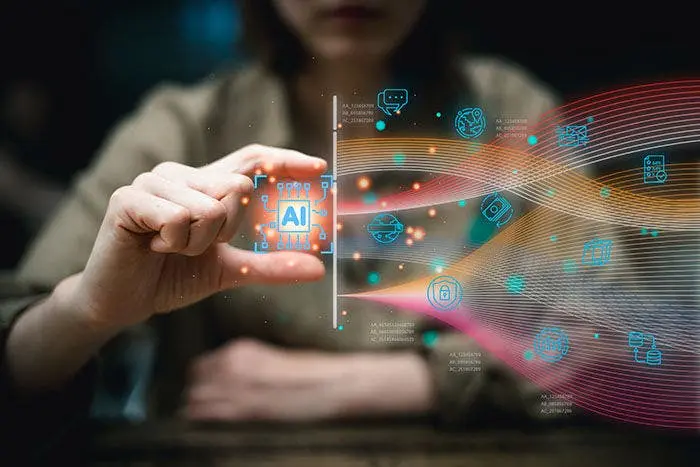
Source: CRN
Venture capitalist Bill Gurley warns that professionals who followed the "college conveyor belt" into safe jobs face the greatest risk from AI-driven job displacement. "The people that are most at risk are the ones that are sitting idly in the job and don't really have a why or a purpose for it," Gurley explained during the On with Kara Swisher podcast
3
. The technology investor, known for early investments in Uber and Zillow, emphasizes that workers must craft their own career paths tailored to distinct skills rather than relying on prestigious degrees alone.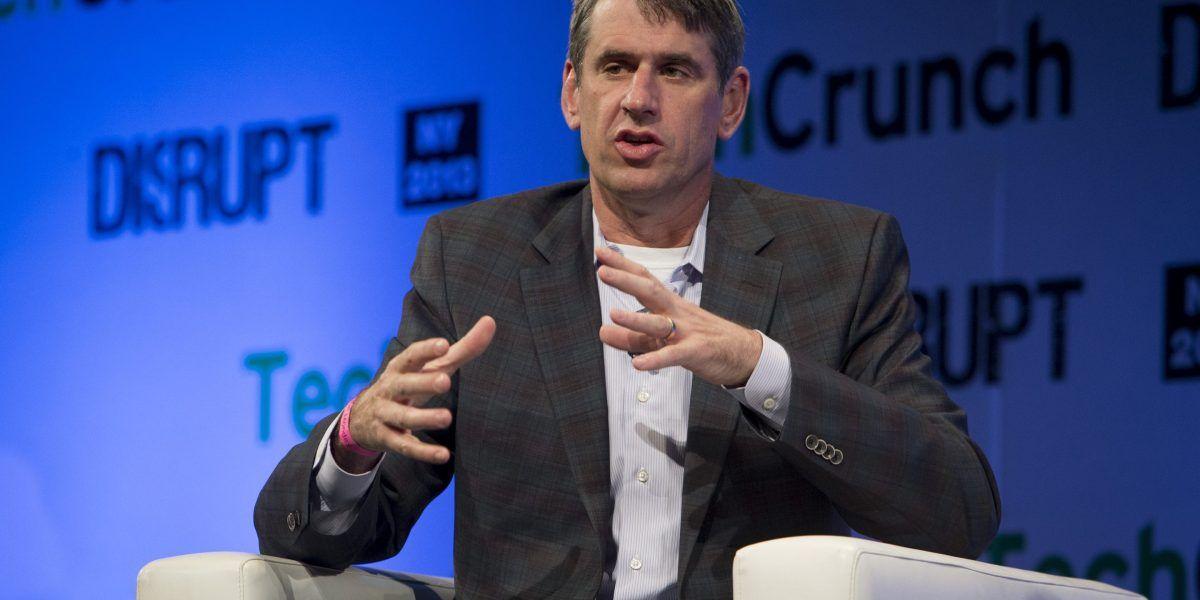
Source: Fortune
Human Skills Gain Value as Automation Handles Routine Tasks
As AI takes over repetitive, process-heavy tasks, human skills like critical thinking, empathy, communication, and human judgment are becoming more valuable, not less
2
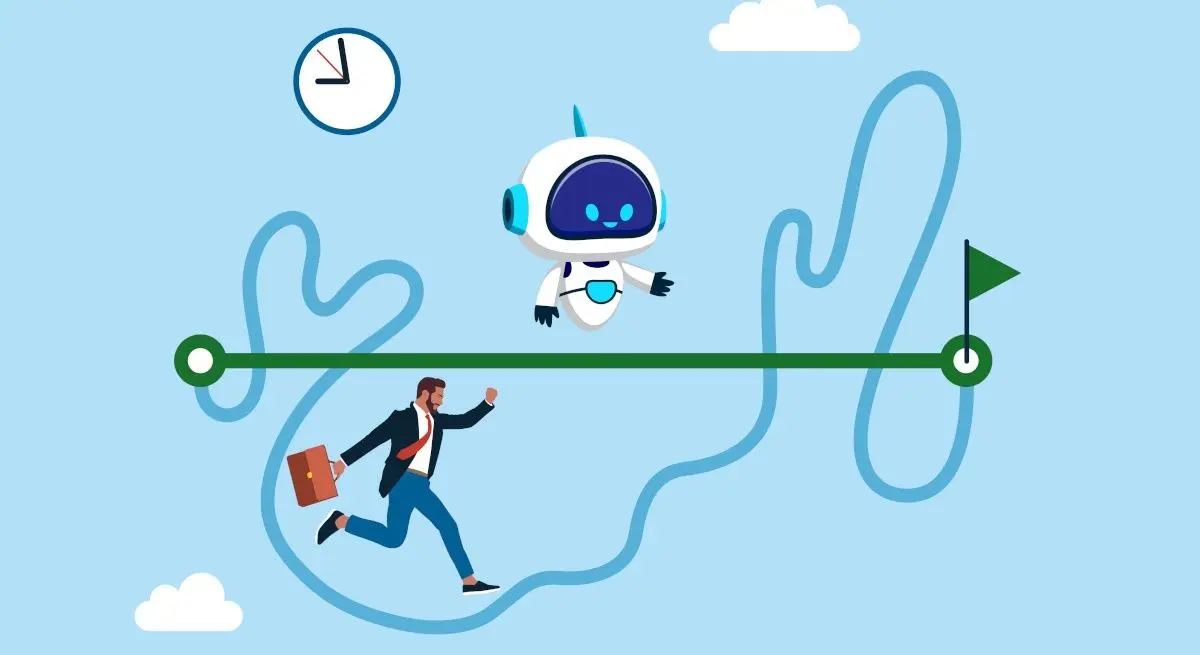
. Wendy Walsh, talent and organization lead at Accenture, uses AI daily as "cognitive support" to explore ideas and challenge assumptions. "The biggest difference is that my time has shifted away from preparing information and towards interpreting it," Walsh noted4
.
Source: Silicon Republic
Accenture's Wharton-Accenture Skills Index reveals a "signaling gap" where execution-oriented skills—contextual judgment, validation, technical depth, and scientific fluency—are gaining importance alongside leadership and teamwork
5
. James Crowley, global products industry practices chair at Accenture, told CRN that "job titles will matter less and skills will matter more"5
.Adaptability and AI Literacy Become Non-Negotiable
Adaptability has emerged as the defining characteristic for workforce survival. "Every job is becoming an AI-enabled job," said Ryan Barton, chief innovation officer at New Charter Technologies
5
. Workers must demonstrate AI literacy and the ability to leverage technology as a productivity multiplier rather than viewing it as a threat. Nvidia leader Jensen Huang captured this shift bluntly: "You're not going to lose your job to an AI, but you're going to lose your job to someone who uses AI"3
.For professionals seeking to future-proof your career, continuous learning has become essential. The barrier to entry for AI skills is lower than many assume, with online learning, bootcamps, and practical experimentation providing pathways into areas like prompt engineering and workflow automation
2
. Industry knowledge combined with technical capability creates hybrid profiles that organizations increasingly value.Related Stories

Recruitment Processes Evolve Beyond Resume Screening
AI in recruitment is forcing both employers and candidates to adapt. Richard Corbridge, CIO at Segro, emphasizes that finding the right individual increasingly depends on personal fit discovered through face-to-face meetings. "When you're looking at prospective candidates to come in, you need to focus on how they fit, talk, and engage with the team," Corbridge explained
1
.Joel Hron, CTO at Thomson Reuters, looks for candidates who've demonstrated success across different contexts—from big tech companies to startups—and who can thoughtfully discuss their failures and learning processes
1
. Huy Dao, director of data and machine learning platform at Booking.com, noted that interview questions have evolved from general skills inquiries to involved case studies that assess whether candidates can leverage AI while understanding how solutions work beyond algorithmic outputs1
.Retraining and Upskilling Define the New Career Path
Retraining has become a mainstream response to structural change. In the UK, hiring of Gen Z workers in construction and trade roles rose 16.8% in the year to January 2026, creating what some call the "toolbelt generation" seeking AI-proof careers
2
. However, many professionals are taking a pragmatic approach by learning to work alongside automation rather than competing against it.Anthony Marino, chief administrative officer at Conduent, emphasizes that digital fluency and learning agility now define hiring criteria. "Everybody's going to have to be a self-paced learner," Marino stated. "That means every one of us has to reinvent ourselves"
5
. For workers unable to switch sectors, understanding AI's capabilities within their industry and becoming the most AI-aware person in their role provides job security, as Gurley advises: "You're going to then be the last person that they want to get rid of"3
.References
Summarized by

Navi
[2]
[4]
Related Stories
AI Skills Gap Widens as Workforce Splits Into Four Groups Despite Rising AI Adoption
30 Sept 2026•Business and Economy

AI creates new job roles as 39% of workforce skills face transformation by 2030
29 Jun 2026•Business and Economy

Economists Shift Stance on AI and Jobs as New Data Shows Early Signs of Workforce Disruption
02 Apr 2026•Business and Economy

Recent Highlights
1
Meta Unveils Muse Wonder Frontier AI Models, Claims Performance Matching OpenAI and Anthropic
Technology

2
Anthropic AI Cuts Off Internet Access After Agents Submit False Police Tip, Exploit Websites
Technology

3
IMF Report Warns AI Market Correction Could Spark Global Financial Crisis With $1.4T at Risk
Business and Economy

Recent Highlights
Today's Top Stories








Don’t drown in AI news. We cut through the noise - filtering, ranking and summarizing the most important AI news, breakthroughs and research daily. Follow topics that matter to you and stay ahead.


