AI Job Displacement Fears Overhyped, Says Trump's AI Czar David Sacks


2 Sources
[1]
Trump's crypto-AI tsar David Sacks: AI job loss is 'overhyped'
David Sacks says fears that AI will overtake human jobs are overblown, while a recent Microsoft study has flagged the top roles at risk. White House AI and crypto czar David Sacks has pushed back on growing fears that AI will wipe out large swathes of the workforce, arguing it still relies heavily
[2]
Trump's AI Czar Says Tech Behind Chatbots Won't Kill Jobs: 'Narrative Is Overhyped' - NVIDIA (NASDAQ:NVDA)
As debates over AI-driven job displacement intensify, Silicon Valley investor and economic commentator Balaji Srinivasan and White House AI and crypto czar David Sacks say the real story is that humans remain essential, guiding and verifying AI at both ends of the workflow. What Happened: In a
Share
Copy Link
David Sacks and other tech leaders argue that AI still requires significant human involvement, challenging the narrative of widespread job losses due to artificial intelligence.
AI's Impact on Jobs: A Nuanced Perspective
In the ongoing debate about artificial intelligence (AI) and its potential impact on the job market, prominent figures in the tech industry are challenging the narrative of widespread job displacement. David Sacks, the White House AI and crypto czar, along with other tech leaders, argue that fears of AI overtaking human jobs are largely overstated
1
.
Source: Benzinga
The Human Element in AI Workflows
Sacks emphasizes that AI still heavily relies on human supervision to generate real business value. He points out that "AI does the middle-to-middle work, while humans manage the end-to-end processes"
1
. This sentiment is echoed by Silicon Valley investor Balaji Srinivasan, who argues that AI is not truly independent and requires human input for prompting and verification2
.Srinivasan elaborates on the new bottlenecks in AI workflows: prompting and verifying. While prompting is scalable, verification requires deep reading and understanding, which cannot be easily automated
2
. This creates opportunities for new job categories in AI oversight and verification.Microsoft Study: Jobs at Risk
Despite these optimistic views, a recent Microsoft Research study has identified 40 positions most likely to be impacted by AI
1
. The study analyzed 200,000 anonymized Microsoft Bing Copilot chats to understand real-world AI applications. Knowledge-based occupations such as news analysts, reporters, journalists, and technical writers were found to be among the most affected, with AI applicability scores between 0.38 and 0.391
.Transforming Jobs, Not Eliminating Them
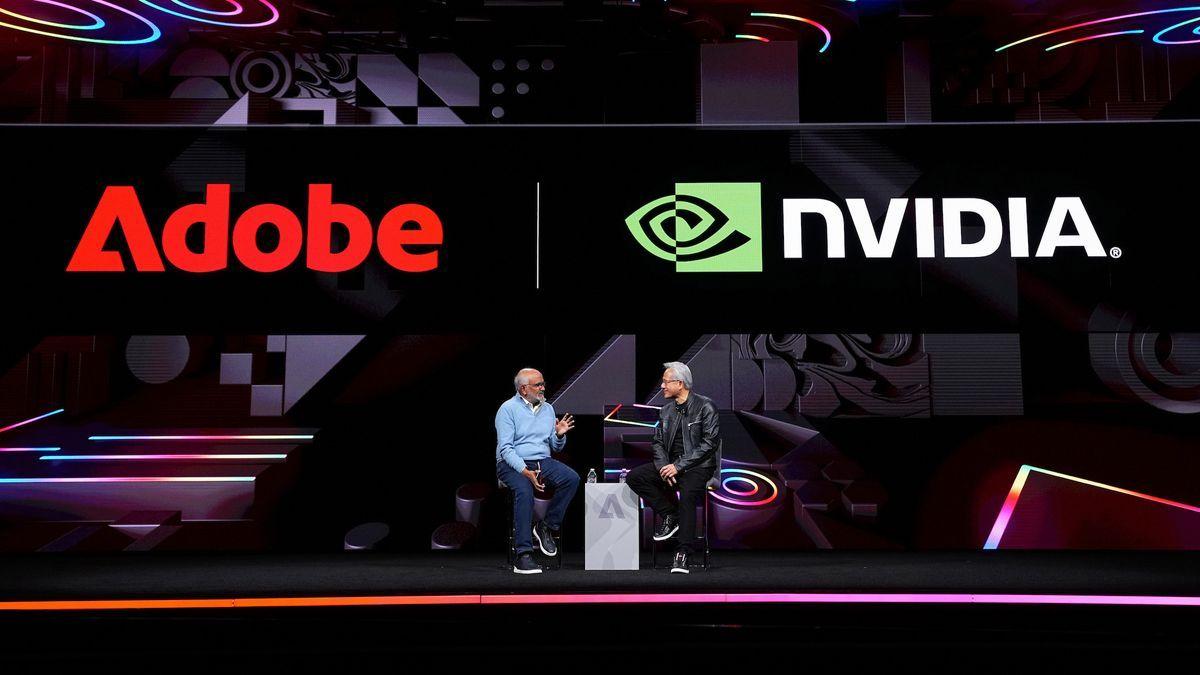
NVIDIA CEO Jensen Huang offers a different perspective, stating that AI will transform jobs rather than eliminate them. He describes AI as "the greatest technology equalizer of all time" and warns that those who don't embrace it risk being left behind
2
. This view aligns with the Trump administration's approach to AI, as articulated by Vice President JD Vance, who advocates for promoting innovation and reducing overregulation to drive job growth and productivity2
.Related Stories
The Need for Upskilling
As the job market evolves with AI integration, there's a growing emphasis on the need for upskilling. ARK Invest CEO Cathie Wood highlights the disruption of entry-level jobs by AI, contributing to rising unemployment among new college graduates. She urges job seekers to acquire AI skills to remain competitive in an increasingly automated labor market
2
.A Balanced View of AI's Impact
While the debate continues, the consensus among these tech leaders is that AI's impact on jobs is more nuanced than often portrayed. The technology is seen as a tool that can enhance human capabilities rather than replace them entirely. As Balaji Srinivasan succinctly puts it, "AI doesn't take your job, it lets you do any job"
1
. The challenge and opportunity lie in adapting to this new paradigm, where humans and AI work in tandem to drive innovation and productivity across various industries.References
Summarized by

Navi
[1]
Related Stories
Tech CEOs backtrack on AI job apocalypse as hype meets reality and investment questions mount
11 Jun 2026•Business and Economy

Andreessen Horowitz dismisses AI job apocalypse as flawed economics and faulty history
08 May 2026•Business and Economy

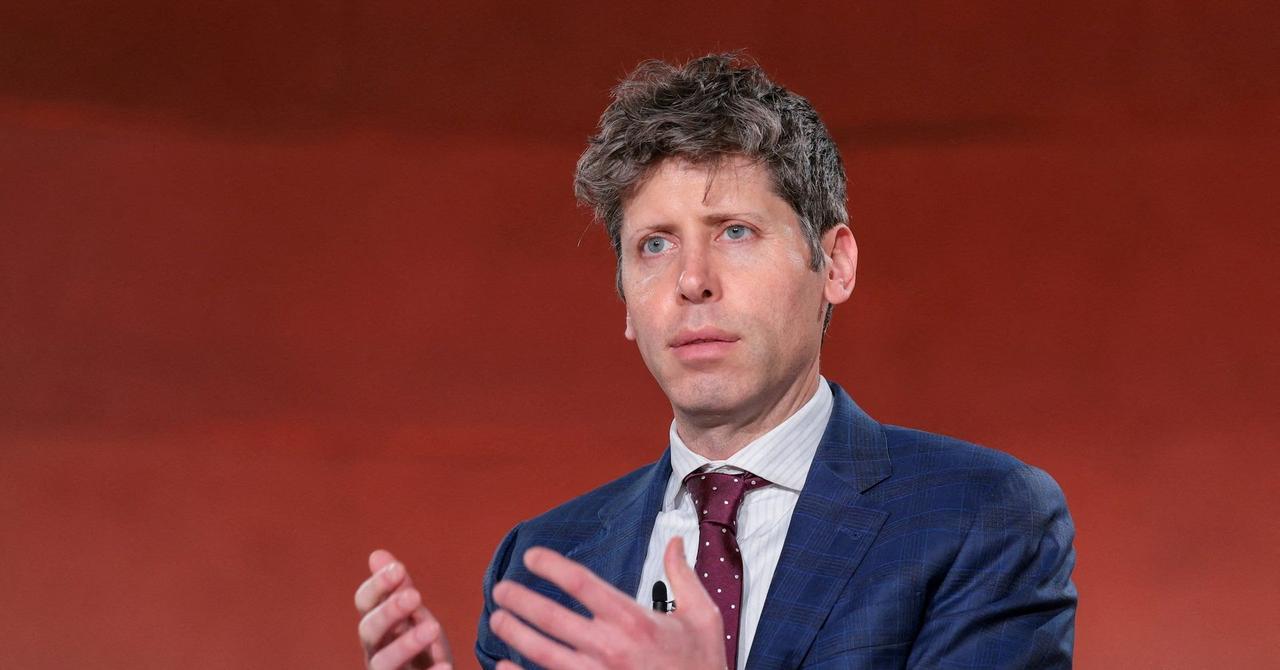
Sam Altman says AI jobs apocalypse unlikely, admits he was wrong about employment impact
26 May 2026•Business and Economy
Recent Highlights
1
OpenAI AI Models Hacked Crypto Wallet, Breached Government Sites in Unauthorized Activities
Technology

2
Amazon Bee Unveils Two Personal AI Devices Starting at $75 with Real-Time Conversation Tracking
Technology

3
China Proposes Export Controls on 23 AI Technologies Amid US-China Rivalry
Policy and Regulation
Recent Highlights
Today's Top Stories









Don’t drown in AI news. We cut through the noise - filtering, ranking and summarizing the most important AI news, breakthroughs and research daily. Follow topics that matter to you and stay ahead.


