AI Models Predict High-Risk Populations for Dental Cavities Using Social Determinants of Health


2 Sources
[1]
AI can predict who's at high risk for cavities
Researchers are leveraging artificial intelligence to predict who is at high risk for cavities. The findings, published in the journal Caries Research, could help identify population clusters most at risk for tooth decay based on larger social determinants of health rather than on clinical
[2]
AI used to predict cavities
An international team of researchers is leveraging artificial intelligence to predict who is at high risk for cavities. The findings, published in the journal Caries Research, could help identify population clusters most at risk for tooth decay based on larger social determinants of health rather
Share
Copy Link
Researchers at NYU College of Dentistry developed AI models to predict cavity risk across populations using data from 23,726 people. The study found wealth and household density were strongest predictors, while 62.5% of 12-year-olds without fluoridated water had cavities versus 35.5% with access.
AI Transforms Cavity Prevention Through Population-Level Risk Assessment
Researchers have developed AI models to predict high-risk populations for dental cavities by analyzing social determinants of health rather than individual clinical diagnostics. Published in Caries Research, the study demonstrates how machine learning algorithms can identify population clusters most vulnerable to tooth decay, enabling more targeted public health interventions
1
2
.Fernando Neves Hugo, chair of the epidemiology and health promotion department at NYU College of Dentistry and senior author, explains that AI offers a transformative opportunity for addressing the global burden of cavities. "These are powerful tools that could be helpful for targeting resources and delivering preventive care to specific groups that will benefit the most," Hugo states
1
.Analyzing 23,726 Patients to Predict Cavity Risk
The research team applied machine learning algorithms to data from the Brazilian Oral Health Survey, a national epidemiological study coordinated by the Brazilian Ministry of Health. The analysis included 23,726 people who participated in the 2023 survey, spanning children, adolescents, and adults
2
.The dataset captured demographic information including age, sex, and race, alongside social determinants of health linked to oral health outcomes. Researchers examined socioeconomic factors such as wealth, household density, private dental insurance status, and water source, as well as behavioral factors like time since last dental visit. Participants underwent clinical exams to measure tooth decay prevalence and severity
1
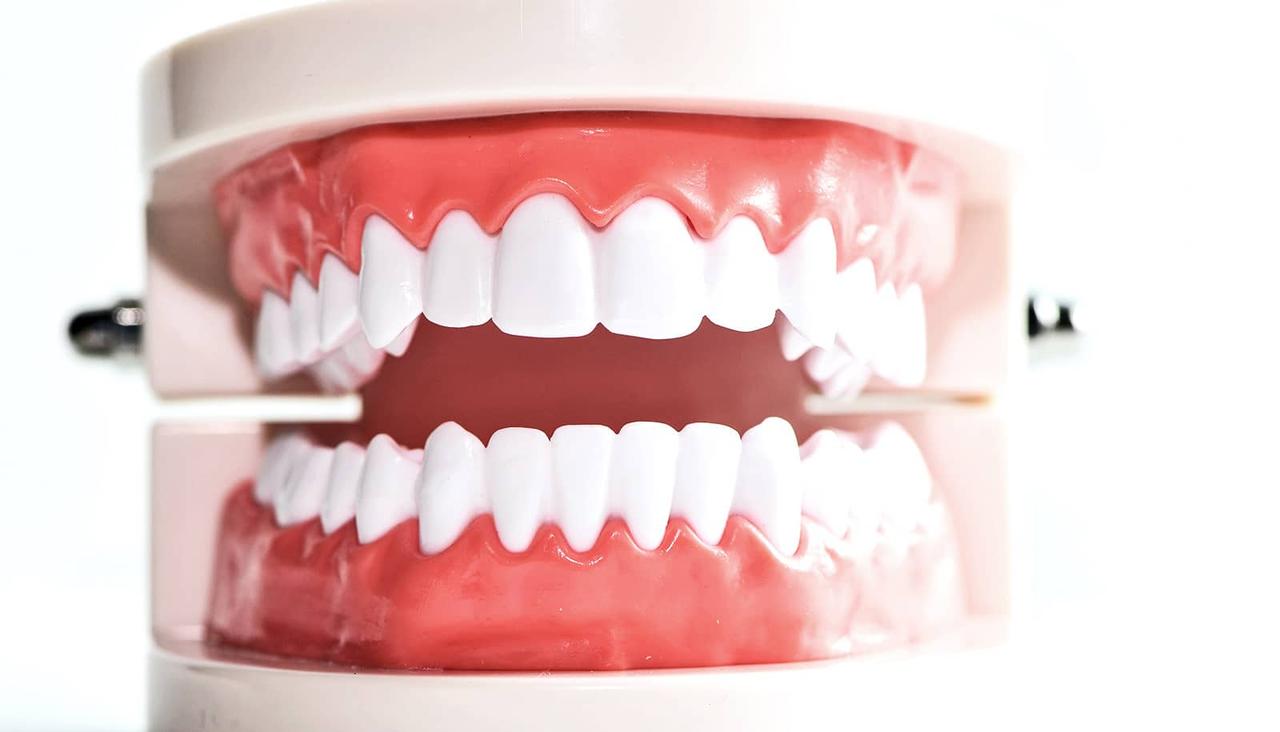
.
Source: Futurity
Wealth and Water Access Emerge as Critical Predictors
Traditional analyses revealed that oral health reflects a complex interplay of socioeconomic, structural, and behavioral factors. Wealth and household density emerged as the strongest predictors of cavity risk across all age groups. Non-white populations showed higher cavity risk, while private dental insurance and recent dental visits provided protective effects
2
.Water source played a particularly critical role in cavity development. Among 12-year-olds, 62.5% without access to fluoridated water had dental cavities—nearly double the 35.5% observed in those with fluoridated water systems. This stark difference underscores how infrastructure decisions directly impact oral health outcomes at the population level
1
.Related Stories
Machine Learning Reveals Hidden Risk Patterns
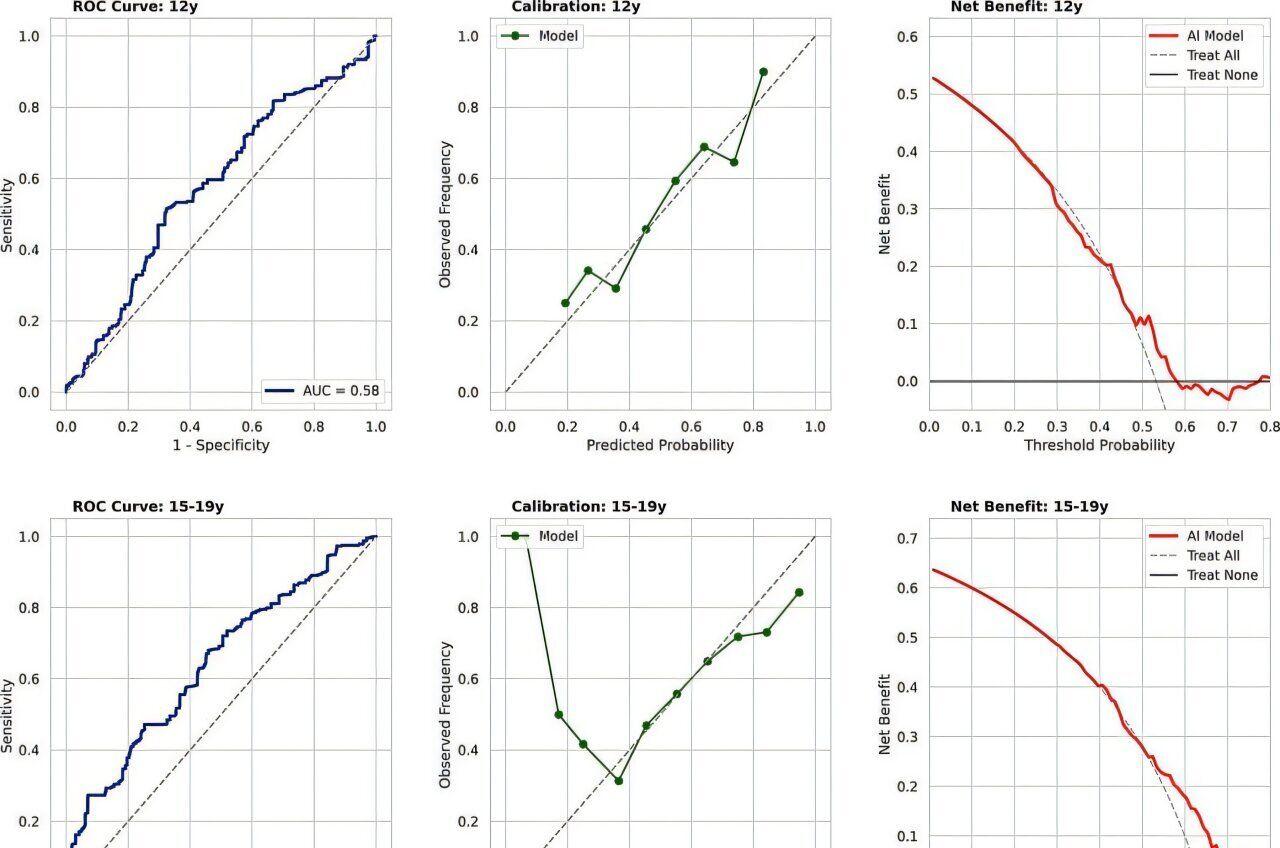
When researchers applied several machine learning algorithms to the dataset, the AI models accurately predicted cavity risk and severity by age group through evaluating relative contributions of different factors. Hugo emphasizes that integrating machine learning goes beyond merely predicting cavity risk: "Our machine learning approach acts as a high-resolution sensor that identifies individuals whose profiles signal a heightened risk that would otherwise be invisible within community averages"
2
.
Source: Medical Xpress
This AI-enabled approach addresses the complexity and multidimensional interactions between social determinants that traditional measures often mask, providing public health officials with actionable insights for resource allocation
1
.Expanding to US Data for Tailored Prevention Strategies
The researchers note their findings may translate to other middle-income countries, though local factors including access to dental care would likely shift the variables explaining cavity risk in different contexts. Hugo and colleagues are preparing to replicate this analysis using US data from the National Health and Nutrition Examination Survey to develop tailored prevention strategies
2
."When we think about public health and preventive interventions, we need to be accountable to society and make the best use of the resources we have. A more targeted approach helps us optimize resources—essentially, getting more bang for our buck," Hugo explains. This AI-driven methodology could reshape how preventive healthcare resources are allocated globally, ensuring dental cavities—the most common health condition affecting billions worldwide—receive more effective intervention
1
.References
Summarized by

Navi
[1]
[2]
Related Stories
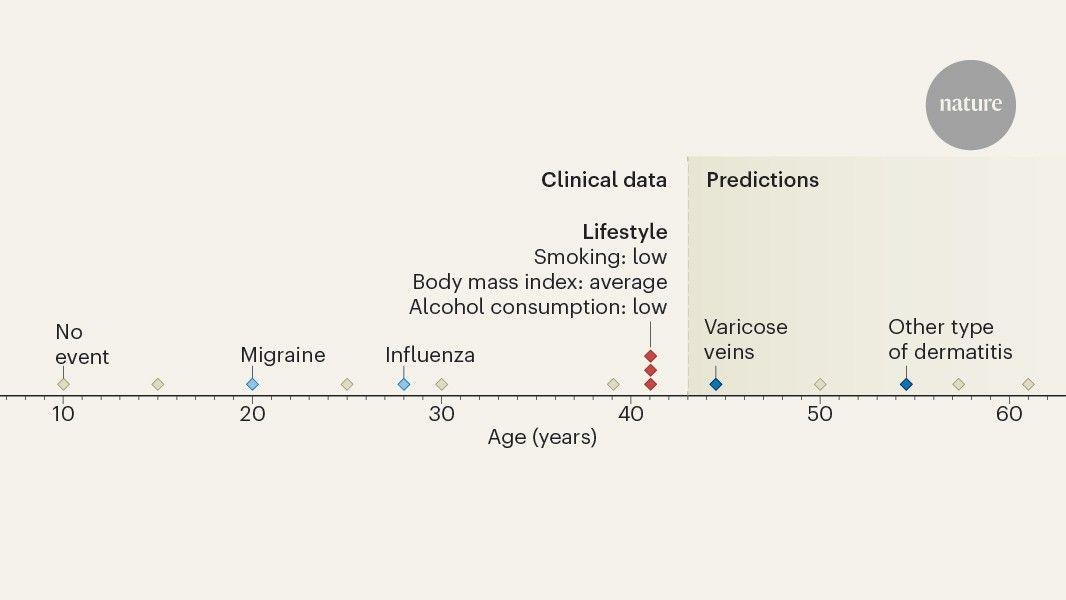
AI Model Predicts Future Health Risks for Over 1,000 Diseases
17 Sept 2025•Science and Research

AI Model Unlocks Hidden Health Risks in Routine Sleep Studies, Doubles Mortality Prediction Accuracy
03 Aug 2026•Health

AI-Enhanced ECG and CT Scans Revolutionize Cardiovascular Risk Prediction
06 Nov 2024•Health

Recent Highlights



Recent Highlights
Today's Top Stories








Don’t drown in AI news. We cut through the noise - filtering, ranking and summarizing the most important AI news, breakthroughs and research daily. Follow topics that matter to you and stay ahead.


