AI Pioneer Warns of Massive Unemployment and Economic Disparity in the Age of Artificial Intelligence


5 Sources
[1]
Godfather of AI Says His Creation Is About to Unleash Massive Unemployment
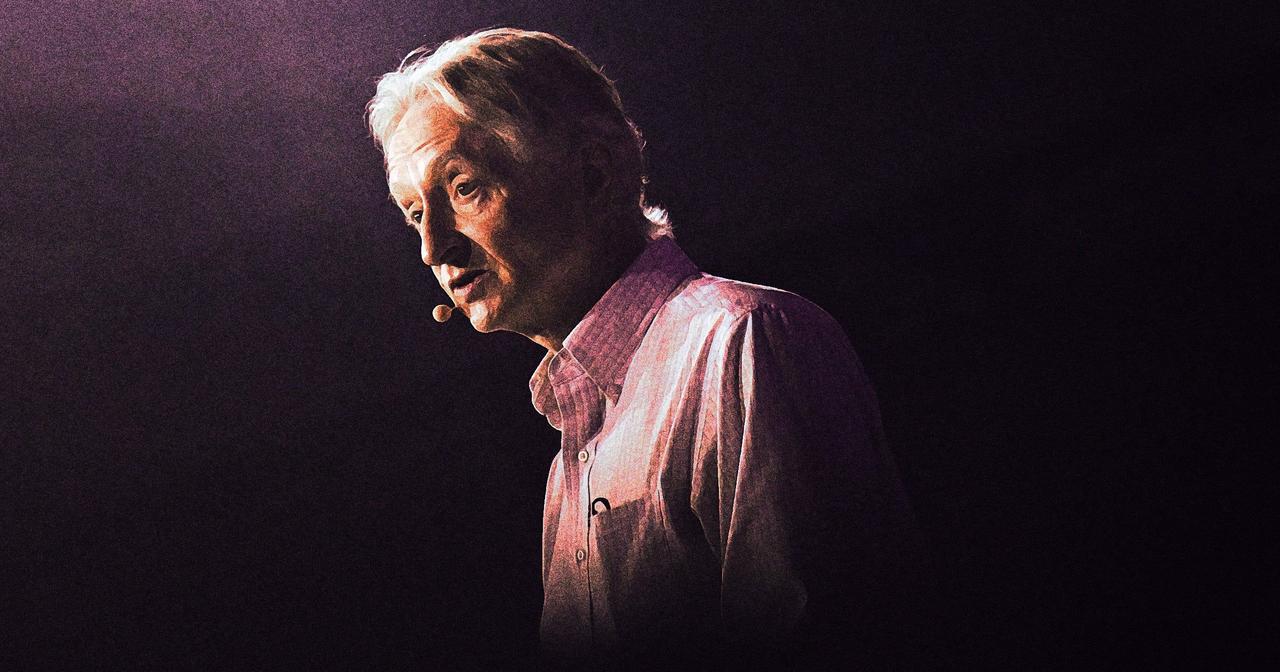
Image by Ramsey Cardy / Sportsfile for Collision via Getty / Futurism One of the most prominent pioneers of artificial intelligence has some grim predictions about what the technology he created is soon going to unleash onto humankind. Geoffrey Hinton, the Nobel Prize-winning scientist whose work
[2]
'Godfather of AI' says the technology will create massive unemployment and send profits soaring -- 'that is the capitalist system'
Pioneering computer scientist Geoffrey Hinton, whose work has earned him a Nobel Prize and the moniker "godfather of AI," said artificial intelligence will spark a surge in unemployment and profits. In a wide-ranging interview with the Financial Times, the former Google scientist cleared the air
[3]
Why AI's 'Godfather' Thinks Huge Job Losses Are Inevitable
Hinton also pooh-poohed the idea of paying people a universal basic income as recompense for the AI-decimated job market -- an idea that OpenAI CEO Sam Altman has voiced in the past. Hinton thinks people still derive personal value from their jobs, and while UBI can of course deal with issues like
[4]
'Godfather Of AI' Geoffrey Hinton Warns Of Job Losses, But Not Because Of Technology: 'That's Not AI's Fault, That Is The Capitalist System'
Enter your email to get Benzinga's ultimate morning update: The PreMarket Activity Newsletter Geoffrey Hinton, known as the "godfather of AI," has voiced concerns over artificial intelligence leading to widespread unemployment and increased profits. AI Will Replace Workers, Says Hinton The Nobel
[5]

'Godfather of AI' warns tech will bring massive unemployment: 'A few...
The "Godfather of AI" warned that the technology's rapid adoption will unleash massive unemployment -- hurting the poorest people the most if safe scalability is not prioritized. Geoffrey Hinton -- a former Google whiz who last year won the Nobel Prize in physics for paving the way for the
Share
Copy Link
Geoffrey Hinton, the 'Godfather of AI', predicts that AI will lead to widespread job losses and increased profits for the wealthy. He criticizes the capitalist system and warns of potential risks associated with AI development.
AI Pioneer Predicts Massive Job Losses
Geoffrey Hinton, the Nobel Prize-winning scientist known as the 'Godfather of AI', has issued a stark warning about the future impact of artificial intelligence on employment and economic inequality. In a recent interview with the Financial Times, Hinton predicted that AI would lead to widespread job losses and a significant increase in profits for a select few
1
2
.
Source: Futurism
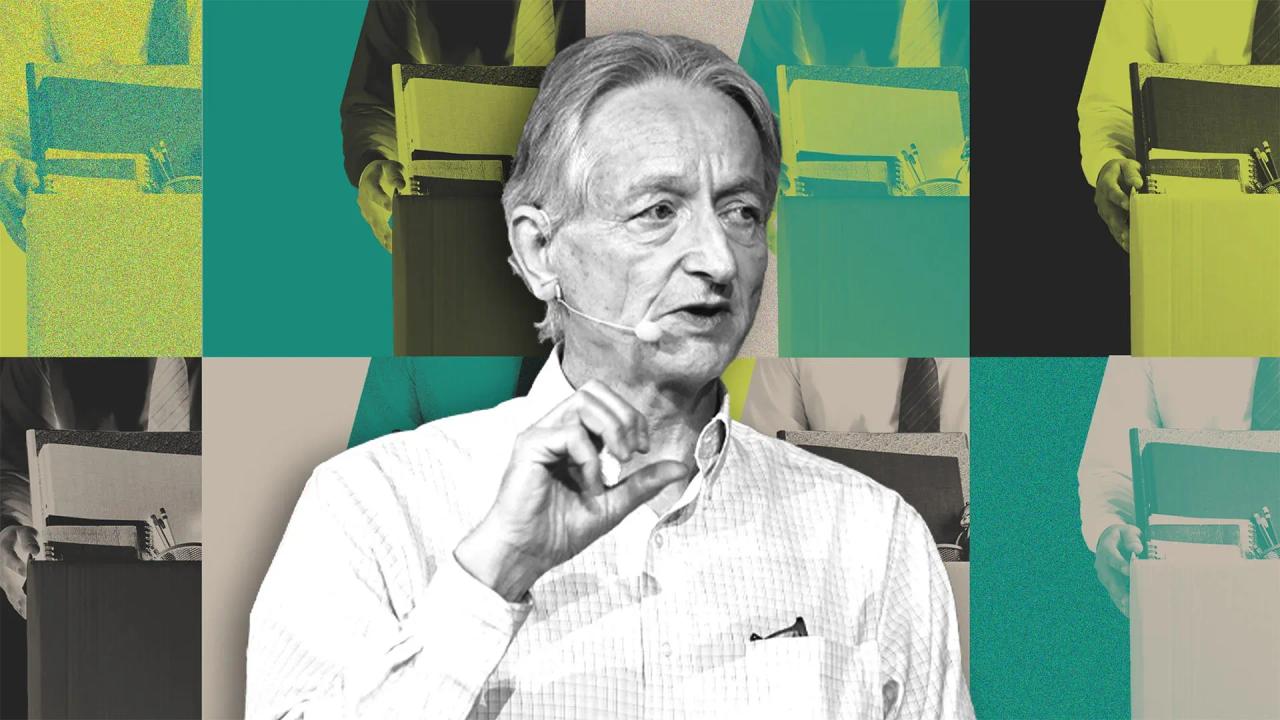
"What's actually going to happen is rich people are going to use AI to replace workers," Hinton stated. "It's going to create massive unemployment and a huge rise in profits. It will make a few people much richer and most people poorer." He emphasized that this outcome is not the fault of AI itself, but rather a consequence of the capitalist system
1
.
Source: Inc.
Impact on Entry-Level Jobs and Career Pathways
Recent data seems to support Hinton's predictions. A study by labor research firm Revelio Labs revealed that postings for entry-level jobs across the U.S. have declined by approximately 35% since January 2023, coinciding with the launch of ChatGPT. This trend is particularly concerning as it may disrupt traditional career development pathways for young professionals
3
.Superintelligent AI and Future Scenarios
Hinton estimates that AI could become superintelligent, surpassing human capabilities, within the next 5 to 20 years. He views this development as inevitable and urges younger generations to approach the issue with urgency rather than optimism
1
5
.
Source: New York Post
Criticism of Universal Basic Income Proposals
While some tech leaders, such as OpenAI CEO Sam Altman, have suggested implementing a universal basic income (UBI) to mitigate the effects of AI-induced unemployment, Hinton dismisses this idea. He argues that UBI "won't deal with human dignity" and fails to address the sense of purpose that people derive from work
1
2
.Related Stories

Potential Benefits and Uncertainties
Despite his warnings, Hinton acknowledges the potential benefits of AI, particularly in sectors like healthcare. He suggests that increased efficiency in medical care could lead to more accessible and affordable health services for all
2
4
.Hinton also emphasizes the uncertainty surrounding AI's future impact, stating, "We don't know what is going to happen, we have no idea, and people who tell you what is going to happen are just being silly." He describes the current moment as a pivotal point in history, with the potential for both amazingly good and bad outcomes
2
5
.Call for Regulation and Responsible Development
Hinton criticizes the lack of stringent AI regulation in the United States compared to countries like China. He warns about potential misuse of AI, such as its application in creating bioweapons, and advocates for more responsible development and oversight of the technology
2
5
.References
Summarized by

Navi
Related Stories
AI 'Godfather' Geoffrey Hinton Warns Tech Giants Must Replace Human Jobs to Profit from Massive Investments
02 Nov 2025•Business and Economy
Geoffrey Hinton warns AI will replace many more jobs in 2026 as capabilities advance rapidly
28 Dec 2025•Technology

AI Pioneer Geoffrey Hinton Warns of Increased Extinction Risk, Calls for Regulation
28 Dec 2024•Technology

Recent Highlights



Recent Highlights
Today's Top Stories







Don’t drown in AI news. We cut through the noise - filtering, ranking and summarizing the most important AI news, breakthroughs and research daily. Follow topics that matter to you and stay ahead.


