AI-Powered Black Friday Scams Surge as Cybercriminals Exploit Holiday Shopping Rush


3 Sources
[1]
Cybercriminals are preparing for Black Friday with new AI-powered scams and attacks -- how to shop safely this year
At this point, AI is unavoidable in day-to-day life and according to new data from the cybersecurity firm Kaspersky, 72% of consumers have used AI and a third of them rely on it for everyday tasks like creating shopping lists and budgeting. You may not even think that you've relied on an AI for
[2]
Scammers using AI-generated ads on social media, making it harder to spot fakes
They may look like deals from your favorite retailer or even like a celebrity endorses them, but before you click to buy this holiday season, beware. Experts warn that scammers are increasingly using AI to generate ads on social media, which is making it harder to spot a fake. These videos are
[3]
Beware These Black Friday Shopping Scams
Watch out for sales that sound urgent or seem too good to be true. Holiday shopping season is ripe for scammers, as consumers rush to find and take advantage of some of the best discounts of the year, and potentially overlook red flags that signal fraud. Security researchers are warning of an
Share
Copy Link
Cybercriminals are leveraging AI technology to create sophisticated Black Friday scams, including deepfake celebrity endorsements and spoofed websites. Security experts warn shoppers to be extra cautious as these AI-generated threats become increasingly difficult to detect.
The Rise of AI-Powered Holiday Scams
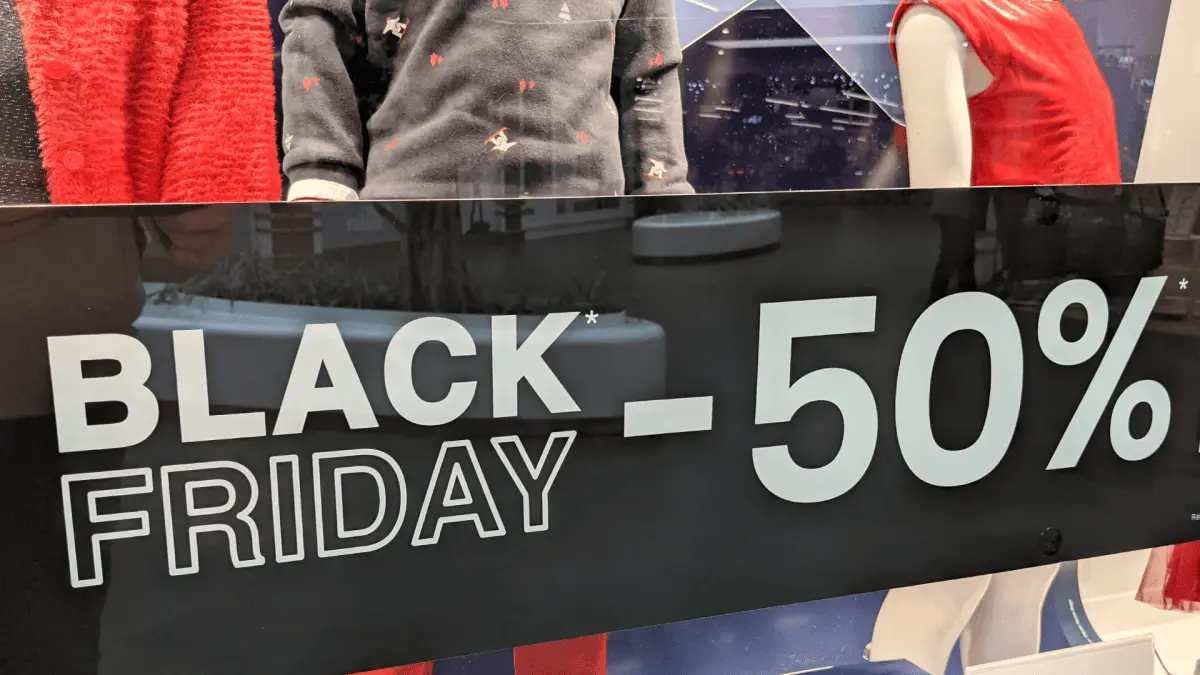
As Black Friday approaches, cybersecurity experts are sounding alarms about a new generation of AI-powered scams targeting holiday shoppers. According to Kaspersky, 72% of consumers now use AI tools for various tasks, including creating shopping lists and hunting for deals, making them prime targets for sophisticated cybercriminal operations
1
.
Source: Lifehacker
The integration of AI into shopping has created new vulnerabilities. Shoppers increasingly rely on AI assistants for price comparisons and automated purchasing, with some even delegating complete shopping tasks to agentic AI systems. However, this technological convenience has opened doors for threat actors who exploit these same tools to create convincing scams
1
.Deepfakes and Celebrity Impersonation Scams
One of the most concerning developments is the use of deepfake technology to create fraudulent celebrity endorsements. These AI-generated videos feature realistic impersonations of influencers and celebrities promoting fake products or giveaways on social media platforms
2
. Earlier this year, scammers used Taylor Swift's AI-generated likeness to promote a fake cookware giveaway, demonstrating the sophistication of these attacks2
.McAfee's research reveals that nearly half of Americans have encountered AI-powered scams while shopping, with one in five people reporting that they or someone they know has fallen victim to deepfake scams in the past year
2
3
. The fear of these scams has become so pervasive that 40% of consumers have abandoned holiday purchases due to security concerns2
.Sophisticated Website Spoofing
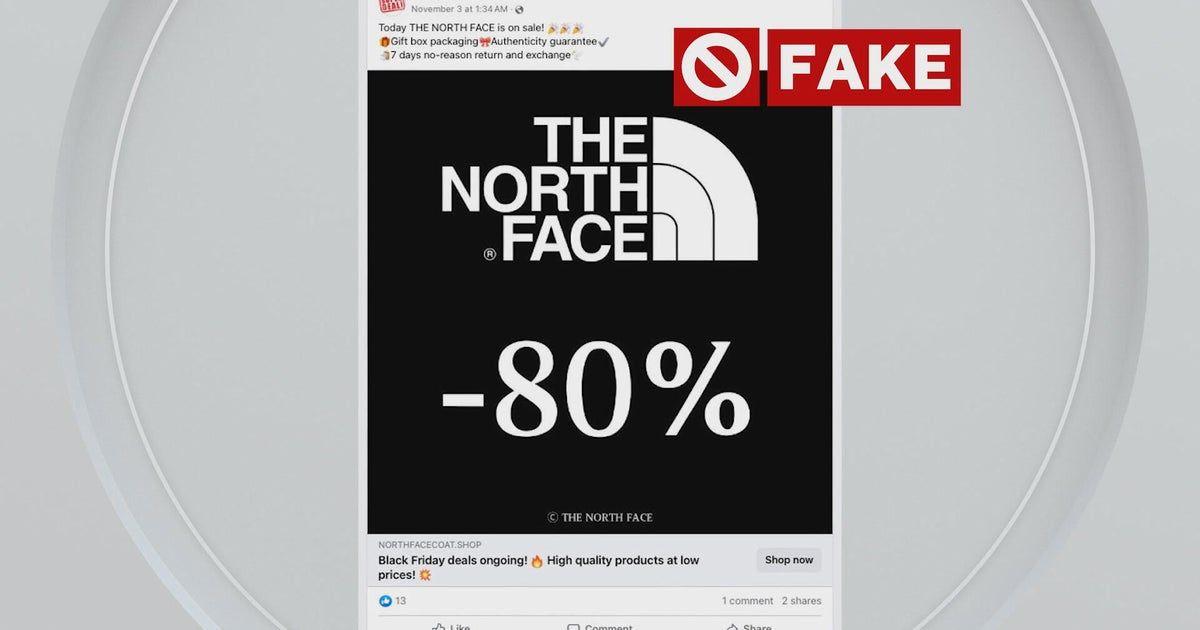
AI technology has also revolutionized the creation of spoofed websites. Cybercriminals now use AI to generate convincing fake retail sites complete with stolen logos, product photos, customer service pages, and fabricated consumer reviews
3
. These counterfeit sites often differ from legitimate retailers by only minor URL variations, such as a misplaced period or altered letter, making them extremely difficult to detect2
.
Source: CBS
Threat actors can also employ prompt injection techniques to manipulate AI models, redirecting users to malicious websites where personal information and payment details can be harvested
1
. This represents a significant evolution from traditional phishing emails, as the attacks now leverage the very AI tools that consumers trust.Related Stories

Expert Safety Recommendations
Security researchers have developed specific strategies to combat AI-powered shopping scams. Kaspersky experts recommend using detailed, specific prompts when interacting with AI shopping assistants rather than general requests. For example, instead of asking for "good deals on computers," users should specify: "Act as my trusted personal shopping assistant. Find three laptops from major, reputable retailers like Apple, Amazon or Dell with an average customer review of four stars or higher"
1
.Experts also advise against granting AI assistants access to payment details or browser extensions unless from highly reputable companies. Multi-factor authentication should be enabled on all accounts, and credit cards should be used for their enhanced fraud protection features
1
.Shoppers should manually verify URLs and navigate directly to official retailer websites rather than clicking sponsored search results or links from emails and social media. Any deal that seems too good to be true, particularly those offering 80-90% discounts or expensive freebies, should be treated with extreme suspicion
2
3
.References
Summarized by

Navi
[1]
[3]
Related Stories
AI-Powered Scams on the Rise: How to Protect Yourself This Holiday Season
18 Dec 2024•Technology

AI scams cost victims $442 billion globally as deepfakes and voice cloning make fraud harder to detect
15 Jun 2026•Technology
AI-Powered Social Engineering: The Rising Threat of Sophisticated Scams
26 Aug 2025•Technology
Recent Highlights



Recent Highlights
Today's Top Stories









Don’t drown in AI news. We cut through the noise - filtering, ranking and summarizing the most important AI news, breakthroughs and research daily. Follow topics that matter to you and stay ahead.


