AI Revolutionizes Heart Disease Detection: From ECGs to Hidden Conditions


6 Sources
[1]
AI Can Spot Lurking Heart Condition
Artificial intelligence can detect cardiac amyloidosis from a short video of a heartbeat, according to new research in the European Heart Journal. Cardiac amyloidosis results when misshaped or misfolded proteins lodge throughout the heart, forcing it to work harder to pump blood. The condition can
[2]
AI-powered ECG model outperforms doctors in detecting hidden heart disease
By Vijay Kumar MalesuReviewed by Susha Cheriyedath, M.Sc.Jul 21 2025 A breakthrough AI model can spot silent structural heart disease from a simple ECG, promising to catch dangerous conditions earlier, streamline patient care, and close the diagnostic gap missed by traditional screening. Study:
[3]
AI beats docs at identifying patients likely to die of cardiac arrest
A new AI model is much better than doctors at identifying patients likely to experience cardiac arrest. The linchpin is the system's ability to analyze long-underused heart imaging, alongside a full spectrum of medical records, to reveal previously hidden information about a patient's heart
[4]
AI tool spots hidden heart disease using routine electrocardiogram data
With the help of artificial intelligence (AI), an inexpensive test found in many doctors' offices may soon be used to screen for hidden heart disease. Structural heart disease, including valve disease, congenital heart disease, and other issues that impair heart function, affects millions of
[5]
AI can identify hidden heart valve defects from a patient's EKG
An AI algorithm could help to predict which patients might develop significant heart problems years in advance, just based on EKG readings. In a study published in the European Heart Journal, researchers found that their AI could spot very early changes in the heart's structure from an EKG, a
[6]

Exclusive | New AI tool can detect 'hidden' heart disease 77% of the time,...
This new AI heart disease detector can't be beat. Structural heart disease (SHD) refers to defects in the heart's valves, wall or chambers that are present at birth or develop over time. These abnormalities can impair the heart's ability to pump blood effectively. SHD is sometimes described as
Share
Copy Link
Artificial intelligence models are transforming cardiac diagnostics, outperforming traditional methods in detecting various heart conditions from routine ECG data, promising earlier interventions and improved patient outcomes.
AI Surpasses Human Experts in Cardiac Diagnostics
Artificial intelligence (AI) is revolutionizing the field of cardiology, with new models demonstrating superior capabilities in detecting various heart conditions compared to traditional diagnostic methods. Recent studies have shown that AI-powered tools can identify hidden heart diseases from routine electrocardiograms (ECGs), outperforming human experts and potentially transforming patient care
1
2
3
.Detecting Cardiac Amyloidosis
Source: Medscape
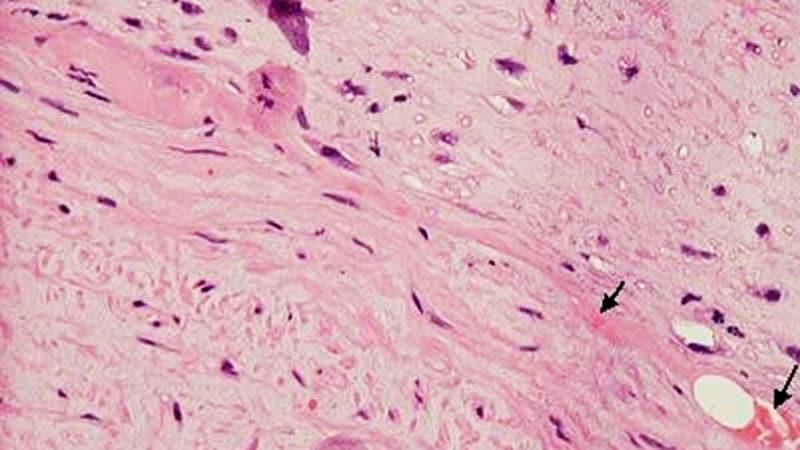
Researchers have developed an AI model that can detect cardiac amyloidosis, a condition where misfolded proteins accumulate in the heart, from a short video of a heartbeat. The model, known as EchoGo Amyloidosis, achieved an impressive area under the receiver-operating characteristic curve (AUROC) of 0.93, with 85% sensitivity and 93% specificity
1
. This technology could significantly reduce diagnostic delays, which are common in amyloidosis cases and often lead to poorer outcomes.AI-Enhanced ECG Analysis for Structural Heart Disease

Source: Medical Xpress
A groundbreaking AI model called EchoNext has demonstrated the ability to detect structural heart diseases (SHDs) from standard ECG data. In a study involving over 1.2 million paired ECG-echocardiogram records, EchoNext achieved an AUROC of 85% for composite SHD detection
2
. The model outperformed cardiologists in a head-to-head comparison, correctly identifying 77% of structural heart problems compared to the doctors' 64% accuracy rate4
.Predicting Cardiac Arrest Risk
Another AI model has shown superior performance in identifying patients at risk of cardiac arrest. This system analyzes long-underused heart imaging alongside comprehensive medical records to reveal hidden information about a patient's heart health. The model achieved 89% accuracy across all patients and 93% accuracy for those aged 40 to 60, significantly outperforming current clinical guidelines
3
.Early Detection of Valve Defects

Source: Medical Xpress
Researchers have also developed an AI algorithm that can predict the development of significant heart valve problems years in advance, based solely on ECG readings. The model can accurately identify the risk of leaky heart valves in 69%-79% of cases, with high-risk individuals being up to 10 times more likely to develop these conditions
5
.Related Stories



Implications for Patient Care
These AI advancements have the potential to revolutionize cardiac care by enabling earlier interventions and more targeted treatments. For instance, the EchoNext model identified over 7,500 individuals at high risk of undiagnosed structural heart disease in a real-world deployment involving 85,000 patients
4
. This early detection could lead to timely interventions and improved patient outcomes.Challenges and Future Directions
While these AI models show great promise, their integration into clinical practice still faces challenges. Prospective clinical trials are needed to validate their effectiveness in real-world settings. Additionally, ensuring the generalizability of these models across diverse populations and healthcare systems remains a priority for researchers
2
5
.As AI continues to evolve, it holds the potential to create new screening paradigms for heart disease, potentially saving lives and reducing unnecessary medical interventions. The ongoing development and refinement of these technologies may soon lead to more widespread adoption in clinical settings, ushering in a new era of precision cardiology.
References
Summarized by

Navi
[1]
[4]
[5]
Related Stories
Recent Highlights



Recent Highlights
Today's Top Stories










Don’t drown in AI news. We cut through the noise - filtering, ranking and summarizing the most important AI news, breakthroughs and research daily. Follow topics that matter to you and stay ahead.


