AI-Powered Smart Glasses: A Potential Game-Changer in Preventing Medication Errors


2 Sources
[1]
Medical errors are still harming patients. AI could help change that.
Despite these attempts, medication mistakes still occur with alarming regularity. "I had read some studies that said basically 90% of anesthesiologists admit to having a medication error at some point in their career," said Dr. Kelly Michaelsen, Wiederspan's colleague at UW Medicine and an
[2]
Can AI-Powered Smart Glasses Help Spot Medication Errors? | PYMNTS.com
Every day, someone dies from getting the wrong medication or improper dosages of the right one. Now, researchers at the University of Washington (UW) are working on ways to solve this problem in part by using artificial intelligence (AI), NBC News reported Sunday (May 25). Dr. Kelly Michaelsen,
Share
Copy Link
Researchers at the University of Washington have developed AI-powered smart glasses that can detect medication errors with 99.6% accuracy, potentially revolutionizing patient safety in healthcare settings.
AI-Powered Smart Glasses: A New Frontier in Patient Safety
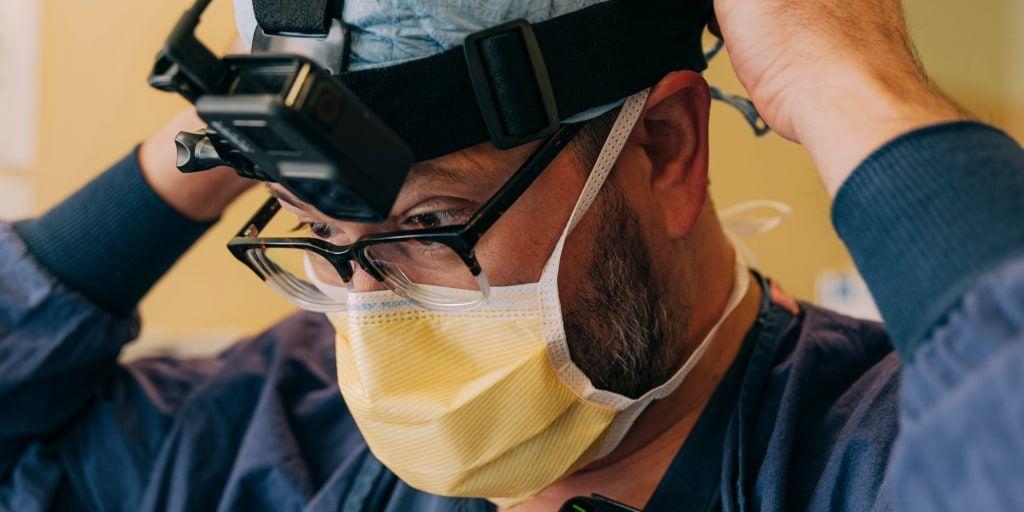
In a groundbreaking development, researchers at the University of Washington have created AI-powered smart glasses that could significantly reduce medication errors in healthcare settings. This innovation comes as a response to the alarming frequency of medical mistakes that continue to harm patients, despite ongoing efforts to improve safety protocols
1
.
Source: NBC
The Problem: Persistent Medication Errors
Medical errors, particularly those involving medication, remain a serious concern in healthcare. Dr. Kelly Michaelsen, an assistant professor of anesthesiology and pain medicine at the University of Washington, noted that approximately 90% of anesthesiologists admit to having made a medication error at some point in their career
1
. These mistakes can have devastating consequences, as evidenced by a tragic incident at Vanderbilt University Medical Center where a patient died due to a vial swap error1
.AI Solution: Smart Eyewear for Error Detection
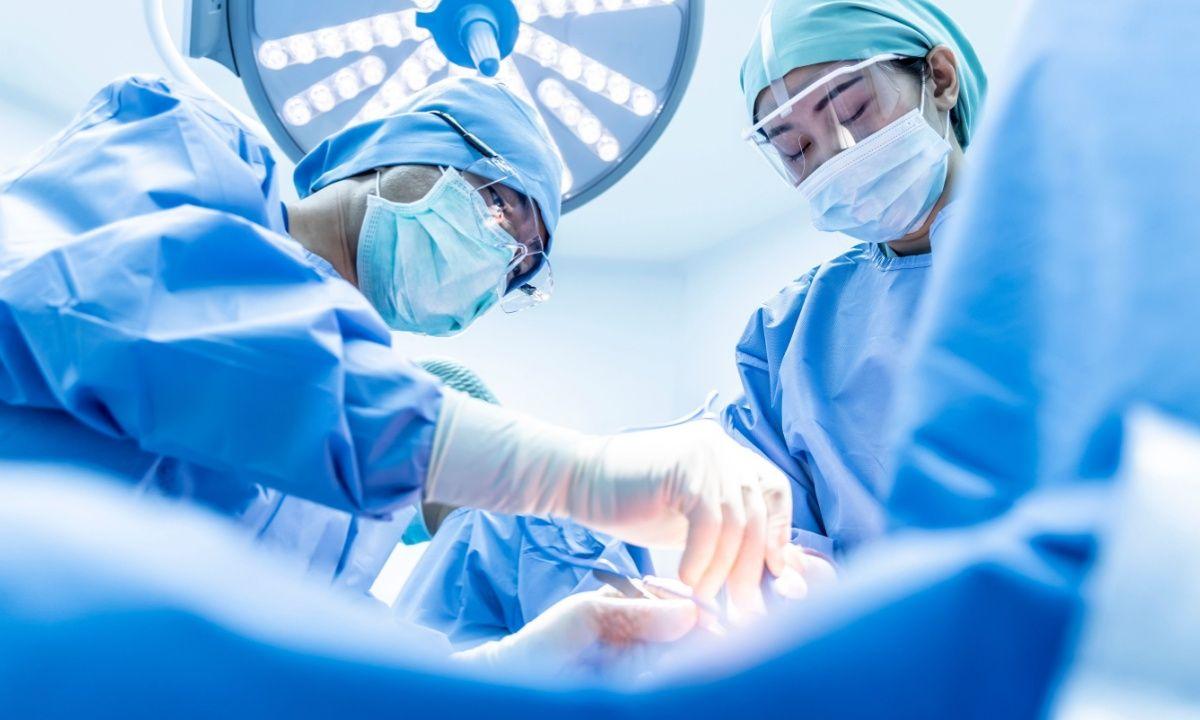
Dr. Michaelsen and her team developed a system that integrates AI-powered cameras into the protective eyewear worn by medical staff during operations. This smart eyewear can:
- Scan the immediate environment for syringe and vial labels
- Read and interpret the labels
- Detect mismatches between syringe and vial contents
The system focuses particularly on vial swap errors, which account for about 20% of all medication mistakes
1
2
.Development and Testing Process
The development of this AI-powered device took over three years and involved several key steps:
- Obtaining approval to use prerecorded video streams of correct medication preparation in operating rooms
- Training the AI on this data and additional footage of simulated mistakes
- Rigorous testing to ensure high accuracy and minimize false alarms
Source: PYMNTS
Related Stories



Impressive Results and Future Prospects
In a study published late last year, the AI-powered smart glasses demonstrated an impressive 99.6% accuracy in detecting vial swap errors
1
2
. This high level of precision is crucial in addressing the issue of alarm fatigue in operating rooms, ensuring that warnings are reliable and actionable.The next steps for this technology include:
- Determining the most effective way to relay warning messages
- Obtaining Food and Drug Administration (FDA) clearance for real-world use
It's worth noting that this study was not funded by AI tech companies, maintaining its independence and credibility
1
.Broader Implications for Healthcare
The potential impact of AI in healthcare extends beyond medication error prevention. For instance, AI solutions are being explored to improve hospital billing accuracy and efficiency. Dr. Michael Gao, co-founder and CEO of SmarterDx, suggests that AI can help hospitals "achieve 100% accuracy on 100% of charts" by matching clinical care data against financial information
2
.As AI continues to evolve, its integration into various aspects of healthcare promises to enhance patient safety, improve operational efficiency, and potentially save lives. The development of these AI-powered smart glasses represents a significant step forward in leveraging technology to address persistent challenges in medical practice.
References
Summarized by

Navi
Related Stories
Recent Highlights



Recent Highlights
Today's Top Stories



Don’t drown in AI news. We cut through the noise - filtering, ranking and summarizing the most important AI news, breakthroughs and research daily. Follow topics that matter to you and stay ahead.


