AI-Driven Drug Discovery Accelerates as FDA Pushes to Reduce Animal Testing


4 Sources
[1]
AI-driven drug discovery picks up as FDA pushes to reduce animal testing
Sept 2 (Reuters) - Drug developers are increasing adoption of AI technologies for discovery and safety testing to get faster and cheaper results, in line with an FDA push to reduce animal testing in the near future. Within the next three to five years, using AI and cutting back on animal testing
[2]
AI-Driven Drug Discovery Picks up as FDA Pushes to Reduce Animal Testing
Within the next several years, using AI and cutting back on animal testing could reduce drug timelines and costs by at least half. Drug developers are increasing adoption of AI technologies for discovery and safety testing to get faster and cheaper results, in line with an FDA push to reduce
[3]
AI-driven drug discovery picks up as FDA pushes to reduce animal testing - The Economic Times
Drug development software maker Certara, and biotechs such as Schrodinger and Recursion Pharmaceuticals are already using AI to predict how experimental drugs might be absorbed, distributed, or trigger toxic side effects.Drug developers are increasing adoption of AI technologies for discovery and
[4]
AI-driven drug discovery picks up as FDA pushes to reduce animal testing
Drug developers are increasing adoption of artificial intelligence (AI) technologies for discovery and safety testing to get faster and cheaper results, in line with an FDA push to reduce animal testing in the near future. Within the next three to five years, using AI and cutting back on animal
Share
Copy Link
Drug developers are increasingly adopting AI technologies for discovery and safety testing, aligning with FDA's push to reduce animal testing. This shift could potentially halve drug development timelines and costs within the next few years.
AI Revolutionizes Drug Discovery and Testing
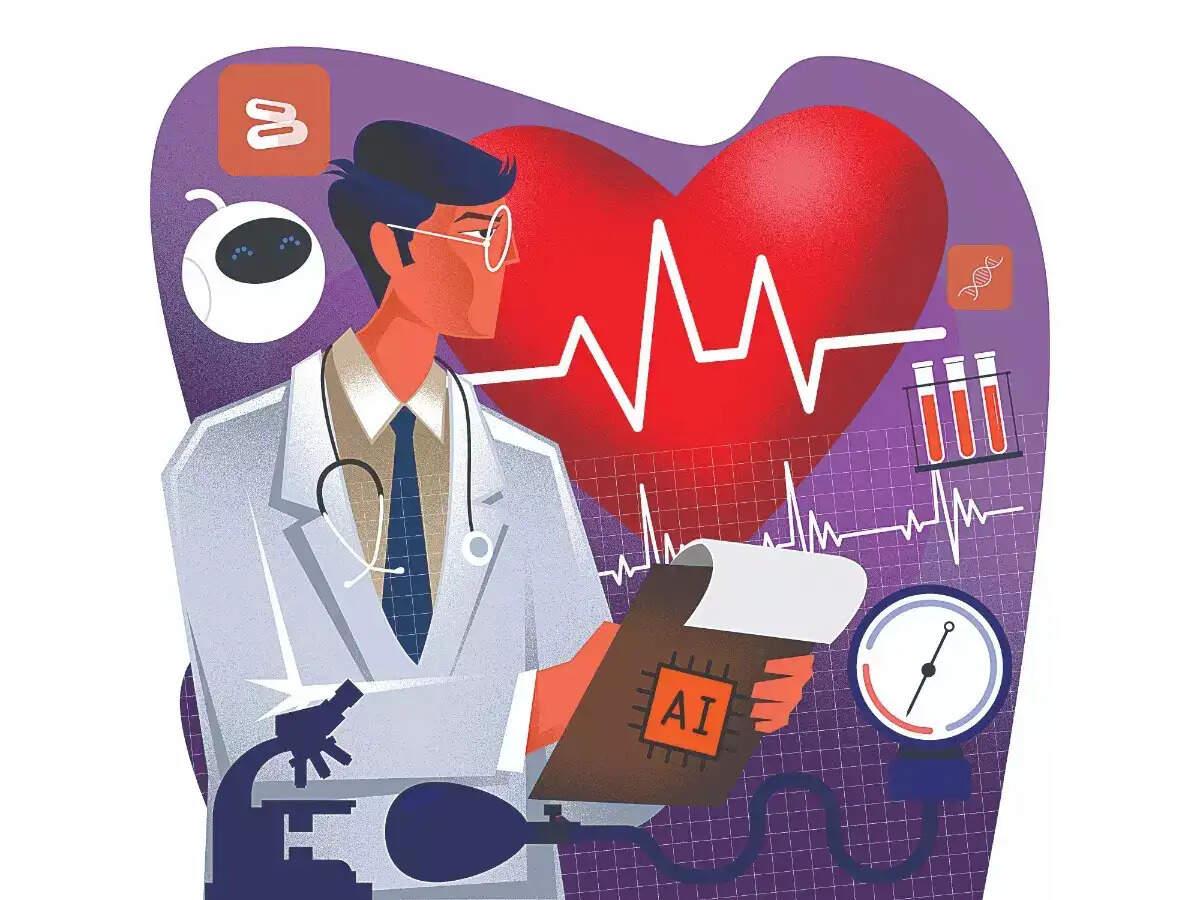
In a significant shift for the pharmaceutical industry, drug developers are increasingly turning to artificial intelligence (AI) technologies for discovery and safety testing. This move aligns with the U.S. Food and Drug Administration's (FDA) push to reduce animal testing in the near future, potentially transforming the landscape of drug development
1
2
3
4
.
Source: ET
Dramatic Reduction in Time and Costs
According to experts from contract research firms, biotech companies, and brokerages, the adoption of AI and reduction in animal testing could slash drug development timelines and costs by at least half within the next three to five years
1
2
. This represents a dramatic improvement over current estimates, which suggest it takes up to 15 years and $2 billion to bring a drug to market1
3
.AI's Current Applications in Drug Development
Several companies are already leveraging AI in their drug development processes:
- Certara: Uses AI to predict drug absorption, distribution, and potential side effects
1
2
3
. - Schrodinger: Combines physics-based simulations with AI for drug toxicology prediction
1
3
. - Recursion Pharmaceuticals: Their AI-based platform moved a cancer drug candidate into clinical testing in just 18 months, significantly faster than the industry average of 42 months
1
2
3
.
FDA's Vision and New Approach Methodologies
Source: BNN
The FDA envisions AI-driven technologies, human cell models, and computational models becoming the new standard for pre-clinical safety and toxicity testing
1
2
. This aligns with the development of "new approach methodologies" (NAMs), which include:- AI and machine learning
- Computer-based modeling
- Human-based models like organs-on-chips
Charles River, a major research contractor, has already generated about $200 million in annual revenue from its NAM portfolio
1
3
.Related Stories



Potential Impact on Drug Prices and Animal Testing
The FDA suggests these new approaches could ultimately lead to lower drug prices
1
2
. Currently, animal studies for monoclonal antibodies typically require about 144 non-human primates, costing $50,000 each1
3
. While the new methods are expected to significantly reduce animal testing, experts believe a hybrid approach will be used in the near future1
2
3
.Challenges and Future Outlook
Source: Reuters
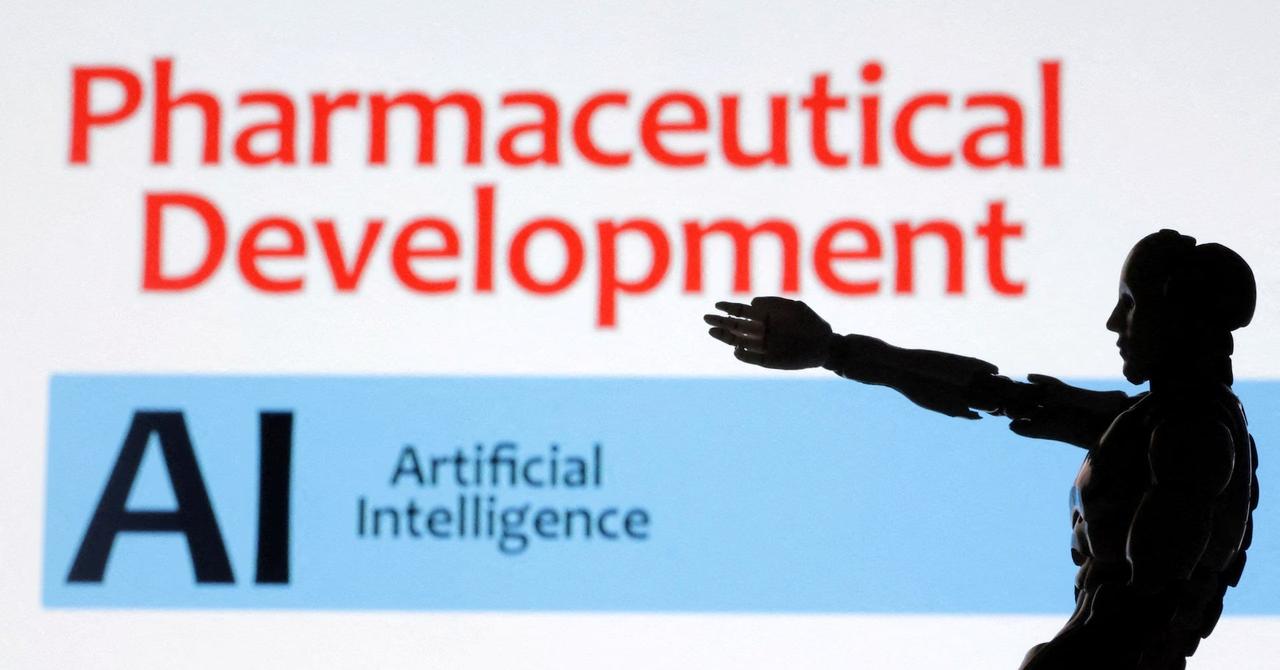
Despite the promising advancements, industry experts caution that these new methods are unlikely to fully replace animal testing in the immediate future
1
2
3
. Brendan Smith, a life sciences and biotech analyst at TD Cowen, notes, "I don't think we'll get to a point immediately, in the near term where all of a sudden, animal testing is gone entirely"1
2
3
4
.As the pharmaceutical industry continues to evolve, the integration of AI and new testing methodologies promises to accelerate drug discovery, potentially bringing life-saving treatments to patients faster and at lower costs.
References
Summarized by

Navi
Related Stories
Recent Highlights



Recent Highlights
Today's Top Stories



Don’t drown in AI news. We cut through the noise - filtering, ranking and summarizing the most important AI news, breakthroughs and research daily. Follow topics that matter to you and stay ahead.


