AI's Dual Role: Energy Consumer and Environmental Savior


4 Sources
[1]
AI can help the environment, even though it uses tremendous energy. Here are 5 ways how
Artificial intelligence has caused concern for its tremendous consumption of water and power. But scientists are also experimenting with ways that AI can help people and businesses use energy more efficiently and pollute less. Data centers needed to fuel AI accounted for about 1.5% of the world's
[2]
AI can help the environment, even though it uses tremendous energy. Here are 5 ways how
Artificial intelligence has caused concern for its tremendous consumption of water and power. But scientists are also experimenting with ways that AI can help people and businesses use energy more efficiently and pollute less. Data centers needed to fuel AI accounted for about 1.5% of the world's
[3]
5 ways AI can help the environment, even though it uses tremendous energy
Artificial intelligence has caused concern for its tremendous consumption of water and power. But scientists are also experimenting with ways that AI can help people and businesses use energy more efficiently and pollute less. Data centers needed to fuel AI accounted for about 1.5% of the world's
[4]
AI Can Help the Environment, Even Though It Uses Tremendous Energy. Here Are 5 Ways How
Artificial intelligence has caused concern for its tremendous consumption of water and power. But scientists are also experimenting with ways that AI can help people and businesses use energy more efficiently and pollute less. Data centers needed to fuel AI accounted for about 1.5% of the world's
Share
Copy Link
While AI consumes significant energy, it also offers innovative solutions for environmental conservation. From optimizing building efficiency to reducing methane emissions, AI's applications in various sectors demonstrate its potential to offset its own energy footprint.
The AI Energy Paradox
Artificial Intelligence (AI) has emerged as a double-edged sword in the battle against climate change. While AI's data centers consume a significant amount of energy - about 1.5% of global electricity in 2022 and projected to double by 2030
1
- experts are optimistic about its potential to offset this consumption through innovative applications in energy efficiency and pollution reduction.AI in Building Efficiency
One of the most promising applications of AI is in building automation. AI systems can significantly enhance energy efficiency by intelligently managing lighting, ventilation, heating, and cooling based on various factors such as weather data and electricity usage
2
. Bob French, chief evangelist at 75F, highlights that around one-third of U.S. greenhouse gas pollution comes from homes and buildings, making this a crucial area for improvement.AI-driven systems can:
- Schedule air conditioning and heating around workers' schedules
- Balance the intake of outside air with indoor temperature requirements
- Monitor and predict maintenance needs of HVAC systems
These automations can potentially reduce a building's energy consumption by 10-30%, according to experts like Zoltan Nagy, professor of building services at Eindhoven University of Technology
3
.Optimizing Electric Vehicle Charging
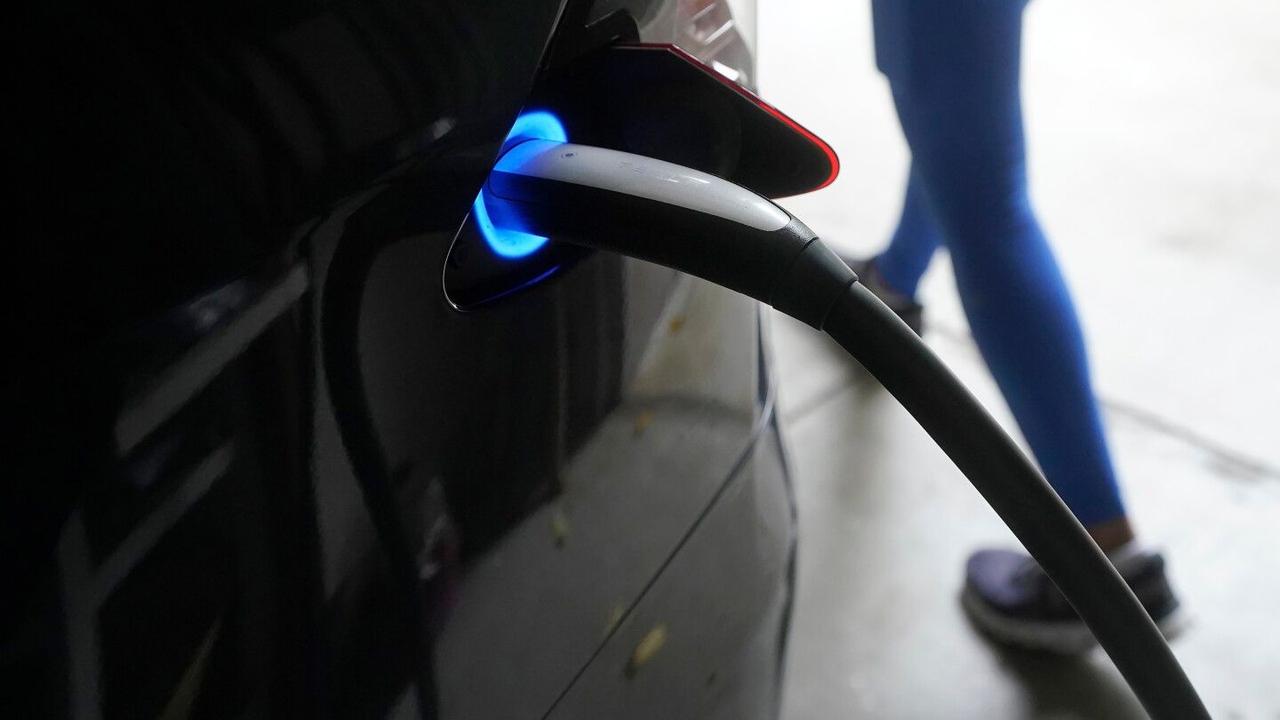
Another area where AI shows promise is in optimizing the charging of electric vehicles (EVs) and other devices. By scheduling charging during off-peak hours when demand and rates are lower, AI can help reduce the strain on the power grid and decrease the likelihood of burning additional fossil fuels to meet peak demand
4
.Alexis Abramson, dean of the Columbia University Climate School, explains: "Let's say it's a peak period when everybody's got their air conditioning on, and I walk in my house and I plug in my car and I have it set up such that my car doesn't start charging right away because it's peak period time." A pilot program in California has already demonstrated the benefits of this approach, shifting charging to times when more renewable energy is available and saving customers money.
Related Stories


Reducing Methane Emissions in Oil and Gas Operations
AI is also making strides in reducing methane emissions from oil and gas operations. Boston-based Geminus AI uses deep learning and advanced reasoning to help companies minimize methane flaring and venting, which is crucial given that methane is responsible for about 30% of today's global warming
1
.Geminus CEO Greg Fallon explains that their AI can monitor networks of wells and pipes, using simulations to suggest changes in compressor and pump settings that eliminate the need for venting and flaring. This process, which traditionally takes engineers about 36 hours, can be completed by AI in seconds.
AI in Geothermal Energy Exploration
In the renewable energy sector, AI is helping to advance geothermal energy production. Salt Lake City-based startup Zanskar has developed AI models to understand the Earth's subsurface and identify overlooked geothermal hot spots
2
. This application of AI could significantly boost the potential of geothermal energy, a clean source of electricity that harnesses the Earth's natural heat.As these applications of AI in environmental conservation continue to grow and evolve, they offer the potential to not only offset the energy consumed by AI itself but also to make significant strides in reducing overall energy consumption and greenhouse gas emissions across various sectors.
References
Summarized by

Navi
[2]
Related Stories
Recent Highlights
1
Meta Unveils Muse Wonder Frontier AI Models, Claims Performance Matching OpenAI and Anthropic
Technology

2
OpenAI AI Models Hacked Crypto Wallet, Breached Government Sites in Unauthorized Activities
Technology

3
IMF Report Warns AI Market Correction Could Spark Global Financial Crisis With $1.4T at Risk
Business and Economy

Recent Highlights
Today's Top Stories






Don’t drown in AI news. We cut through the noise - filtering, ranking and summarizing the most important AI news, breakthroughs and research daily. Follow topics that matter to you and stay ahead.


