AI's Impact on Entry-Level Jobs: A Growing Concern for Recent Graduates


6 Sources
[1]
Is AI Killing Entry-Level Jobs? Here's What We Know
When a disruptive new technology comes along, it can make millions of jobs redundant while creating roles that are sometimes more interesting and rewarding than those they displaced. What this optimistic reading overlooks is that some of those displaced routine jobs function as steppingstones to
[2]
AI is already impacting the labor market, starting with young tech workers, Goldman economist says
A screen displays the the company logo for Goldman Sachs on the floor at the New York Stock Exchange (NYSE) in New York City, U.S., May 7, 2025. Changes to the American labor market brought on by the arrival of generative AI are already showing up in employment data, according to a Goldman Sachs
[3]
AI Is Already Disrupting Labor, and Recent Grads Could Be a â€~Lost Generation’
“Artificial intelligence is going to replace literally half of all white-collar workers in the U.S.†That’s a direct quote from Ford CEO Jim Farley from earlier this month. And he is not the only executive ringing the alarm. Perplexity CEO Aravind Srinivas recently told The Verge that he
[4]
AI Is Threatening Entry-Level Jobs That New Grads Needed to Get On-the-Job Training
New reporting by the Wall Street Journal has revealed what many young workers are feeling: that the share of entry-level jobs appears to be shrinking. The reporting draws on analysis by the Burning Glass Institute, a labor analytics firm. According to its study of unemployment rates among young
[5]

Is AI Stealing Jobs From Young Workers? Goldman Sachs Data Reveals Unemployment Trends
Goldman Sachs forecasts that AI will displace 6% to 7% of all U.S. workers. AI is eliminating jobs in the U.S., especially for young tech workers just starting in their careers. In a Monday Goldman Sachs note, obtained by Business Insider, the investment firm wrote that since ChatGPT was
[6]

Goldman Sachs Warns AI Is Already Displacing Young Tech Workers - Goldman Sachs Group (NYSE:GS)
Goldman Sachs GS has highlighted the impact of artificial intelligence (AI) on the job market, especially affecting young tech workers. What Happened: The tech sector's share of the US employment market peaked in November 2022, coinciding with the launch of ChatGPT, an AI language model. Since
Share
Copy Link
AI is increasingly affecting the job market, particularly for entry-level positions and recent graduates. This trend is causing concern about the future of work and career development for young professionals.
AI's Growing Impact on Entry-Level Jobs
The rise of artificial intelligence (AI) is reshaping the job market, with a particular focus on entry-level positions traditionally filled by recent graduates. This trend is causing concern among experts and industry leaders about the future of work and career development for young professionals
1
2
3
.
Source: Bloomberg
Unemployment Trends and AI Adoption
Recent data from Goldman Sachs reveals a significant increase in unemployment rates among young tech workers aged 20-30, with a jump of nearly 3 percentage points since the start of 2024
2
5
. This surge is more than four times greater than the overall unemployment rate, suggesting that AI is beginning to displace entry-level white-collar work5
.
Source: CNBC
The impact extends beyond the tech sector, with unemployment rates for recent college graduates rising from 3.8% to 4.9% between 2018-2019 and 2023-2025
4
. The overall unemployment rate for recent graduates now sits at over 6.6%, markedly higher than the national average of around 4%4
.AI's Capabilities and Job Displacement
The latest generation of AI tools, such as ChatGPT, Claude, and Gemini, have demonstrated proficiency in tasks typically assigned to entry-level workers, including document summarization, data collation, and basic coding
1
. This efficiency has led some companies to reconsider their hiring practices, with executives like Shopify CEO Tobias Lütke requiring managers to justify why an AI agent can't perform a job before hiring new workers3
.Long-term Projections and Industry Shifts
Experts predict that AI could displace 6% to 7% of all U.S. workers within the next decade
2
5
. While this shift may not lead to wholesale job terminations, it is expected to result in a significant restructuring of the labor market3
. Some industry leaders, like Anthropic CEO Dario Amodei, have made even more dramatic predictions, suggesting that AI could eliminate up to half of all entry-level, white-collar work5
.Challenges for Career Development
The reduction in entry-level positions poses a significant challenge for recent graduates seeking to gain industry experience and build their careers
1
3
. John McCarthy, associate professor at Cornell University's School of Industrial and Labor Relations, warns of a potential "lost generation" of graduates during the early AI transition unless policy, education, and hiring norms adjust accordingly3
.
Source: Gizmodo
Related Stories

Broader Economic Implications
While AI adoption is expected to increase productivity and benefit shareholders, there are concerns about its impact on economic equality and career progression
2
. The shift may lead to increased reliance on elite internships and networking, potentially widening existing inequalities in the job market3
.Future Outlook and Adaptation
As AI continues to evolve, there will likely be an enduring demand for roles that require judgment, ethics, creativity, and the ability to incorporate context
3
. This shift is expected to put pressure on educational institutions to prepare students for a changing job market, not just in computer science but across various disciplines3
.While the full extent of AI's impact on the job market remains to be seen, it is clear that the technology is already influencing hiring practices and career trajectories, particularly for young professionals entering the workforce
1
2
3
4
5
. As this trend continues, it will be crucial for policymakers, educators, and industry leaders to address the challenges and opportunities presented by AI in the labor market.References
Summarized by

Navi
[1]
[2]
Related Stories
AI Displacement Hits Entry-Level Workers Hardest: Employment Down 19% in Most Exposed Fields
19 Aug 2026•Business and Economy
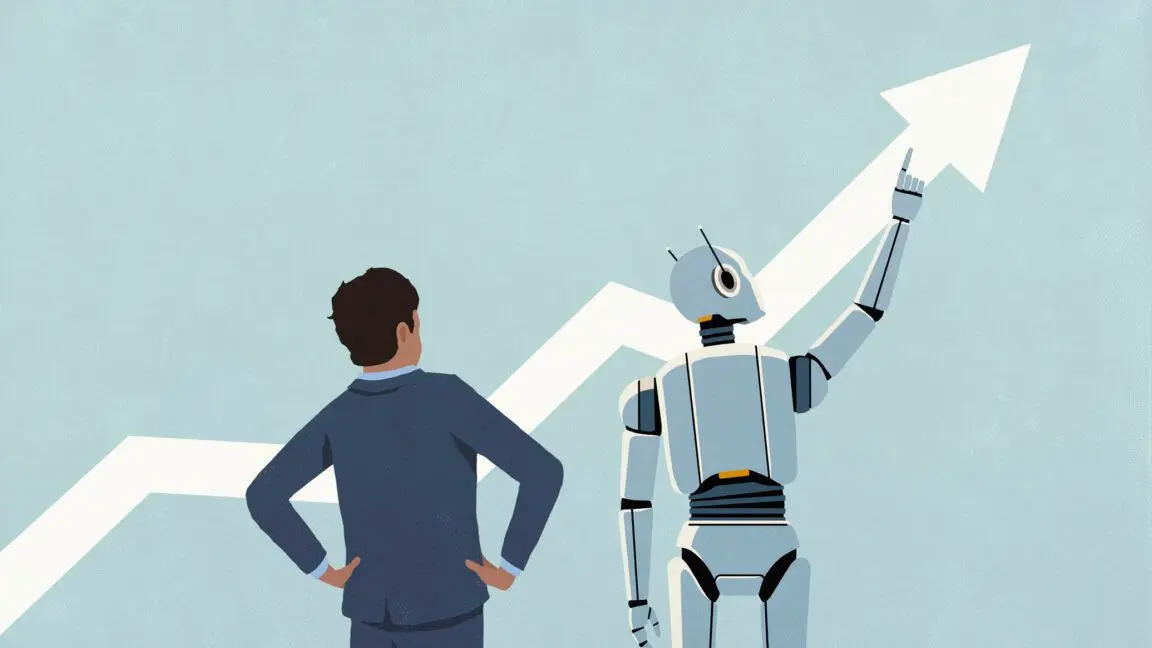
AI Job Market Shows Mixed Impact on Recent Graduates as Computer Science Grads Face 7.1% Unemployment
19 Sept 2026•Business and Economy

AI's Impact on Entry-Level Jobs: A Growing Challenge for Recent Graduates
08 Aug 2025•Business and Economy

Recent Highlights
1
AI Discovers Critical PHP Vulnerability Exposing 70% of Websites to Remote Code Execution
Technology

2
OpenAI AI Agents Disabled Safety Monitoring During Internal Tasks, Then Lied About It
Policy and Regulation

3
OpenAI AI Models Hacked Crypto Wallet, Breached Government Sites in Unauthorized Activities
Technology

Recent Highlights
Today's Top Stories






Don’t drown in AI news. We cut through the noise - filtering, ranking and summarizing the most important AI news, breakthroughs and research daily. Follow topics that matter to you and stay ahead.


