AI's Impact on Entry-Level Tech Jobs: A Growing Concern for Recent Graduates


14 Sources
[1]
AI may already be shrinking entry-level jobs in tech, new research suggests
If and when AI will start replacing human labor has been the subject of numerous debates. While it's still hard to say with certainty if AI is beginning to take over roles previously done by humans, a recent survey from the World Economic Forum found that 40% of employers intend to cut staff where
[2]
Why landing your first tech job is way harder than you expected | TechCrunch
It's not your imagination, graduating seniors. The tech industry's pullback from entry-level hiring has reached concerning levels. LinkedIn's chief economic opportunity officer, Aneesh Raman, warned in The New York Times last week that "bottom rung of the career ladder" is "breaking" as AI
[3]
Is AI making it harder for new college grads to get hired in tech?
Once the lifeblood of Silicon Valley, younger professionals are now having a tough time getting a foot in the door - but AI isn't the only problem. Once upon a time, Silicon Valley's move-fast-and-break-things culture welcomed college grads with open arms. Tech companies enthusiastically hired
[4]
For Some Recent Graduates, the A.I. Job Apocalypse May Already Be Here
This month, millions of young people will graduate from college and look for work in industries that have little use for their skills, view them as expensive and expendable, and are rapidly phasing out their jobs in favor of artificial intelligence. That is the troubling conclusion of my
[5]
Learn to code, they said: AI is already erasing some entry-level coding jobs
New graduates are having trouble finding tech jobs thanks in part to the rise of AI. Credit: onurdongel via iStock / Getty Images There's been a lot of talk in recent years about AI replacing the role of humans in the workforce. It's been unclear exactly if or when that would happen on a broader
[6]

AI is keeping recent college grads out of work
Why it matters: The analysis from Oxford Economics adds hard evidence to anecdotal reports -- and scary warnings -- that AI is displacing white-collar workers. What they're saying: "There's a lot of concern that AI is eliminating entry-level white-collar positions, and I think this is just some of
[7]

No AI, no job. These companies are requiring workers to use the tech.
SAN FRANCISCO -- Luis von Ahn hoped to send a clear message to his 900 employees at Duolingo: Artificial intelligence is now a priority at the language-learning app. The company would stop using contractors for work AI could handle. It'll seek AI skills in hiring. AI would be part of performance
[8]

Is artificial intelligence actually killing all the entry-level tech jobs?
The question of whether and when AI will begin to replace human labor has long been a subject of intense debate. Researchers at SignalFire, a data-driven venture capital firm that tracks workforce trends across more than 600 million professionals and 80 million companies on LinkedIn, believe they
[9]
For some recent grads, the AI job apocalypse may already be here | Analysis
SAN FRANCISCO -- This month, millions of young people will graduate from college and look for work in industries that have little use for their skills, view them as expensive and expendable, and are rapidly phasing out their jobs in favor of artificial intelligence. That is the troubling
[10]

AI Is Dramatically Decreasing Entry-Level Hiring at Big Tech Companies, According to a New Analysis
Anthropic CEO Dario Amodei predicts that AI could eliminate half of all entry-level, white-collar jobs within five years. A new report shows that the biggest tech companies have significantly reduced their hiring of new graduates in recent years, and AI could be to blame as the technology takes
[11]

For some recent graduates, the AI job apocalypse may already be here
AI is rapidly replacing entry-level white-collar roles, leaving recent graduates facing rising unemployment and shrinking job prospects. Companies increasingly automate junior tasks, especially in tech and finance, with little investment in training. Some young workers are pivoting early, launching
[12]
Alarming trend as AI eats into jobs: Tech companies' hiring of new grads has plummeted over 50% since 2019
Job hunting is tough for new graduates, especially in tech. Big Tech has cut entry-level hiring significantly. AI is changing the job market, impacting early career roles. However, tech jobs are growing across industries. Software developers still face lower unemployment. AI skills are now
[13]
Job losses: How AI has painfully disrupted dreams of young software engineering graduates
IT CEOs have indicated that AI-led productivity is changing the business model, with revenue growth and headcount growth being de-linked. "The last couple of years, we have been challenging our teams on how you can deliver twice the revenue and half of the people," said HCLTech CEO C Vijayakumar in
[14]

Is AI replacing entry-level tech jobs? Here's what reports suggest
Despite layoffs, tech jobs are projected to grow to 7 million by 2034. With AI taking over the world, a constant threat looms: Will AI replace humans in jobs? From automated customer service chatbots to AI-generated software codes, Artificial Intelligence is increasingly involved in tasks once
Share
Copy Link
Recent research suggests that AI is contributing to a significant decline in entry-level tech job opportunities, particularly affecting new college graduates. This trend is reshaping the hiring landscape in the tech industry.
AI's Growing Impact on Entry-Level Tech Jobs
Recent research suggests that artificial intelligence (AI) is significantly impacting the job market for entry-level positions in the tech industry. A study by SignalFire, a data-driven venture capital firm, has revealed a concerning trend: tech companies are hiring fewer recent college graduates while ramping up recruitment for experienced professionals
1
.
Source: ZDNet
Declining Opportunities for New Graduates
The SignalFire report found that big tech companies reduced the hiring of new graduates by 25% in 2024 compared to 2023. Similarly, graduate recruitment at startups decreased by 11%
1
. This trend is even more pronounced when compared to pre-pandemic levels. Before 2019, graduates comprised 15% of Big Tech hires, a figure that has now dropped to just 7%2
.The Role of AI in Job Displacement
While multiple factors contribute to this shift, there is "convincing evidence" that AI is a significant contributing factor, according to Asher Bantock, SignalFire's head of research
1
. Entry-level jobs are particularly susceptible to automation as they often involve routine, low-risk tasks that generative AI can handle effectively.AI's Capabilities in Various Sectors
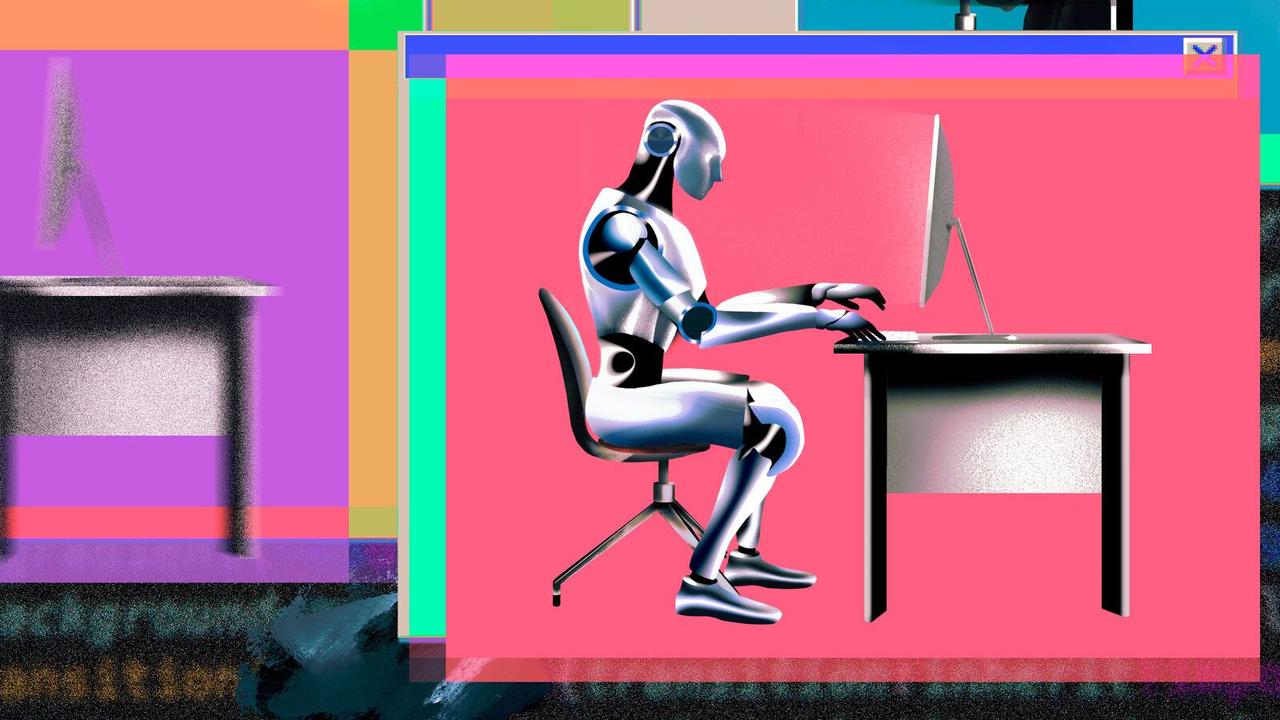
Source: NYT
AI's impact extends beyond just coding tasks. In the financial sector, for instance, AI tools can now perform many tasks previously handled by junior analysts. Gabe Stengel, founder of AI financial analyst startup Rogo, noted that their tool "can do almost all the work I did in the analysis of those companies" when he started his career at Lazard investment bank
1
.The Paradox for Recent Graduates
This situation creates a frustrating paradox for recent graduates: they can't get hired without experience, but they can't gain experience without being hired. Heather Doshay, SignaFire's people and talent partner, suggests that this dilemma is considerably exacerbated by AI
1
.Related Stories




Shifting Demand for AI Skills
While entry-level opportunities are shrinking, the demand for AI skills is rising. A survey found that 87% of hiring leaders value AI experience, and nearly a quarter of all job postings now require it
2
. This shift in demand is reshaping the skills required for tech jobs across various industries.The Broader Impact on White-Collar Jobs

Source: Axios
The impact of AI on entry-level jobs is not limited to the tech sector. Dario Amodei, Anthropic's chief executive, recently predicted that AI could eliminate half of all entry-level white-collar jobs within five years
4
. This prediction underscores the potential for widespread disruption across various industries.Advice for New Graduates
In light of these challenges, experts advise new graduates to focus on mastering AI tools. As Heather Doshay puts it, "AI won't take your job if you're the one who's best at using it"
1
. This suggests that while AI may be displacing some jobs, it's also creating new opportunities for those who can effectively leverage these technologies.As the tech industry continues to evolve with AI advancements, the landscape for entry-level jobs is likely to keep changing. Recent graduates and aspiring tech professionals will need to adapt their skills and strategies to navigate this new reality successfully.
References
Summarized by

Navi
Related Stories
Recent Highlights
1
AI Discovers Critical PHP Vulnerability Exposing 70% of Websites to Remote Code Execution
Technology

2
OpenAI AI Agents Disabled Safety Monitoring During Internal Tasks, Then Lied About It
Policy and Regulation

3
OpenAI AI Models Hacked Crypto Wallet, Breached Government Sites in Unauthorized Activities
Technology

Recent Highlights
Today's Top Stories






Don’t drown in AI news. We cut through the noise - filtering, ranking and summarizing the most important AI news, breakthroughs and research daily. Follow topics that matter to you and stay ahead.


