AI's Subtle Influence: How ChatGPT is Reshaping Human Language


2 Sources
[1]
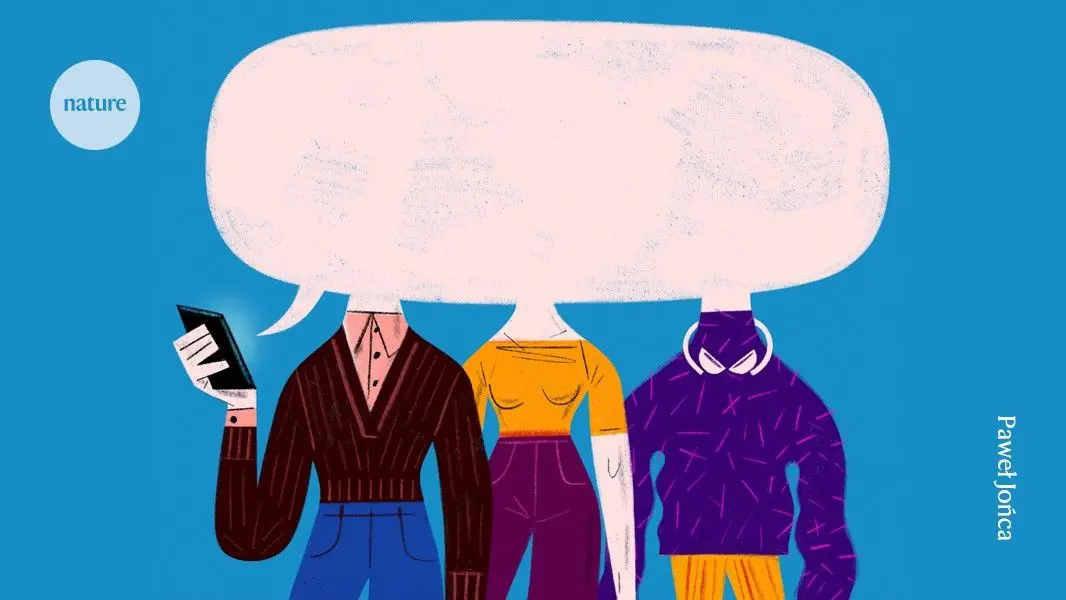
ChatGPT has hijacked our real world conversations
The words appearing more often include meticulous, delve, and underscore. There's a lot of concern that people are using AI to mimic human speech and writing, but a new study from Florida State University has found there's a change in the other direction. Turns out people are using words common to
[2]
AI is quietly reshaping the way we talk
TikTok gave us slang like rizz, while X popularized ratio and doomscroll. But according to new research from Florida State University, the newest force shaping language isn't a person or platform: It's artificial intelligence. In a peer-reviewed study published in the Cornell University archive
Share
Copy Link
A new study from Florida State University reveals that AI, particularly ChatGPT, is influencing human speech patterns, with certain words favored by AI becoming more prevalent in everyday conversations.
AI's Influence on Human Speech Patterns
A groundbreaking study from Florida State University has revealed an unexpected twist in the relationship between artificial intelligence and human communication. While concerns about AI mimicking human speech have been prevalent, researchers have discovered that the influence is actually flowing in the opposite direction. The study found that people are increasingly adopting words and phrases commonly used by AI chatbots, particularly ChatGPT, in their everyday conversations
1
2
.The "Seep-in Effect" of AI Language

Source: TechRadar
Researchers analyzed over 22 million words from unscripted science and technology podcasts, focusing on natural, informal language use. They observed a significant increase in the usage of words favored by AI language models since ChatGPT's release in 2022. Terms such as "garner," "delve," "intricate," and "underscore" have become more prevalent in human speech, particularly when discussing science and technology topics
1
.This phenomenon, dubbed the "seep-in effect" or "lexical seepage," represents a unique shift in linguistic evolution. Unlike previous language changes driven by subcultures or mass media, this transformation originates from algorithmic sources. Tom Juzek, a computational linguistics professor at FSU and lead author of the study, explains, "AI may literally be putting words into our mouths, as repeated exposure leads people to internalize and reuse buzzwords they might not have chosen naturally"
2
.Cognitive Mechanisms Behind the Shift
The study highlights two key cognitive processes contributing to this language shift:
-
Implicit learning: People unconsciously store recurring phrases and word choices in their memory through repeated exposure to AI-generated text.
-
Priming: Exposure to specific words or syntax increases the likelihood of using them later in conversation
2
.
Related Stories
Potential Consequences and Concerns
Source: Fast Company
While the current impact may seem harmless, researchers express concerns about potential long-term consequences:
-
Linguistic homogenization: The adoption of AI-favored phrases could lead to a more uniform and less diverse vocabulary, potentially replacing more expressive and varied language
1
. -
Cognitive framing: The way AI phrases ideas might influence how humans frame concepts and make decisions, potentially affecting thought processes in subtle but significant ways
1
. -
Accelerated linguistic evolution: AI might be speeding up the pace of language change, altering speech patterns in ways that may not have occurred naturally
1
.
Broader Implications for Society
This linguistic shift is not occurring in isolation. A separate study found similar trends among academics, suggesting that the influence of AI on language extends beyond casual conversation into professional and scholarly domains
1
.The researchers emphasize that while the current changes are not catastrophic, the potential for AI to shape human thought processes through language warrants further investigation. As Juzek notes, "The deeper concern is that the very same mechanism could shape not just vocabulary but also beliefs and values"
2
.As AI continues to permeate various aspects of our lives, its impact on human communication and cognition remains a critical area for ongoing research and consideration. The study underscores the need for awareness of these subtle influences and their potential long-term effects on society and individual expression.
References
Summarized by

Navi
[1]
[2]
Related Stories
ChatGPT's Influence on Human Language: AI Buzzwords Creeping into Everyday Speech
28 Aug 2025•Science and Research

AI's Linguistic Influence: How ChatGPT is Reshaping Human Speech Patterns
15 Jul 2025•Technology

AI influence drives thought homogenization, flattening how millions write and reason
12 Mar 2026•Science and Research
Recent Highlights



Recent Highlights
Today's Top Stories







Don’t drown in AI news. We cut through the noise - filtering, ranking and summarizing the most important AI news, breakthroughs and research daily. Follow topics that matter to you and stay ahead.


