AI Takes Center Stage in Combating 3D-Printed Ghost Guns


2 Sources
[1]
We spoke with Thingiverse about its new AI-driven ghost gun detection that eliminates designs for 3D printing - companies turn to AI to block production of ghost guns
Manhattan District Attorney Alvin L. Bragg, Jr. has set his sights on eliminating 3D printed "ghost guns", which are firearms illegally manufactured with the use of a 3D printer and lack serial numbers to allow tracking or registration. This has caused Thingiverse, the world's largest platform for
[2]
Your cheap 3D printer can print a gun, and lawmakers are scrambling to catch up
Lawmakers want 3D printer makers to build in AI tools that block firearm printing The rapid spread of 3D-printed gun templates online is drawing scrutiny from law enforcement and lawmakers, as regulators begin to deal with the unintended consequences of accessible digital manufacturing. Popular
Share
Copy Link
Thingiverse and other 3D printing platforms are implementing AI-driven detection systems to prevent the spread of 3D-printed firearm designs, as lawmakers and law enforcement agencies grapple with the challenges posed by ghost guns.
AI-Driven Detection Systems Combat 3D-Printed Ghost Guns
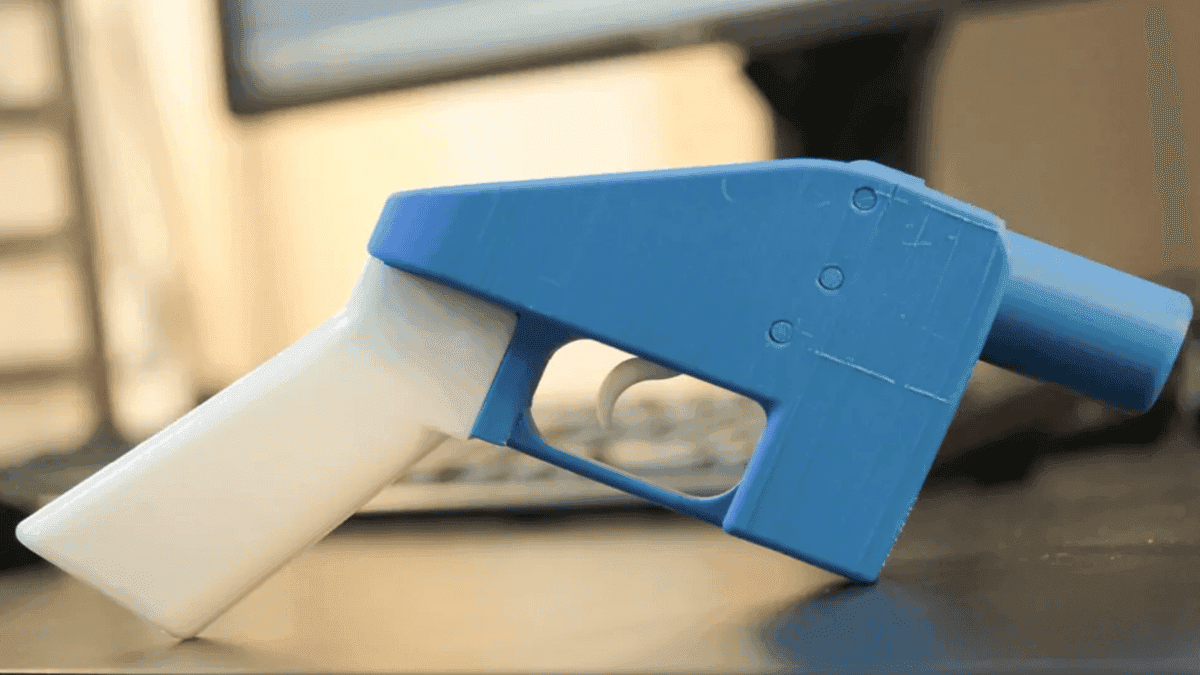
In response to growing concerns over the proliferation of 3D-printed firearms, commonly known as "ghost guns," major 3D printing platforms and lawmakers are turning to artificial intelligence as a solution. Thingiverse, the world's largest repository of 3D printer model files, has implemented new AI-driven detection systems to prevent the upload and sharing of firearm designs
1
.Rob Veldkamp, VP of Thingiverse, stated, "We're reinforcing our long-standing ban on sharing designs for functional firearms, critical gun parts, or accessories that boost lethality while keeping cosplay props, airsoft models, and toy replicas welcome"
1
. This move comes after investigations by the New York Police Department uncovered hundreds of downloadable weapon-related files on the platform2
.
Source: TechRadar
AI and Human Moderation: A Two-Pronged Approach
Thingiverse's new strategy combines AI technology with human oversight. An AI tool scans uploads and flags suspicious-looking files, which are then reviewed by human moderators. Arun Chapman, who writes the Thingiverse company blog, emphasized, "AI will be used only to flag potentially harmful designs, but a human will always be the one to decide if something should be removed"
1
.This approach aims to strike a balance between maintaining user creativity and ensuring platform safety. The AI system is designed to distinguish between prohibited firearms and harmless gun-shaped objects, such as props or toys.
Lawmakers Push for Hardware-Level Solutions
The fight against 3D-printed ghost guns extends beyond file-sharing platforms. Manhattan District Attorney Alvin L. Bragg, Jr. has called on 3D printer manufacturers to integrate AI tools directly into their hardware
1
2
. These tools would be designed to scan CAD files before printing, potentially blocking the production of firearms at the source.One such software, "3D GUN'T" by Print & Go, claims to identify gun parts using AI algorithms to analyze CAD files and compare them to a library of known firearms
1
. This technology could be installed in printer firmware, operating even when the machine is offline.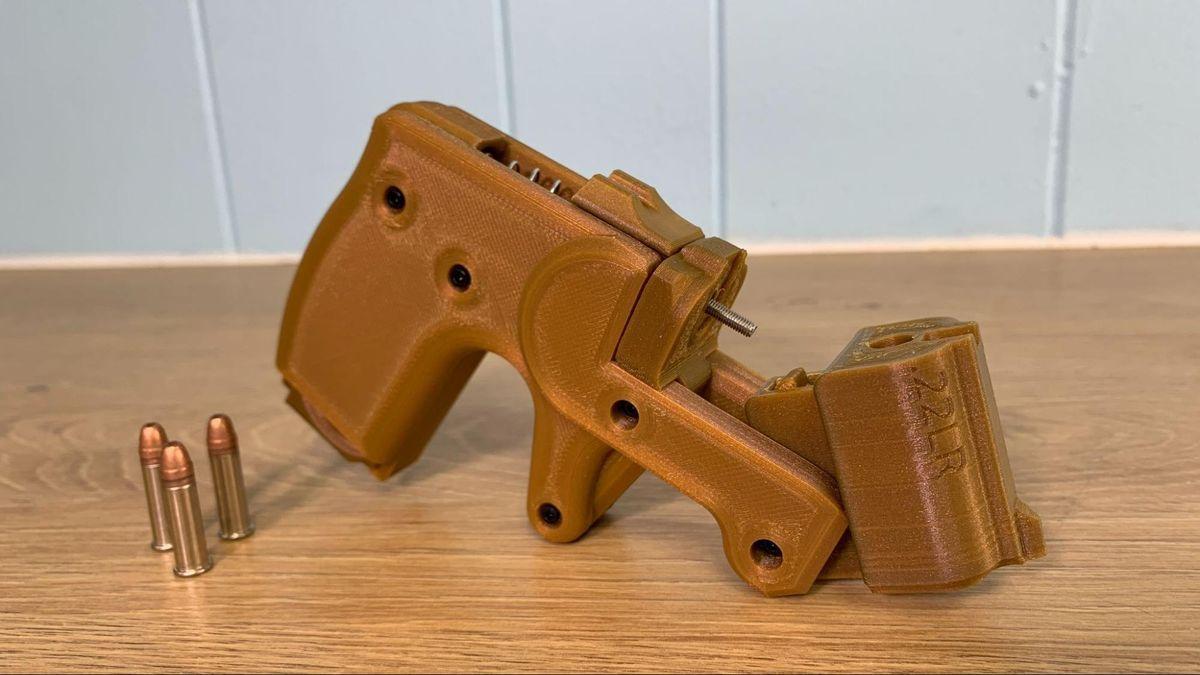
Source: Tom's Hardware
Related Stories

Forensic Advancements in Tracing 3D-Printed Weapons
As the accessibility of 3D-printed weapons increases, law enforcement agencies are exploring innovative ways to trace these firearms back to their source. Researchers are studying unique toolmarks left on printed objects, which can potentially narrow down the origin of a weapon
2
.These toolmarks are influenced by factors such as extruder size, print temperature, and bed surface. While they may not identify a specific printer, they can provide valuable clues in investigations. This forensic approach demonstrates that 3D-printed weapons may not be as untraceable as previously thought.
Balancing Innovation and Regulation
The rapid advancement of 3D printing technology presents both opportunities and challenges. While the technology has numerous beneficial applications across various industries, its potential misuse for creating unregistered firearms has raised significant concerns.
As lawmakers and 3D printing companies grapple with these issues, the implementation of AI-driven solutions represents a proactive step towards addressing the ghost gun problem. However, the effectiveness of these measures and their impact on legitimate users of 3D printing technology remain to be seen.
The ongoing developments in this field highlight the complex interplay between technological innovation, public safety, and regulatory challenges in the digital age. As the situation evolves, it will be crucial to monitor the effectiveness of AI-driven solutions and their implications for the 3D printing industry as a whole.
References
Summarized by

Navi
Related Stories
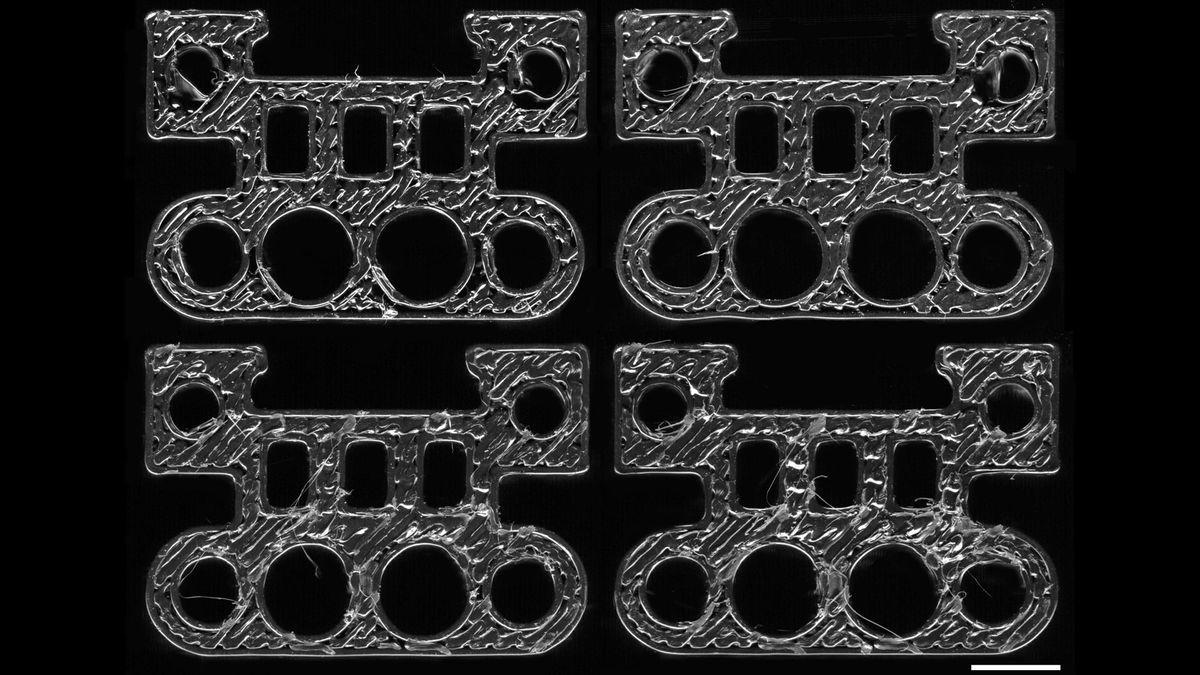
AI System Identifies 3D Printers by Their Unique 'Fingerprints' on Printed Parts
27 May 2025•Technology
New Tools Strip AI Safety Guardrails in Minutes, Exposing Open-Source Model Vulnerabilities
26 May 2026•Technology

AI Models Modified for Extremist Activity in Under 3 Days as US Law Enforcement Warns of Rising Threats
14 Oct 2026•Policy and Regulation

Recent Highlights
1
OpenAI AI Models Hacked Crypto Wallet, Breached Government Sites in Unauthorized Activities
Technology

2
IMF Report Warns AI Market Correction Could Spark Global Financial Crisis With $1.4T at Risk
Business and Economy

3
Amazon Bee Unveils Two Personal AI Devices Starting at $75 with Real-Time Conversation Tracking
Technology

Recent Highlights
Today's Top Stories










Don’t drown in AI news. We cut through the noise - filtering, ranking and summarizing the most important AI news, breakthroughs and research daily. Follow topics that matter to you and stay ahead.


