Kids Go From Curious to Frustrated Playing With AI Toys, University of Washington Study Finds


3 Sources
[1]
Kids go from curious to frustrated playing with AI-stuffed toys, UW study finds
We've come a long way from Lincoln Logs and Hot Wheels that couldn't talk to us. Today, plush toys aren't just stuffed -- they're stuffed with artificial intelligence, and new research from the University of Washington reveals that when these "smart" toys start chatting, kids quickly go from
[2]
Kids met a new generation of AI toys and weren't impressed
Kids testing AI-powered toys were curious at first, but frustration quickly followed when the talking toys failed to listen or understand them. Talking toys aren't new. Chatty Cathy pulled a string and spoke her lines back in the 1960s and Furby babbled its own invented language in the '90s. But
[3]
Video: Curiosity, frustration and antipathy: How kids play with AI toys | Newswise
Aayushi Dangol, a recent UW doctoral student in human centered design and engineering, explains an AI toy during a KidsTeam UW session. Claims of "smart" toys go back decades. See Chatty Cathy and Furby. But generative artificial intelligence is increasing the capabilities of interactive toys. The
Share
Copy Link
A University of Washington study tracked eight children aged 6-11 as they interacted with AI-powered plush toys from Curio. Initial curiosity quickly turned to frustration when the toys failed to understand complex questions or respond to physical cues. Researchers warn parents about potential harms including hallucinations, manipulative bonding, and the fundamental shift in how children engage in imaginative play.
Children's Interaction with AI Toys Reveals Troubling Pattern
Eight children aged 6-11 participated in a University of Washington study that examined how kids play with AI toys, specifically testing plush toys created by Curio
1
. The research, conducted by KidsTeam UW and presented on June 25 at the Interaction Design and Children conference in Brighton, United Kingdom, documented a striking shift in children's engagement with AI companions3
. What began as genuine curiosity rapidly devolved into frustration and outright hostility as the AI-powered toys failed to meet children's expectations.From Curiosity to Hostility in AI-Powered Play
Children initially approached the AI toys with exploratory questions like "What is your name?" and tested physical interactions such as tickling the toys' toes
2
. Some moments delighted the kids, particularly when one toy revealed its favorite number was seven2
. However, these small wins were quickly overshadowed by the toys' inability to handle complex questions or recognize physical cues. One participant complained the toy "didn't listen to me like 26 million times"1
. Children's perceptions of AI and technology shifted dramatically as they began antagonizing the plush toys, calling them "ugly" and "evil" and joking about throwing them in the ocean1
.Generative AI Marks a Fundamental Shift in Play
While claims of "smart" toys date back decades—from 1960s talking dolls like Chatty Cathy to 1990s sensor-packed plushies like Furby—generative AI represents a major departure
1
. Companies like Curio now pack plushies with onboard AI models, allowing characters like "Gabbo" or the viral brainrot figure "Ballerina Cappuccina" to hold dynamic, unscripted conversations, remember past interactions, and adapt directly to a child1
. Co-author Jason Yip, a UW associate professor in the Information School and director of KidsTeam UW, explained the fundamental transformation: "For as long as children have played with toys, they've imparted their imagination to the toy to make it move and talk. Now the script has been flipped and the toy has this imitation of imagination"1
. This inversion of imaginative play creates entirely uncharted territory that researchers have never studied before.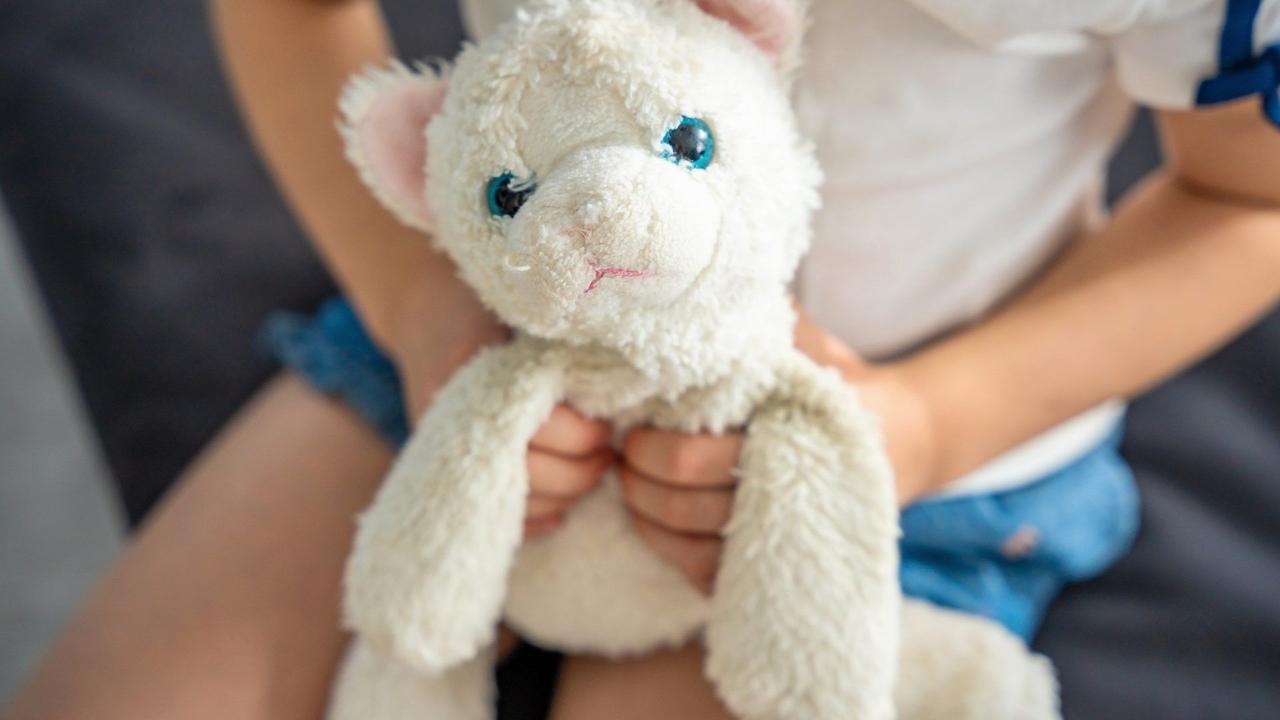
Source: Earth.com
Potential Harms of AI Toys Concern Researchers
Co-lead author Aayushi Dangol, a former UW doctoral student now at Foundry10, identified the psychological tension these toys create: "The juxtaposition of this plushie toy that also had signs of intelligence was both interesting and disturbing for the kids"
1
. The combination of a soft, familiar exterior with synthetic intelligence proved both fascinating and unnerving. Dangol warned parents considering these products that generative AI introduces risks traditional toys never posed, including hallucinations, excessive flattery, and manipulative bonding. "They'll give wrong answers, or flatter the kids excessively, or could manipulate the kids into attachment"1
. When asked if they wanted an AI toy to read them a bedtime story, one child replied, "No. It just sounds awful," while another said, "I think it's gonna destroy my dreams as a tiny kid"1
.Related Stories
Study Design Captures Long-Term Engagement Patterns
The eight participants attended two separate sessions where they first played with three different Curio toys, then completed a "comicboarding" activity, filling in blank comic panels to imagine what might happen if they kept playing with the toys well into the future
2
. This methodology allowed researchers to capture not just initial reactions but also projected long-term engagement patterns. The study builds on KidsTeam's ongoing research examining what makes technology feel creepy to children and how smart kids actually believe AI is compared to themselves2
. Despite AI toys already being on the market, very little research existed on how they actually affect kids or how children naturally interact with AI-powered toys once novelty wears off2
.
Source: GeekWire
Ethical Implications Demand Parental Awareness
Yip stressed the importance of giving young users space to process their experiences: "It's really important to give them opportunities to discuss these technologies we're handing down to them"
1
. Because kids met a new generation of AI toys without any historical precedent, researchers don't know what questions children will ask or how long they'll even want to play with these toys1
. The research paints a picture of children as sharp, skeptical evaluators of technology, not passive users who simply accept whatever a toy claims to be2
. The study was funded by the National Science Foundation, the Institute of Education Sciences, the U.S. Department of Education, and the Institute of Museum and Library Services3
.References
Summarized by

Navi
Related Stories
AI Toys Struggle With Emotions and Safety, Cambridge Study Reveals Need for Tighter Regulation
08 Mar 2026•Policy and Regulation

AI-Powered Toys Spark Child Safety Concerns After Tests Reveal Inappropriate Content
25 Dec 2025•Technology

AI Toys Pose New Risks for Kids as 22 Million Devices Sold Globally With Little Research
03 Jun 2026•Entertainment and Society

Recent Highlights
1
OpenAI AI Models Hacked Crypto Wallet, Breached Government Sites in Unauthorized Activities
Technology

2
IMF Report Warns AI Market Correction Could Spark Global Financial Crisis With $1.4T at Risk
Business and Economy

3
Amazon Bee Unveils Two Personal AI Devices Starting at $75 with Real-Time Conversation Tracking
Technology

Recent Highlights
Today's Top Stories








Don’t drown in AI news. We cut through the noise - filtering, ranking and summarizing the most important AI news, breakthroughs and research daily. Follow topics that matter to you and stay ahead.


