AI Airline Pricing Shrinks Bargain Fares as Delta, Virgin Atlantic Deploy Real-Time Systems


3 Sources
[1]
AI is coming for the cheap seats on busy flight routes
Airlines from Delta to Virgin Atlantic are handing seat pricing to AI that reprices flights in real time, shrinking the gaps that once let travellers find cheap seats on popular routes. Off-peak fares may fall, but the bigger worry is where it leads: "surveillance pricing" based on who you
[2]
Airlines' AI-Powered Pricing Could Mean Fewer Cheap Fares | PYMNTS.com
That's according to a report Thursday (July 30) by Bloomberg News, which charts the air travel industry's evolution away from using analysts to come up with pricing rules, like rising fares once a flight is a quarter booked. But with artificial intelligence (AI), airlines can change seat prices
[3]
AI Airline Pricing Makes Cheap Tickets Harder to Find on Busy Routes
"Consumers should expect that airlines will be smarter about their pricing," Bryan Terry of Alton Aviation Consultancy told Bloomberg. He added that airlines would "exploit that capability to raise fares where possible and cut prices where they have room to stimulate demand." AI pricing can make
Share
Copy Link
Airlines from Delta to Virgin Atlantic are deploying AI-driven pricing that adjusts fares in real time, making bargain seats on popular routes harder to find. While off-peak flights may get cheaper, regulators warn the technology could enable surveillance pricing based on individual passenger data.
AI Airline Pricing Replaces Manual Fare Rules
Airlines are abandoning spreadsheets and analyst-driven pricing in favor of AI-powered pricing systems that adjust seat fares in real time
1
. Carriers including Delta, Virgin Atlantic, WestJet, and Azul now rely on machine-learning models that weigh dozens of variables simultaneously to set airline fares1
3
. The shift marks a departure from traditional rules like raising fares by 20 per cent once a flight reaches a quarter capacity1
.Israeli startup Fetcherr supplies AI-driven pricing software to nearly a dozen carriers
1
3
. Co-founder Uri Yerushalmi explained that "our models analyse dozens if not hundreds of classes of variables to come up with fares. You can only now do that because of AI"1
3
. During recent Middle East disruptions, Fetcherr repriced flights worldwide in response to oil swings, cancellations and shifting demand1
.Dynamic Pricing Eliminates Cheap Tickets on Busy Routes
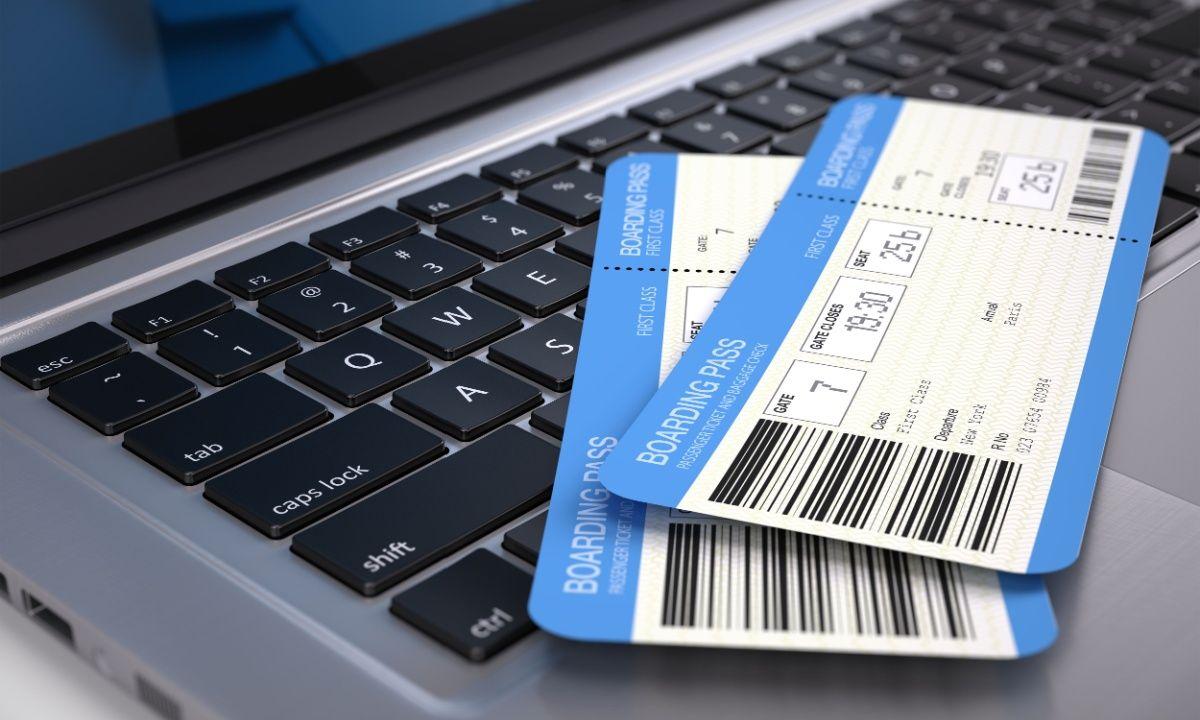
The primary effect of AI airline pricing is shrinking the pricing gaps that once allowed travelers to find cheap tickets on busy routes
1
3
. Airlines now sell fewer seats below what they estimate passengers will pay, while packing planes closer to capacity1
. The models compare current demand with historical booking patterns and market data, then update prices closer to what airlines estimate passengers will accept3
.
Source: PYMNTS
Bryan Terry of Alton Aviation Consultancy told Bloomberg that "consumers should expect that airlines will be smarter about their pricing and will exploit that capability to raise fares where possible and cut prices where they have room to stimulate demand"
1
2
. He added that airlines will "see those conditions clearer, more in advance, and with more certitude, allowing them to adjust pricing—both upwards and downwards—more dynamically"2
.Lower Fares on Off-Peak Flights Create Mixed Impact
While AI airline pricing reduces bargains on popular routes, the same technology can deliver lower fares on off-peak flights
1
2
. Airlines use dynamic pricing to cut fares on quieter routes to fill empty seats and stimulate bookings1
2
. Aviation analyst Guy Leitch noted that machine-learning models can more accurately predict demand by studying historical booking patterns, seat inventory and seasonal trends while continuously monitoring competitor rates and capacity changes to adjust prices in near real time2
.Fetcherr claims its software raises airline revenue mainly by helping carriers fill seats rather than raising ticket prices
1
. AI is extracting value even after purchase through tools like Volantio's software, used by Japan Airlines, which spots passengers who might swap a busy flight for a voucher, then resells the freed-up seat to a last-minute business traveler for $1,0001
.Related Stories
Surveillance Pricing Triggers FTC Investigation
The bigger concern centers on surveillance pricing—fares aimed at each traveler's highest "willingness to pay" based on browsing history or income
1
. Consumer advocates and US lawmakers have warned that airlines could use generative AI to charge different people different fares for the same seat based on individualized data profiles1
. The US Federal Trade Commission has opened a civil investigation into whether airlines use individualized data profiles to push up prices1
. Maryland passed a Protection from Predatory Pricing Act, while regulators elsewhere are circling after cases like China's Trip.com fine1
.Delta declined to comment but has publicly denied setting fares using personal information
1
. Fetcherr says its models use aggregated market data, and Volantio says its offers are not personalized1
. For now, the squeeze is about the aggregate rather than the individual, though critics contend that airlines operating on thin margins will use increasingly powerful pricing tools to optimize revenue and boost average fares1
2
.References
Summarized by

Navi
[1]
[3]
Related Stories
Delta Air Lines Embraces AI for Personalized Ticket Pricing, Sparking Controversy and Criticism
12 Jul 2025•Business and Economy
AI Takes Flight: The Rise of Dynamic Pricing in Airlines
22 Sept 2025•Business and Economy

Delta Air Lines Under Scrutiny for AI-Powered Pricing Strategy
03 Aug 2025•Business and Economy
Recent Highlights



Recent Highlights
Today's Top Stories









Don’t drown in AI news. We cut through the noise - filtering, ranking and summarizing the most important AI news, breakthroughs and research daily. Follow topics that matter to you and stay ahead.


