AMD and Intel merge CPU AI libraries to create unified PyTorch code path for x86 processors


3 Sources
[1]
AMD and Intel will work together to create a single PyTorch code path for AI inference on CPUs -- x86 rivals fold AMD ZenDNN library into Intel oneDNN to make CPU AI simpler
AMD has also joined the UXL Foundation as a steering member. Intel and AMD are integrating their CPU optimizations for PyTorch into a unified library, offering tuning for both AMD and Intel chips through the oneDNN library. AMD has maintained a downstream version of oneDNN called ZenDNN, which is
[2]
Intel's Jeff McVeigh Says Developers Shouldn't Need Separate Software Paths For x86 CPUs, As AMD Folds Its ZenDNN Optimizations Into oneDNN
AMD & Intel have expanded their ongoing EAG collaboration by bringing simplified AI development on x86 CPUs using PyTorch. AMD Brings its ZenDNN Optimizations To oneDNN As A One-Stop Shop To Simplify Development on x86 CPUs Using PyTorch Alongside Intel Ever since the formation of the EAG, or the
[3]
AMD and Intel Collaborate to Simplify AI Development Across x86 CPUs Using PyTorch
AMD and Intel announced a collaboration to combine their x86 CPU optimization work for PyTorch in oneDNN, an open-source deep learning library governed by the Unified Acceleration Foundation (UXL) that helps AI workloads run efficiently on CPUs. This move, recommended by the x86 Ecosystem Advisory
Share
Copy Link
AMD and Intel are merging their CPU optimization libraries for PyTorch into a single oneDNN framework. AMD's ZenDNN optimizations will integrate into Intel's oneDNN, creating one unified PyTorch code path for AI inference on CPUs. The move eliminates software fragmentation across x86 CPUs and simplifies AI development for developers working across both processor families.
AMD and Intel Create Unified AI Development Path
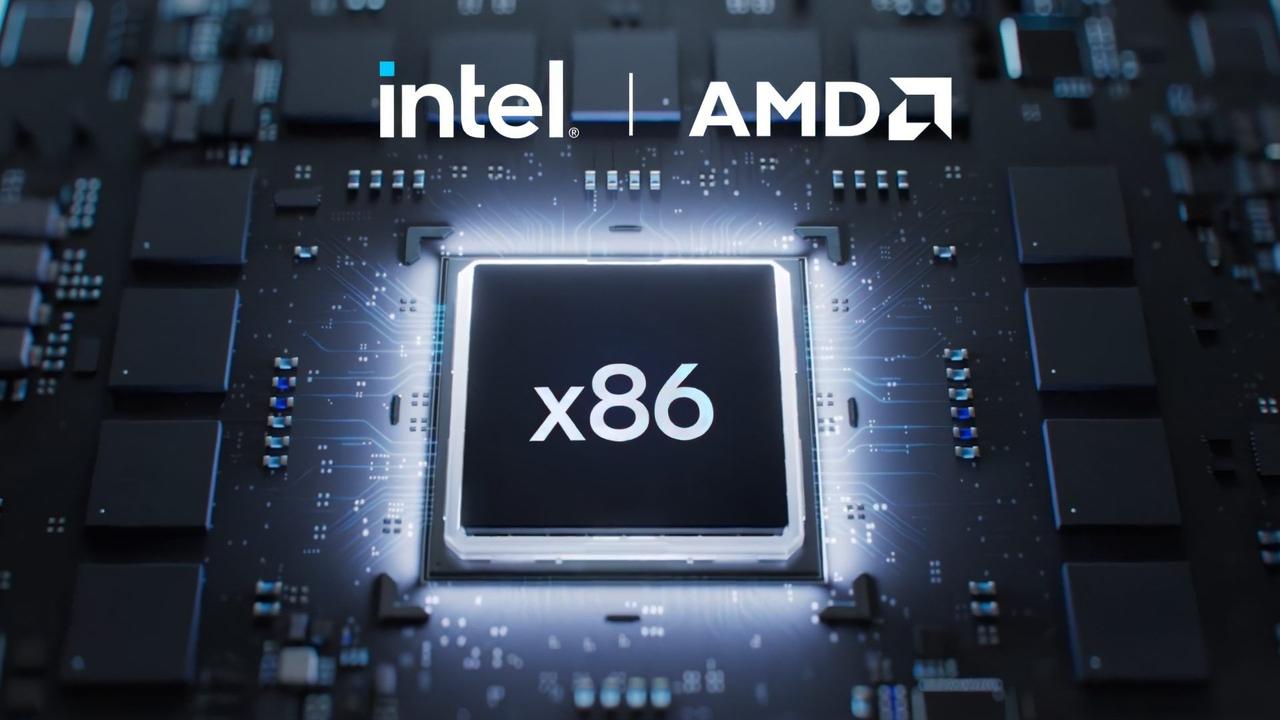
AMD and Intel are combining their CPU optimization efforts for PyTorch into a single framework, marking a significant shift in how AI workloads run on x86 CPUs
1
2
. The two rivals announced that AMD's ZenDNN library will be folded into Intel's oneDNN, creating a unified PyTorch code path that works seamlessly across processors from both companies. This collaboration was recommended by the x86 Ecosystem Advisory Group, a joint initiative established in 2024 to advance the x86 ecosystem1
.
Source: Wccftech
ZenDNN Optimizations Join oneDNN Framework
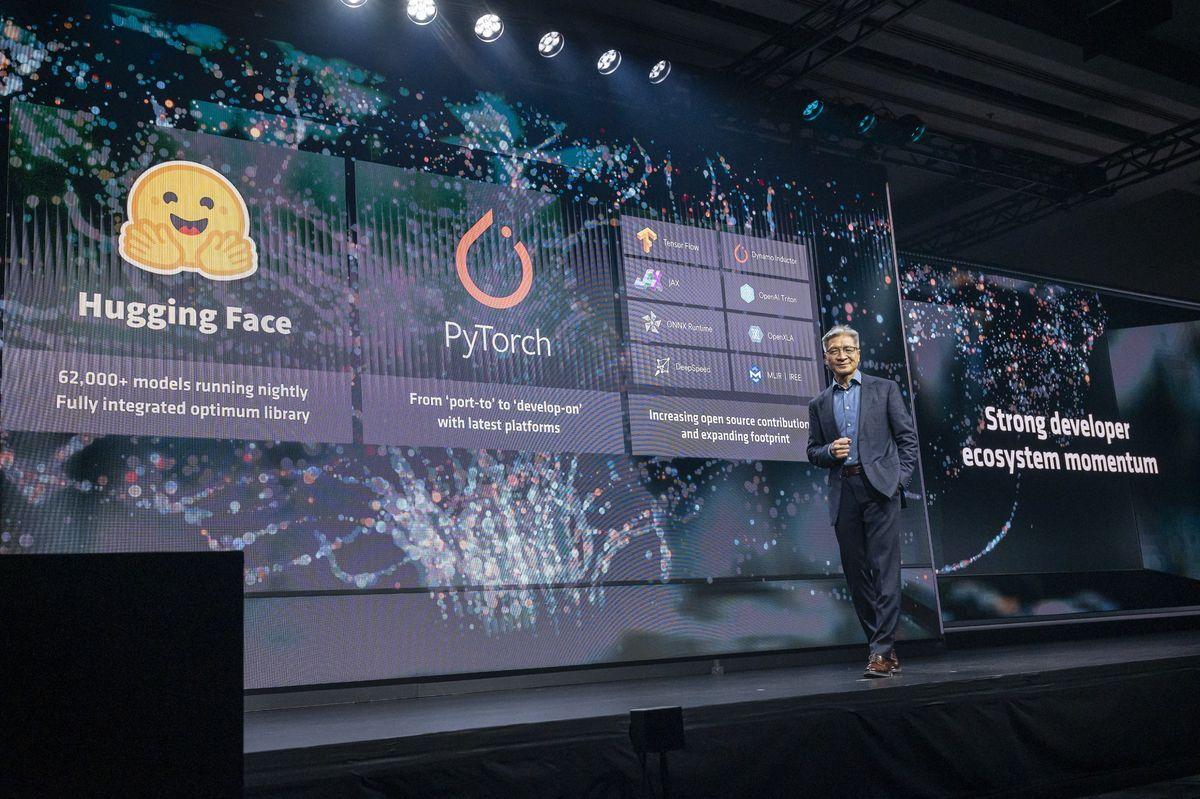
AMD is integrating its full range of ZenDNN optimizations into oneDNN, the open-source library published by the UXL Foundation
2
3
. The oneDNN backend is specifically designed for AI inference on CPUs and accelerates workloads for the latest chips in frameworks like PyTorch. When oneDNN was added to PyTorch as a backend in late 2023, it demonstrated a 1.24x improvement with the Float32 data type and 2.21x performance boost for BFloat161
. The library detects hardware features at runtime to generate optimized kernels and provides low-precision data types alongside optimized instructions for common AI operations like matrix multiplication and convolution1
.AMD Joins UXL Foundation as Steering Member
As part of this collaboration, AMD has joined the UXL Foundation as a steering member, contributing $20,000 per year to influence the foundation's future direction
1
2
. Intel was among the founding members of the UXL Foundation, alongside Arm, Qualcomm, and Google Cloud1
. Robert Hormuth, corporate vice president of Architecture and Strategy at AMD, stated that the company is "advancing an open software ecosystem that gives developers greater choice and makes it easier to build high-performance AI applications"2
3
.
Source: Tom's Hardware
Related Stories

Eliminating Software Fragmentation Across x86 Ecosystem
The move to simplify AI development addresses a critical pain point for developers who previously needed separate software paths for different x86 CPUs. Jeff McVeigh, vice president and general manager of Data Center Strategic Programs at Intel, emphasized that "developers shouldn't have to think about separate software paths to get the best from an x86 CPU"
2
3
. By aligning around oneDNN as the default open-source library for x86 acceleration within PyTorch, AMD and Intel are removing software fragmentation that has historically complicated AI workloads deployment2
3
.Industry Support and Future AI Compute Extensions
Red Hat has voiced strong support for the collaboration. Stephen Watt, vice president of the Office of the Chief Technology Officer at Red Hat and PyTorch ambassador, called it "a major step forward in eliminating ecosystem fragmentation" that will make it "significantly easier for developers to build, optimize, and deploy AI workloads consistently across x86 architectures"
2
3
. Looking ahead, AMD and Intel are also collaborating on AI Compute Extensions (ACE), a next-generation instruction set architecture for x86 designed to accelerate matrix multiplication, which will be integrated within PyTorch through future oneDNN updates3
. This unified approach gives organizations greater flexibility as they scale AI workloads while reducing time spent on vendor-specific workarounds2
.References
Summarized by

Navi
Related Stories
AMD and Intel Form Unprecedented Alliance to Advance AI Computing
17 Oct 2024•Technology

AMD and Cerebras forge strategic partnership to challenge Nvidia's $20 billion Groq acquisition
24 Jul 2026•Technology
AMD Challenges Nvidia's AI Dominance with New Instinct MI325X Chip and Networking Solutions
11 Oct 2024•Technology

Recent Highlights


Recent Highlights
Today's Top Stories





Don’t drown in AI news. We cut through the noise - filtering, ranking and summarizing the most important AI news, breakthroughs and research daily. Follow topics that matter to you and stay ahead.


