AMD CEO Lisa Su Confirms Higher Costs for US-Made TSMC Chips, Emphasizes Supply Chain Resilience


6 Sources
[1]
AMD CEO Lisa Su says US-made TSMC chips cost up to 20% more - but they're worth it
Serving tech enthusiasts for over 25 years. TechSpot means tech analysis and advice you can trust. What just happened? AMD boss Lisa Su has confirmed something that we've been hearing for years now: buying chips from TSMC's US plants will be 5-20% more expensive than purchasing the same silicon
[2]
AMD says US-made Ryzen chips will cost 5-20% more
The United States is pushing for domestic manufacturing, and by "pushing," I mean throwing markets into chaos with tariffs against specific countries and products decided seemingly at random. But how much will computer chips, probably the most complex and in-demand general production item on the
[3]
AMD CEO says its chips made in the US will be up to 20% more expensive, but claims that it'll be worth the price hike
Su argues that the cost is worth it in terms of diversifying the supply chain AMD's CEO has admitted that the company's chips will be a fair bit pricier when they are produced in TSMC's factories in the US (as opposed to Taiwan). Bloomberg reports that it will be more expensive to source chips
[4]
AMD Projects up to 20% Higher Costs for U.S.-Made Chips
Localizing advanced semiconductor production at TSMC's new Arizona plant introduces a price premium for AMD. At a Washington, D.C. event, CEO Lisa Su estimated that chips fabricated in the U.S. carry a production cost increase of up-to 20% compared to those from TSMC's Taiwanese facilities. Despite
[5]

AMD CEO Lisa Su Says Sourcing AI Chips From TSMC's U.S. Plants Is 20% More Expensive, Highlighting the Complications of Building Supply Chains in America
While TSMC US operations are seeing massive attraction from American clients, it is still a very expensive venture, according to AMD's CEO Lisa Su. TSMC has expanded in America at a massive pace that no one could predict. The Trump administration catalyzed the efforts of the Taiwan chip giant,
[6]

AMD CEO Highlights Higher Costs For US Made Chips As Supply Chain Strengthens - Advanced Micro Devices (NASDAQ:AMD), Taiwan Semiconductor (NYSE:TSM)
Tim Melvin's system has spotted 10X winners like NVIDIA and Matador -- see his next 6 picks and the options strategies to multiply gains at a free July 23 event. Register Here. In a significant update for the semiconductor industry, Advanced Micro Devices AMD CEO Lisa Su stated that chips produced
Share
Copy Link
AMD CEO Lisa Su reveals that chips produced at TSMC's US plants will cost 5-20% more than those made in Taiwan, but argues that the price increase is justified for supply chain diversification and resilience.
AMD CEO Confirms Higher Costs for US-Made Chips
AMD CEO Lisa Su has confirmed that chips produced at TSMC's US plants will cost between 5% and 20% more than those manufactured in Taiwan
1
. This revelation came during an AI event in Washington and a subsequent interview with Bloomberg Television, where Su emphasized the importance of supply chain resilience despite the increased costs2
.
Source: Benzinga
Reasons for Higher Costs
The increased expenses for US-made chips can be attributed to several factors:
- Higher construction and operational costs in the US
- More expensive labor
- Regulatory and permitting processes
- Less mature supporting ecosystem compared to Taiwan
Despite these challenges, Su noted that the yield rates at TSMC's Arizona plants are already comparable to those in Taiwan
1
.Supply Chain Resilience and Diversification
Su argued that the additional cost is justified by the need to diversify the crucial supply of chips, making the semiconductor industry less vulnerable to disruptions like those experienced during the pandemic
3
. She stated, "We have to consider resiliency in the supply chain. We learned that in the pandemic"4
.TSMC's Arizona Facility and AMD's Plans

Source: Wccftech
TSMC's Arizona plant is a significant part of the US push for domestic semiconductor production, supported by the CHIPS Act
2
. AMD expects to receive its first customer-shippable lots from the Arizona facility by the end of 20253
.Currently, the Arizona plant can produce chips using the N4 (4nm) process, while TSMC's most advanced facilities in Taiwan are capable of 2nm production
3
. AMD has plans to scale up to 2nm production in the US, particularly for EPYC Venice data center CPUs5
.Related Stories

Impact on Consumers and the Industry
The potential price increase of 5% to 20% could have significant implications for consumers and the industry:
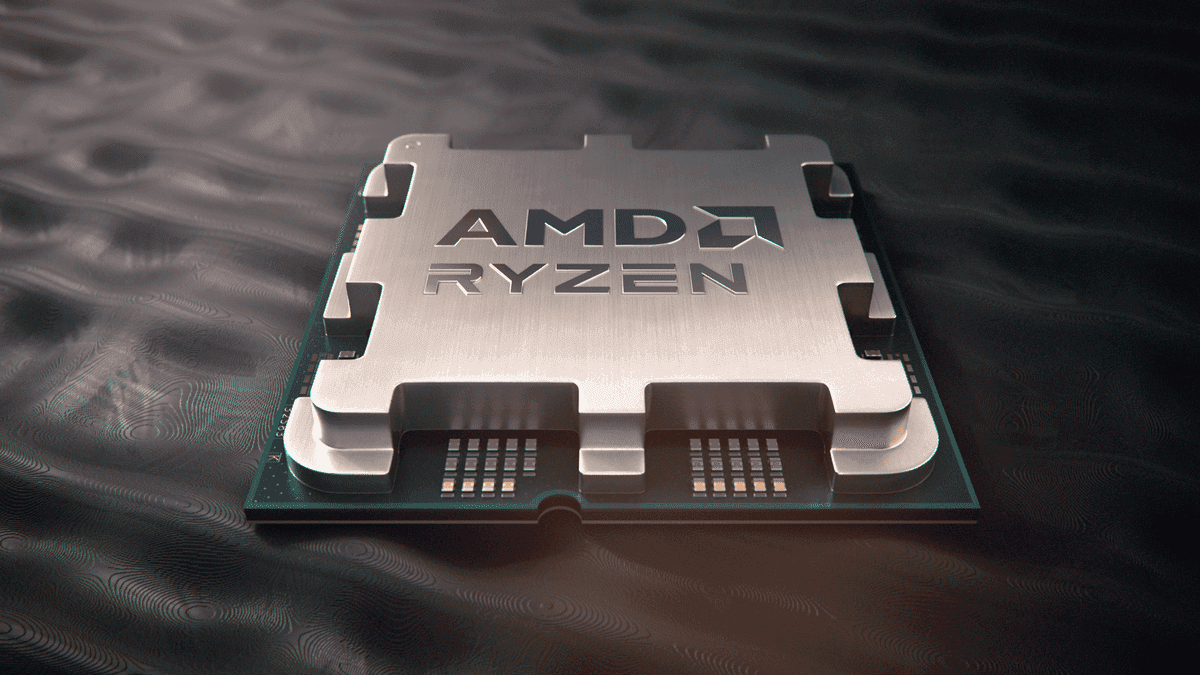
- A 20% increase could add approximately $50 to the cost of a typical Ryzen CPU
3
. - The higher costs may affect AMD's competitiveness in the market, particularly against rivals like Nvidia
2
. - The increased expenses could potentially be passed on to consumers, affecting the pricing of various electronic devices.
Source: TechRadar
Future Outlook and AI Chip Demand
Despite the challenges, Su remains optimistic about the future of the semiconductor industry, particularly in the AI sector. She expects the total accelerator market to reach a valuation of up to $500 billion in the next five years
5
. Su also emphasized the need for a calibrated approach to US export policy governing AI accelerators, balancing security concerns with the need to maintain shipments to allied countries4
.References
Summarized by

Navi
[3]
Related Stories
AMD Gears Up for US Chip Production Amid Rising Demand and TSMC Price Hikes
17 Apr 2025•Business and Economy
AMD Set to Become TSMC's Second Major Customer at Arizona Fab, Boosting US AI Chip Production
08 Oct 2024•Business and Economy

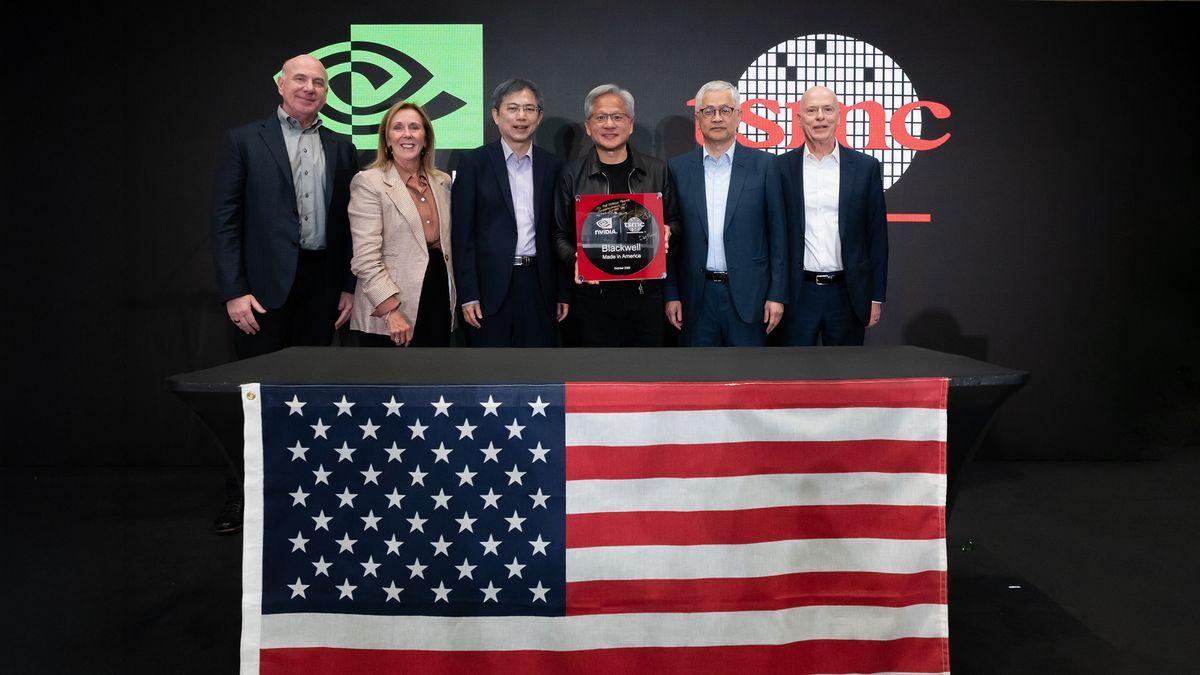
Nvidia and TSMC Celebrate First US-Made Blackwell Wafer, Marking Milestone in American Chip Manufacturing
18 Oct 2025•Technology
Recent Highlights



Recent Highlights
Today's Top Stories




Don’t drown in AI news. We cut through the noise - filtering, ranking and summarizing the most important AI news, breakthroughs and research daily. Follow topics that matter to you and stay ahead.


