AMD's Ryzen 9000G and Future APU Roadmap: Zen 5, RDNA 3.5, and AI Enhancements


5 Sources
[1]
AMD Ryzen 9000G APUs rumored to launch in Q4 for AM5 motherboards
Ryzen 9000G can potentially be the first Microsoft Copilot+ certified APUs for desktops. Last CES saw AMD unveil its Ryzen 8000G lineup of APUs for AM5, bringing together speedy Zen 4 cores alongside the first RDNA-based graphics engine to desktops, succeeding their Vega-powered predecessors.
[2]
AMD Gorgon Point 2026 Mobile Processor: Zen 5/5c, RDNA 3.5, and 55+ AI TOPS
A detailed presentation of AMD's upcoming mobile processor, "Gorgon Point," provides a technical outline for the device expected to launch in 2026. Emphasizing incremental improvements, the processor is engineered as the successor to the Ryzen AI 300 "Strix Point." It maintains a largely similar
[3]
Fourth Quarter 2025: AMD to Introduce Ryzen 9000G Processors
AMD's upcoming Ryzen 9000G series, known as Strix Point, is set to be introduced later in 2025, with most of the buzz coming from its use of the Zen 5 architecture. This series isn't about a complete overhaul of desktop CPUs but rather a focused upgrade for APUs. The processors build on the
[4]
AMD's next-gen 'Gorgon Point' APUs leaked: Zen 5, RDNA 3.5 refresh expected in 2026
TL;DR: AMD is developing the Gorgon Point APU series, featuring Zen 5 and RDNA 3.5, set for release in 2026. The flagship Ryzen AI 9 variant will have 12 cores, 24 threads, and 16 CUs of RDNA 3.5 GPU. Gorgon Point will enhance AI capabilities with 55+ TOPS. Future Medusa Point APUs may include Zen
[5]
AMD Gorgon Point "Ryzen AI" Refresh APU Lineup Leaks Out With Higher Clocks & Over 55 TOPS NPU, Ryzen AI MAX "Medusa/Zen 6" Series Confirmed
AMD's refreshed Gorgon Point "Ryzen AI" APUs have leaked out, with the company also confirming next-gen Medusa "Ryzen AI MAX" Halo chips. LG Spills The Beans On AMD's Next-Gen Laptop Platforms: Gorgon Point "Ryzen AI" Refresh, Medusa "Ryzen AI MAX" Halo APUs, RDNA 4 Missing In Action It looks
Share
Copy Link
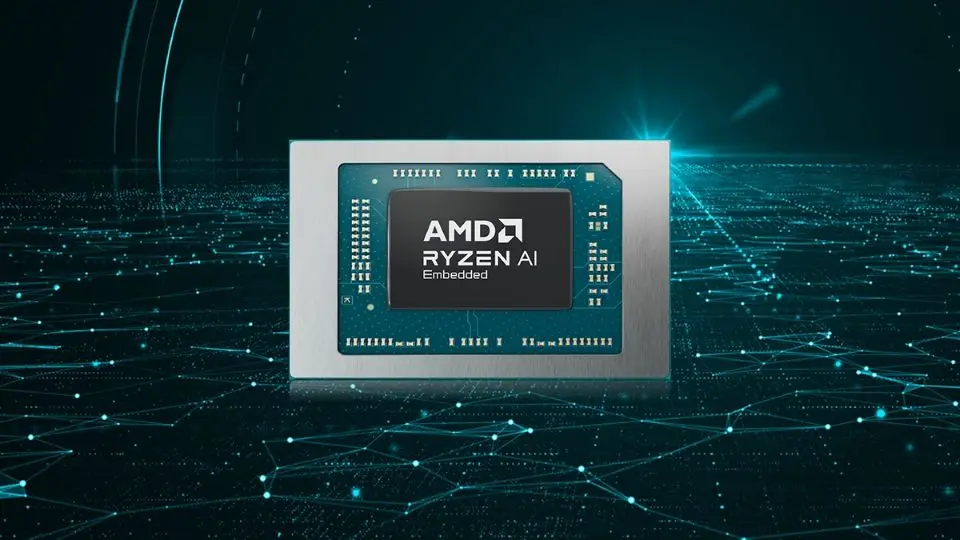
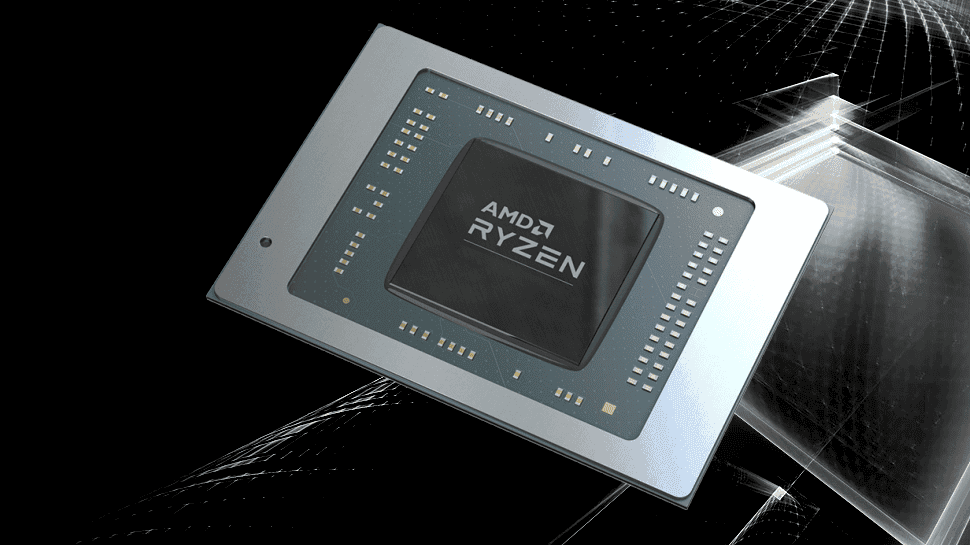
AMD's upcoming Ryzen 9000G APUs and future processor plans, including Gorgon Point and Medusa Point, showcase advancements in CPU, GPU, and AI capabilities for desktop and mobile platforms.

AMD's Ryzen 9000G APUs: A Leap Forward for Desktop Computing
AMD is set to launch its Ryzen 9000G series of APUs (Accelerated Processing Units) for AM5 motherboards in Q4 2025, marking a significant advancement in desktop computing technology
1
. These processors are rumored to be the first Microsoft Copilot+ certified APUs for desktops, potentially revolutionizing AI capabilities in consumer-grade hardware1
.Architectural Improvements and Specifications
The Ryzen 9000G series is expected to be based on AMD's Zen 5 architecture, utilizing either the Strix Point or Krackan Point silicon designs
1
3
. The top-tier models may feature up to 12 hybrid cores (four Zen 5 + eight Zen 5c) in a dual-CCX layout, accompanied by a robust 16 Compute Unit iGPU (Radeon 890M) based on the RDNA 3.5 architecture1
.Key specifications include:
- Up to 12 cores and 24 threads
- RDNA 3.5 graphics with up to 16 Compute Units
- DDR5 memory support
- XDNA 2 NPU capable of 50+ TOPS AI performance
1
4
Mobile Advancements: Gorgon Point and Beyond
AMD's roadmap extends beyond desktop APUs, with plans for mobile processors that push the boundaries of performance and efficiency. The "Gorgon Point" APUs, slated for 2026, are designed as a refresh of the Ryzen AI 300 "Strix Point" series
2
4
.Gorgon Point highlights:
- Zen 5 architecture with up to 12 cores and 24 threads
- Clock speeds exceeding 5.2GHz
- 16 CUs of RDNA 3.5 GPU
- Enhanced NPU performance of 55+ TOPS
2
4
Future Innovations: Medusa Point and RDNA 4
Looking further ahead, AMD is developing the "Medusa Point" APUs, which may introduce the Zen 6 architecture. Rumors suggest a flagship Medusa Halo APU could feature an impressive 24 cores and 48 threads, paired with 48 CUs of an upgraded RDNA 3.X GPU
4
5
.Interestingly, reports indicate that RDNA 4 GPUs may not be coming to laptops in the near future, with the next major update expected around 2026 with the UDNA series
5
.Related Stories


Impact on AI and Computing Landscape
These advancements in APU technology signify AMD's commitment to integrating powerful AI capabilities into mainstream computing devices. The increased TOPS (Trillion Operations Per Second) performance of the NPUs in these chips could enable more sophisticated on-device AI processing, potentially transforming user experiences in areas such as content creation, productivity, and gaming
2
4
.Market Implications and Competition
AMD's aggressive development of APUs with enhanced AI capabilities positions the company strongly in the evolving computing landscape. As AI becomes increasingly central to computing tasks, AMD's offerings could provide a competitive edge against rivals like Intel and Nvidia in both the desktop and mobile markets
3
5
.The integration of more powerful CPUs, GPUs, and NPUs in single-chip solutions may also influence system design trends, potentially leading to more compact and energy-efficient devices that don't compromise on performance or AI capabilities
4
5
.As these technologies mature and reach the market, they are likely to drive innovation in software development, encouraging the creation of more AI-enhanced applications and services that can leverage the increased on-device AI processing power
1
2
5
.References
Summarized by

Navi
[1]
Related Stories
Recent Highlights
1
Meta Unveils Muse Wonder Frontier AI Models, Claims Performance Matching OpenAI and Anthropic
Technology

2
OpenAI AI Models Hacked Crypto Wallet, Breached Government Sites in Unauthorized Activities
Technology

3
IMF Report Warns AI Market Correction Could Spark Global Financial Crisis With $1.4T at Risk
Business and Economy

Recent Highlights
Today's Top Stories








Don’t drown in AI news. We cut through the noise - filtering, ranking and summarizing the most important AI news, breakthroughs and research daily. Follow topics that matter to you and stay ahead.


