California Passes Landmark AI Safety Bill SB 53, Awaits Governor's Approval


6 Sources
[1]
California lawmakers pass AI safety bill SB 53 -- but Newsom could still veto | TechCrunch
California's state senate gave final approval early on Saturday morning to a major AI safety bill setting new transparency requirements on large companies. As described by its author, state senator Scott Wiener, SB 53 "requires large AI labs to be transparent about their safety protocols, creates
[2]
Anthropic endorses California's AI safety bill, SB 53 | TechCrunch
On Monday, Anthropic announced an official endorsement of SB 53, a California bill from state Senator Scott Wiener that would impose first-in-the-nation transparency requirements on the world's largest AI model developers. Anthropic's endorsement marks a rare and major win for SB 53, at a time when
[3]
California Lawmakers Pass AI Safety Bill, Pending Newsom's Approval
Don't miss out on our latest stories. Add PCMag as a preferred source on Google. California's state Senate has approved an AI safety bill that would force AI labs working on "frontier models" to be transparent about their safety protocols and create whistleblower protections for employees,
[4]
California Lawmakers Once Again Challenge Newsom's Tech Ties with AI Bill
Last year, California Governor Gavin Newsom vetoed a wildly popular (among the public) and wildly controversial (among tech companies) bill that would have established robust safety guidelines for the development and operation of artificial intelligence models. Now he'll have a second shotâ€"this
[5]
Anthropic backs California bill that mandates AI transparency measures
The Anthropic website. Gabby Jones / Bloomberg via Getty Images file Artificial intelligence developer Anthropic became the first major tech company on Monday to endorse a California bill that would regulate the most advanced AI models. Proposed by state Sen. Scott Wiener, if passed, S.B. 53
[6]

AI Safety Bill Passed By California Legislature, Awaits Governor Gavin Newsom's Signature
The state legislature of California has passed a groundbreaking AI safety bill. The bill, which mandates AI firms to disclose and certify their safety testing procedures, now awaits the signature of Governor Gavin Newsom. The state legislature of California passed a crucial AI safety bill in the
Share
Copy Link
California lawmakers have passed SB 53, a groundbreaking AI safety bill requiring transparency from large AI companies. The bill, which now awaits Governor Gavin Newsom's signature, has garnered support from some tech firms but faces opposition from others.
California's AI Safety Bill Advances
California's legislature has passed Senate Bill 53 (SB 53), a pivotal AI safety bill targeting "frontier" models like ChatGPT and Google Gemini
1
. Authored by Senator Scott Wiener, it now awaits Governor Gavin Newsom's signature3
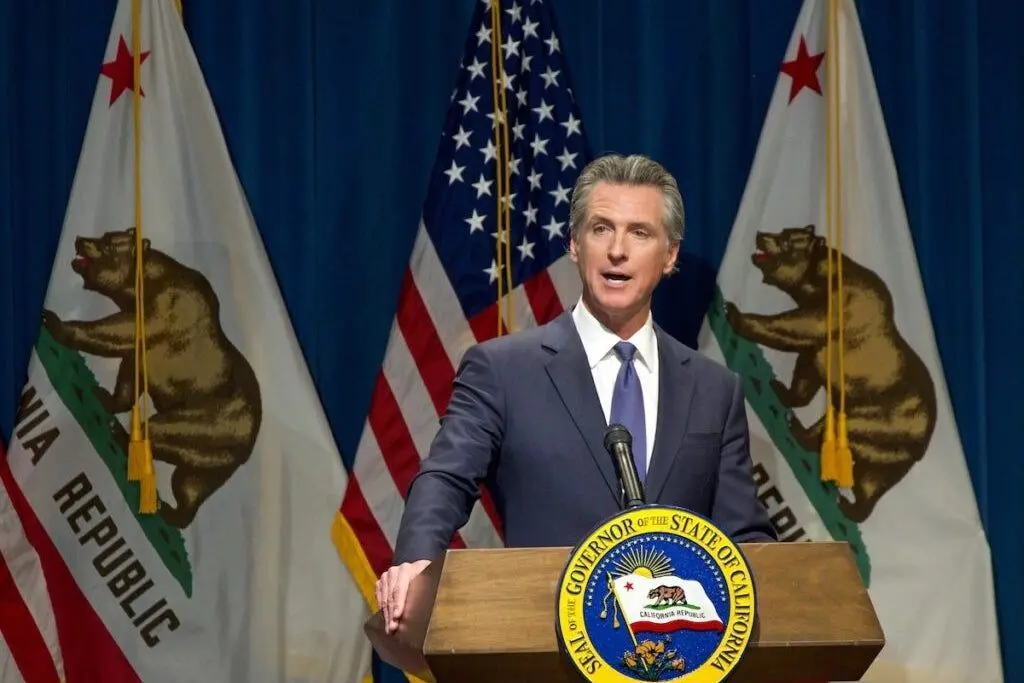
.
Source: Benzinga
Key Provisions & Industry Response
SB 53 mandates transparency and safety for large AI companies. Provisions include disclosing safety protocols, whistleblower protection, a public cloud (CalCompute), reporting dangerous AI incidents, and detailing security measures
2
. A tiered system applies stricter rules to firms earning over $500 million annually1
. Industry response is mixed: Anthropic supports SB 53 for responsible AI2
. Conversely, trade groups like the Consumer Technology Association and Chamber for Progress oppose it, citing concerns over innovation and regulatory overreach5
. OpenAI has indirectly suggested preference for federal or European standards1
.
Source: TechCrunch
Related Stories


Newsom's Decision & National Impact
Governor Newsom's decision is critical, especially after his veto of a similar bill (SB 1047) last year
4
. The current bill incorporates feedback from a post-veto policy panel1
.
Source: TechCrunch
Critics argue state regulations could impede innovation and face constitutional challenges
1
. If signed, SB 53 would make California the first U.S. state with comprehensive legal requirements for major AI developers, potentially setting a national precedent and influencing future federal and global AI governance. This underscores the complex balance between fostering AI innovation and ensuring safety and ethical oversight.References
Summarized by

Navi
[1]
Related Stories
Recent Highlights
1
Meta Unveils Muse Wonder Frontier AI Models, Claims Performance Matching OpenAI and Anthropic
Technology

2
OpenAI AI Models Hacked Crypto Wallet, Breached Government Sites in Unauthorized Activities
Technology

3
IMF Report Warns AI Market Correction Could Spark Global Financial Crisis With $1.4T at Risk
Business and Economy

Recent Highlights
Today's Top Stories










Don’t drown in AI news. We cut through the noise - filtering, ranking and summarizing the most important AI news, breakthroughs and research daily. Follow topics that matter to you and stay ahead.


