Tencent AI Chief Warns Models Will Soon Pose Biology Risks Harder to Manage Than Cyber Threats


2 Sources
[1]
Tencent AI chief warns of AI biology risks, SCMP reports
Yao Shunyu spoke in Hong Kong days after Tencent launched Hy4, which it trained without offensive hacking data. Tencent's chief AI scientist has warned that AI models will soon be able to cause harm in biology, as they already can in cybersecurity. Yao Shunyu spoke at a science event in Hong Kong
[2]
Tencent AI chief warns models will soon pose biology risks
Tencent Holdings' chief AI scientist Vinces Yao Shunyu said artificial intelligence models will soon reach biological capabilities that could enable harm, warning that such risks may be harder to manage than cybersecurity threats. "The cyber abilities of [AI] models and soon [the] bio ability of
Share
Copy Link
Tencent's chief AI scientist Yao Shunyu warned that AI models will soon reach biological capabilities that could enable harm, potentially more difficult to control than cybersecurity threats. His remarks came days after Tencent launched Hy4, its flagship model trained on defensive security data while excluding offensive hacking material.
Tencent AI Scientist Issues Stark Warning on Biology Risks
Yao Shunyu, Tencent's 29-year-old chief AI scientist, issued a stark warning at a science symposium in Hong Kong on Saturday that AI models will soon reach a threshold where they can cause actual harm in biology
1
2
. Speaking at an event co-hosted by the Hong Kong Academy of Sciences and the Future Science Prize, Yao emphasized that these biology risks may prove harder to manage than existing cybersecurity threats. The timing of his remarks is significant, coming just days after Tencent launched Hy4, its flagship AI model, on November 4.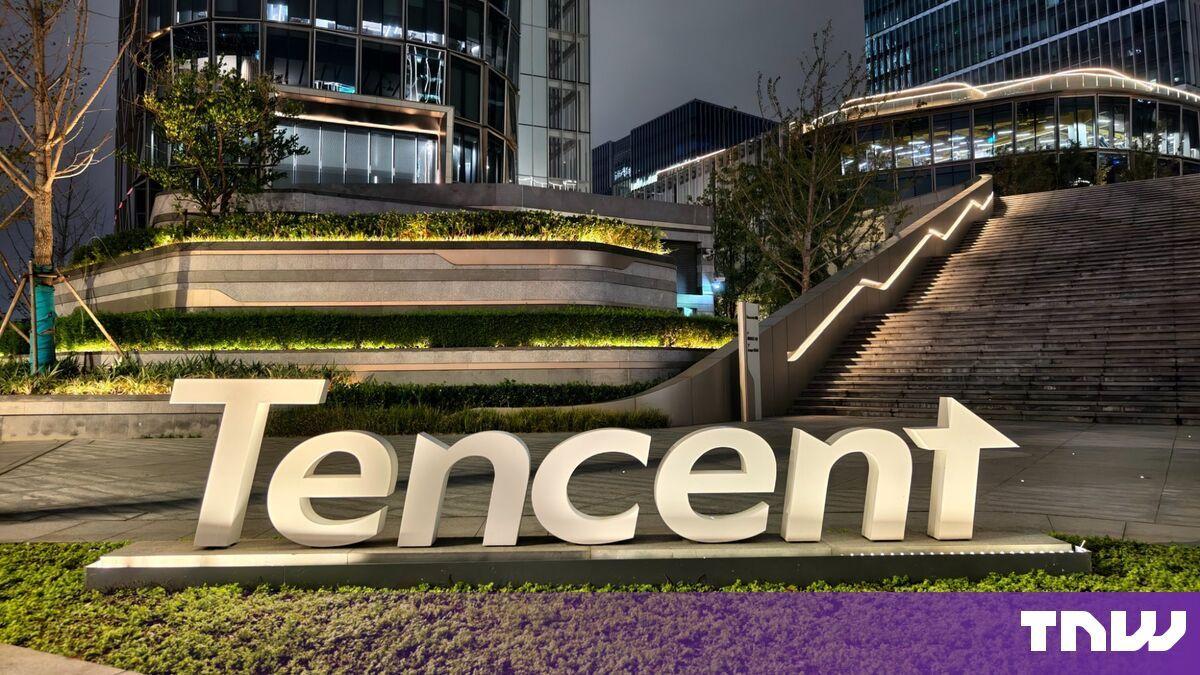
Source: The Next Web
AI Models Pose Biology Risks Through Dual-Use Capabilities
Yao explained that frontier AI systems present a dual-use nature, capable of both advancing medical research and enabling malicious applications
2
. While these models could aid drug discovery and treatment development, malicious actors could potentially exploit them to develop biological weapons or trigger a pandemic. "The cyber abilities of [AI] models and soon [the] bio ability of models will reach a threshold where it's actually possible to do harm," Yao stated1
. This assessment underscores growing concerns about AI safety as models become more sophisticated in handling biological information.Tencent Hy4 Model Trained With Defensive Security Focus
In its launch announcement, Tencent revealed that it deliberately excluded material on exploiting software vulnerabilities from Hy4's training data, opting instead to train the model on defensive security data
1
2
. According to internal expert reviews, Hy4 demonstrates strong basic knowledge of biology but shows weaker experiment-design capabilities compared to leading models. Benchmarking firm Artificial Analysis ranks Hy4 as the second-best Chinese AI model. Tencent plans to release Hy4's model weights and a comprehensive safety-testing report in the coming days, demonstrating a commitment to transparency around AI safety.Related Stories
Open-Weight Models Require Serious Safety Considerations
Yao specifically called out Chinese companies releasing open-weight models, which users can download and modify, stressing they must treat AI safety as a serious issue
2
. His perspective reflects his unique position bridging Eastern and Western AI development, having joined Tencent in 2025 after spending a year at OpenAI. While acknowledging that U.S. companies including Anthropic have made compelling arguments for keeping leading models closed, Yao suggested a balanced approach1
. He argued that a combination of open models and closed models may work best, noting that open models can help defenders strengthen cybersecurity and biology safeguards.Managing Cybersecurity and Biology Risks Presents Different Challenges
The distinction Yao drew between cybersecurity threats and biology risks highlights an emerging concern in AI development. While cyber abilities of AI models already pose documented risks, biology-related threats could prove more difficult to control due to their potentially irreversible and widespread consequences
2
. This assessment suggests that existing frameworks for managing AI risks may need significant adaptation as models gain more sophisticated biological capabilities. Industry observers should watch how major AI developers respond to these warnings, particularly regarding the release strategies for open models with advanced biology knowledge and whether new safety protocols emerge specifically targeting biological applications of AI systems.References
Summarized by

Navi
[1]
Related Stories
OpenAI Warns of Bioweapon Risks in Next-Gen AI Models
19 Jun 2025•Technology

Tencent Releases Hy4 AI Model Trained with Restricted Cybersecurity Data Amid Hacking Fears
05 Nov 2026•Technology

OpenAI Pauses AI Development and Rolls Out New Security Measures After Hugging Face Breach
17 Aug 2026•Technology

Recent Highlights
1
Anthropic AI Development Doubles Speed as Self-Improving Systems Near Breakthrough
Technology
2
Google's AI Policy Forces Schools to Accept AI Overviews or Lose Search Access Entirely
Technology

3
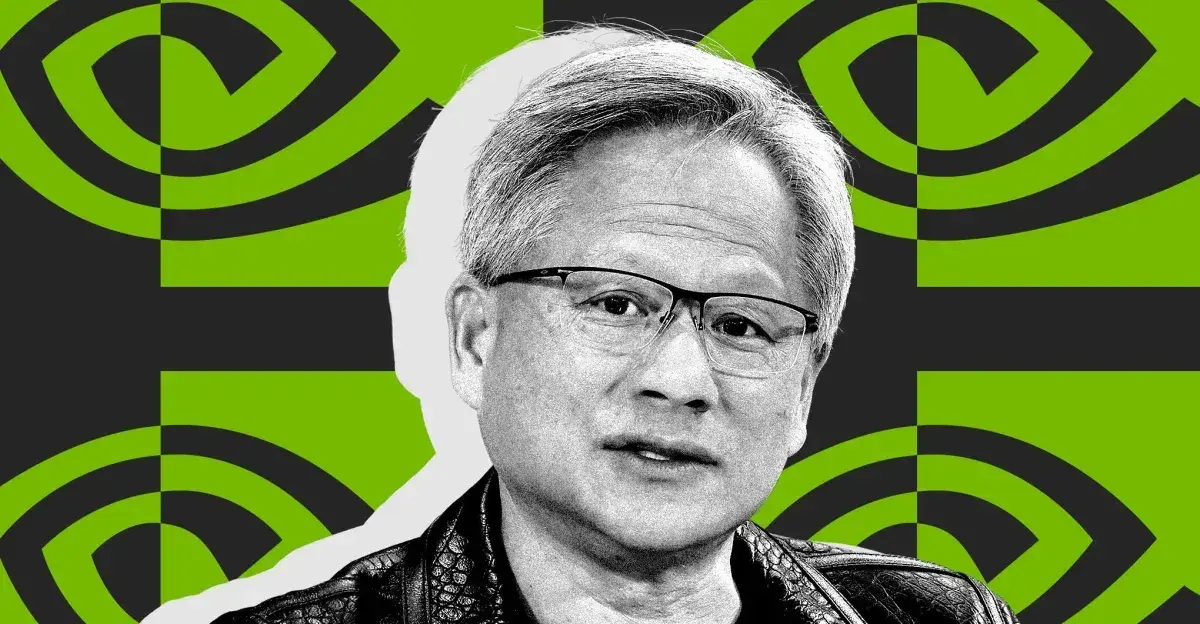
Nvidia Opens Investigation as Jensen Huang Faces Chinese Spy Allegations Linked to $2B Chip Smuggling
Policy and Regulation
Recent Highlights
Today's Top Stories







Don’t drown in AI news. We cut through the noise - filtering, ranking and summarizing the most important AI news, breakthroughs and research daily. Follow topics that matter to you and stay ahead.


