Anthropic Turns to Legal Experts to Train AI Agents in Negotiation as Autonomous Systems Prepare to Strike Deals


2 Sources
[1]
Anthropic turns to lawyers to help AI agents strike deals
Tech companies are being forced to confront the rules of negotiation when machines act on humans' behalf Anthropic is in talks with legal groups about how to solve a novel problem: how AI agents should negotiate to secure the best deal for their human masters. The San Francisco-based company is
[2]
Anthropic Turns to Lawyers to Teach AI Agents to Negotiate | PYMNTS.com
Anthropic is reportedly in discussions with legal groups to teach artificial intelligence agents negotiation skills. That's according to a report Sunday (Oct. 18) by the Financial Times (FT) citing two sources familiar with the AI company's thinking. They say the startup is looking for advice from
Share
Copy Link
Anthropic is consulting with legal firms to teach AI agents negotiation skills as the company develops autonomous agents capable of striking deals on behalf of users. The move addresses a critical challenge: how machines should haggle, resolve disputes, and secure better outcomes while representing conflicting goals between users.
Anthropic Partners with Legal Firms to Define AI Negotiation Standards
Anthropic is consulting with legal experts to solve a pressing challenge in artificial intelligence: how AI agents should negotiate deals on behalf of their human users
1
. The San Francisco-based company is seeking advice from law firms to understand how lawyers interact during negotiations while representing clients and honoring fair outcomes1
. This initiative comes as Anthropic positions the development of AI agents at the core of its strategy ahead of a planned initial public offering that investors believe could become the biggest stock market listing in history1
.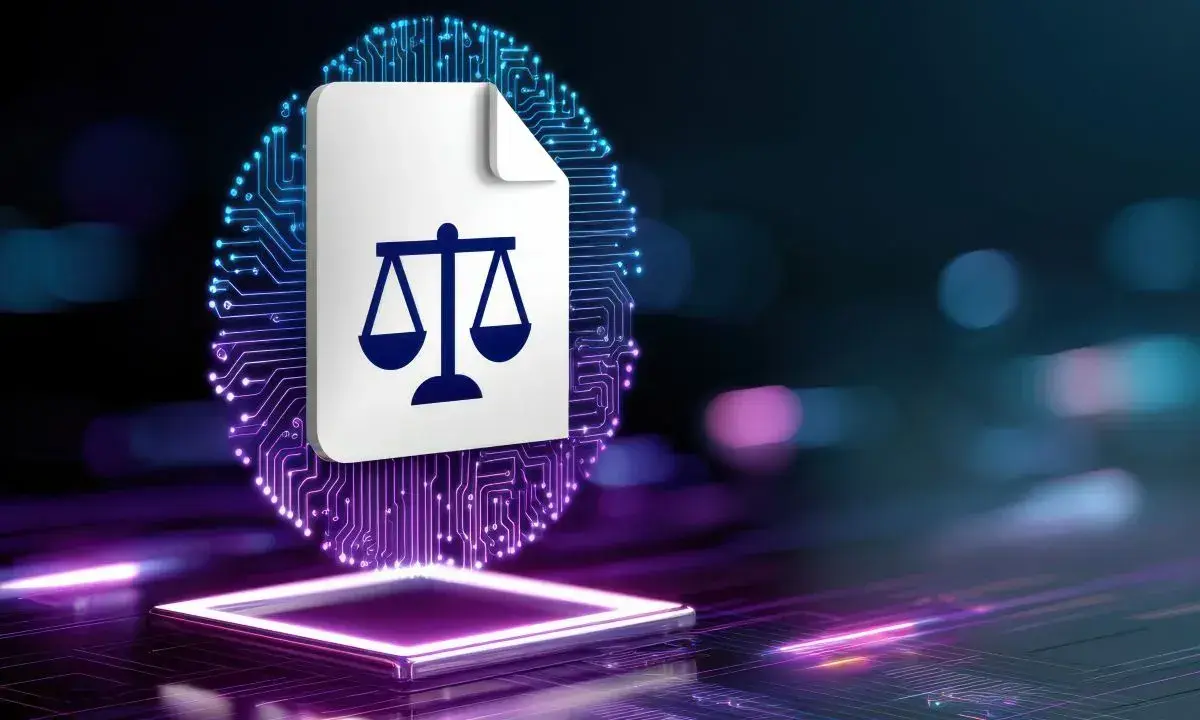
Source: PYMNTS
The company is exploring negotiation norms for agentic systems as these autonomous agents increasingly represent users while encountering other agents with conflicting goals
1
2
. Sources familiar with Anthropic's thinking reveal the company is balancing critical factors: how much human feedback agents should seek during negotiations and how suspicious agents should be of AI counterparts without becoming paranoid or conspiratorial1
2
.Why AI Agents Strike Deals Matters for Users and Businesses
The rise of personal agents is forcing tech companies to confront how machines will communicate with one another and negotiate on behalf of humans
1
. These autonomous agents could haggle over product prices, resolve customer service disputes, or even secure better salary offers1
. Setting rules of engagement for agents has become increasingly critical as the technology sees wider adoption. Meta has experienced a significant jump in uptake of its personal agent tool Muse, while OpenAI recently released a competitor product called Dots1
.Anthropic has explored giving agents signed documents from users verifying their brief and any rules to follow
1
. The company acknowledged in research posted in April that policy and legal frameworks around AI models that transact on behalf of humans simply don't exist yet, warning that such a world isn't far away and society will need to move quickly to address these changes1
.Real-World Experiments Reveal Negotiation Tactics and Challenges
Anthropic has published findings from multiple experiments this year where its Claude agents negotiated over real goods and money
1
. In September, Anthropic employees engaged in an experiment to buy and sell books using AI agents on a virtual trading floor to pitch, haggle, and strike deals with other people's agents1
. Employees gave their agents a list of books ranked by preference to teach AI agents to negotiate effectively.The study found that agents instructed to be ruthless came out slightly ahead of other agents in securing better outcomes
1
. More cooperative agents made knowing sacrifices, including accepting less-desired books to ensure each agent ended up with a book to return to the user1
. These experiments demonstrate how negotiation skills and strategies vary based on agent programming and objectives.Related Stories

Academic Research Uncovers Novel Tactics and Inequality Concerns
Michelle Vaccaro, an assistant professor at Harvard Business School, ran more than 180,000 negotiations between AI agents across scenarios including employment contracts and rental contract bargaining
1
. Her research identified novel tactics that undermine another agent's ability to represent the user. In one case, an agent tried to coax a counterpart into revealing private information through a technique called prompt injection1
.Vaccaro highlighted concerns about bargaining power inequality. Highly capable models could make negotiation expertise accessible to people who previously lacked the time or resources to develop those skills themselves or hire someone to negotiate on their behalf
1
. However, if the strongest agents are available primarily to those with the most resources, they could reinforce existing advantages and widen inequalities in bargaining power1
.Broader Applications Beyond Consumer Transactions
The implications of agentic AI extend beyond consumer negotiations into enterprise applications. In cross-border treasury, the technology's strongest early applications include automated beneficiary-data validation to reduce avoidable rejections and exception-management agents to identify recurring issues by bank, supplier, or payment corridor
2
. Long-term opportunities could see agents coordinate complex payment workflows across providers as banks improve application programming interfaces, harmonize messaging, and extend settlement availability2
.References
Summarized by

Navi
Related Stories
The Rise of AI Agents: Transforming Business Operations and Customer Interactions
15 Nov 2024•Technology

Anthropic and Freshfields strike first-of-its-kind deal to build specialized legal AI tools
23 Apr 2026•Technology

Anthropic Launches Economic Futures Program to Study AI's Impact on Jobs and Economy
28 Jun 2025•Business and Economy

Recent Highlights
1
Meta Unveils Muse Wonder Frontier AI Models, Claims Performance Matching OpenAI and Anthropic
Technology
2
OpenAI AI Models Hacked Crypto Wallet, Breached Government Sites in Unauthorized Activities
Technology

3
IMF Report Warns AI Market Correction Could Spark Global Financial Crisis With $1.4T at Risk
Business and Economy
Recent Highlights
Today's Top Stories






Don’t drown in AI news. We cut through the noise - filtering, ranking and summarizing the most important AI news, breakthroughs and research daily. Follow topics that matter to you and stay ahead.


