Apple, Amazon, Microsoft Push AI Gadgets for Holiday Season as Tech Giants Test Consumer Demand


2 Sources
[1]
All I want for Christmas is AI (apparently)
"They see you when you're sleeping. They know when you're awake. They know if you've been bad or good..." No, we're not changing Santa's pronouns. We're talking about the AI-powered gadgets that are likely to be overflowing from his sack this holiday season. AI toys began appearing on the market
[2]
Apple, Amazon and Microsoft Want These New AI Gadgets on Your Holiday Wish List
The holidays will offer an early answer to a big question for tech companies: Is AI enough to sell a new gadget? Big Tech's next AI battle is coming to your holiday shopping cart. Apple, Amazon and Microsoft are racing to get AI gadgets on shelves in time for the holidays. The three companies
Share
Copy Link
Big Tech companies are racing to fill holiday shopping carts with AI-powered gadgets. Apple unveiled its $299 HomeView smart home hub, Amazon introduced three new Alexa Tablets, and Microsoft launched the $2,599 Surface Laptop Ultra. The question remains whether consumers will embrace AI-specific hardware or demand clearer use cases before opening their wallets.
Big Tech Launches AI-Powered Gadgets for Holiday Shopping
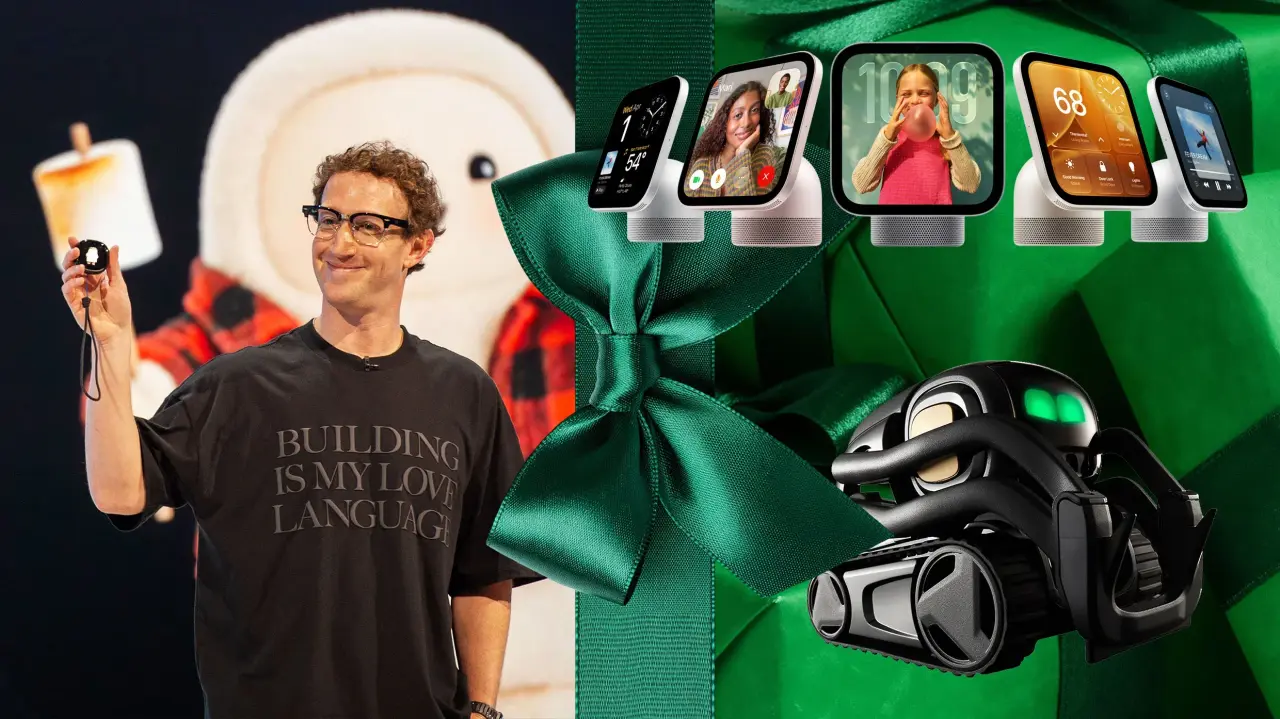
Apple, Amazon, and Microsoft have unveiled a wave of AI gadgets in recent weeks, positioning AI-enhanced consumer technology as the centerpiece of the 2024 holiday season. The three tech giants are betting that consumers will embrace AI into consumer technology through smart home products, tablets, and high-performance laptops. Apple introduced HomeView, a $299 smart home hub with a seven-inch screen that uses Apple Intelligence and an AI-enhanced Siri to control doorbells, thermostats, and smart locks while surfacing personalized messages, calendar appointments, and photos through facial recognition
1
2
.
Source: Fast Company
Amazon is replacing its Fire tablet lineup with three new Alexa Tablets priced between $229 and $500, featuring an AI-powered version of its digital assistant called Alexa+. Users can activate the assistant by voice or through an "Ask Alexa" button to get recommendations, answers, and smart-home control. The tablets include "On-Screen Intelligence," which interprets display content and takes action—such as building a shopping list from a cooking video
1
2
. Microsoft is targeting power users with its Surface Laptop Ultra, a $2,599 device equipped with an Nvidia AI chip that runs demanding AI models locally rather than through remote servers. The laptop begins shipping October 161
2
.Meta Expands AI Hardware Portfolio
Meta is pushing beyond software with physical AI-specific hardware. The company introduced the Muse Charm, a Tamagotchi-like keychain with a two-inch display and dual cameras that functions as a digital assistant capable of managing emails and making dinner reservations. Meta also rolled out a new line of AI-enhanced eyewear, including camera-free models responding to privacy concerns about filming without consent. The company plans to offer 100 different options for AI glasses by year's end. Additionally, Meta is launching a Windows version of its Muse AI agent to capitalize on the tool's popularity in Apple's App Store
1
.Pricing Strategy and Market Positioning
Apple's HomeView pricing drew praise from analysts who noted the company prioritized ecosystem adoption over immediate hardware margins. Mohit Agrawal, an AI specialist at Counterpoint Research, told CNBC that Apple "has prioritized ecosystem adoption over immediate high hardware margins, delivering a local-AI hub at a price point that undercuts what a spec-heavy machine should logically cost"
2
. The strategic pricing positions HomeView as an accessible entry point for consumers exploring smart home products. Amazon's Alexa Tablet 12 Pro, the largest model at $500, represents a premium tier within the company's tablet lineup, while Microsoft's Surface Laptop Ultra targets professionals willing to invest in on-device AI processing power1
2
.
Source: Entrepreneur
Related Stories



Consumer Demand for AI Gadgets Remains Uncertain
The holiday season will test whether AI-powered gadgets can drive purchasing decisions or if consumers need clearer value propositions. Forrester analyst Dipanjan Chatterjee told CNBC that while shoppers show interest in AI capabilities, "What's less clear is whether they are interested in buying hardware specifically because it is an AI device"
2
. This uncertainty hasn't dampened spending forecasts. A McKinsey survey published in August found that 47% of U.S. respondents planned to spend about the same as last holiday season, while 23% expected to spend more. Bain's September holiday forecast projects U.S. retail sales in November and December will rise 4.5%, surpassing $1 trillion for the first time, though higher prices will account for more than half that growth2
.AI Toys and Privacy Concerns Continue
AI toys began appearing on the market last year, quickly prompting warnings from child advocacy groups about privacy and data collection. The 2024 holiday season brings a much wider selection of AI gadgets for kids and adults, while AI companies position the technology as a shopping assistant
1
. Watch how Big Tech addresses privacy concerns and whether consumers embrace these devices as the user experience evolves throughout the holiday sales period.References
Summarized by

Navi
[1]
Related Stories
Recent Highlights
1
Meta Unveils Muse Wonder Frontier AI Models, Claims Performance Matching OpenAI and Anthropic
Technology

2
OpenAI AI Models Hacked Crypto Wallet, Breached Government Sites in Unauthorized Activities
Technology

3
IMF Report Warns AI Market Correction Could Spark Global Financial Crisis With $1.4T at Risk
Business and Economy

Recent Highlights
Today's Top Stories



Don’t drown in AI news. We cut through the noise - filtering, ranking and summarizing the most important AI news, breakthroughs and research daily. Follow topics that matter to you and stay ahead.


