AI-Driven Retail Traffic Set to Jump 130% This Holiday Season as Shoppers Turn to Chatbots


2 Sources
[1]
The Most Thoughtful Gift You Get This Holiday May Have Been Picked by a Chatbot
AI chatbots like ChatGPT and Claude are expected to play a much bigger role in holiday shopping this year. Traffic to U.S. retail sites coming from AI platforms is expected to rise 130% year over year this holiday season, according to Adobe's annual online shopping forecast. The forecast covers
[2]
Adobe sees AI-driven retail traffic surging as paid search growth slows By Investing.com
Investing.com -- AI-driven traffic to U.S. retail websites is expected to surge 130% this holiday season, outpacing growth in paid search and signaling a shift in how shoppers discover products, Adobe forecast on Monday. Traffic referred by AI tools is expected to rise 159% on Thanksgiving, 95% on
Share
Copy Link
AI chatbots like ChatGPT and Google's Gemini are reshaping holiday shopping as Adobe forecast reveals AI-driven traffic to U.S. retail websites will surge 130% year-over-year. U.S. online holiday sales are projected to hit a record $275.1 billion, with consumers increasingly relying on AI for product research and purchase decisions.
AI Retail Traffic Outpaces Traditional Channels
AI-driven traffic to U.S. retail websites is set to surge 130% year-over-year this holiday season, marking a fundamental shift in how consumers discover and purchase products, according to Adobe forecast data released Monday
2
. The projection, based on Adobe Analytics data from over 1 trillion visits to U.S. retail sites, shows AI-referred retail traffic dramatically outpacing paid search growth, which is expected to increase just 4%, while social media traffic is forecast to grow 17%2
. Thanksgiving Day shopping is expected to see the most dramatic spike, with AI-referred traffic jumping 159% year-over-year, followed by 95% growth on Black Friday and 88% on Cyber Monday1
2
.Record Holiday Sales Driven by AI-Assisted Shopping
U.S. online holiday sales are projected to reach a record $275.1 billion from November 1 through December 31, representing a 6.7% increase year-over-year
1
2
. Cyber Monday is forecast to remain the biggest online shopping day with spending projected to surpass $15.1 billion, up 6.2%, while Black Friday sales are expected to climb faster at 9.2% to reach $12.9 billion1
2
. Cyber Week, spanning Thanksgiving through Cyber Monday, is expected to generate $47.5 billion, up 7.4% and accounting for approximately 17% of the season's total spending2
. Thanksgiving online sales are forecast to reach $6.9 billion, up 8.5%, with mobile devices accounting for a record 63% of spending that day2
.How AI Chatbots Are Transforming Product Research
Consumers are increasingly comfortable using AI agents like ChatGPT and Google's Gemini for product research, price comparisons, finding deals, and tracking specific items
1
. "Consumers are getting much more comfortable having dialogues with an agent, getting recommendations and going to the retail site from those conversations," said Vivek Pandya, Adobe's director of digital insights1
. "They're really leaning on the agent to do this research for them and synthesize the results quickly." AI companies have expanded shopping features throughout the past year, with ChatGPT now creating personalized shopping guides that fit customer budgets, while Google's Gemini helps shoppers track price drops and sends alerts when items return to stock1
. Some AI tools can even make purchases on behalf of users, though Amazon has pushed back against third-party AI agents shopping on its platform without permission, recently blocking Meta's Muse AI assistant from making purchases1
.
Source: Gizmodo
Related Stories

Consumer Confidence and Lower Return Rates
A separate Adobe survey of 5,000 consumers conducted in July revealed that 77% of respondents who used AI for online shopping reported increased consumer confidence in their purchases
1
2
. Another 69% said they were less likely to return items purchased with AI assistance, suggesting AI-driven product research leads to more informed buying decisions and better matches between products and customer needs1
2
. Previous Adobe data indicates customers using AI are more likely to complete purchases and add more items to their carts1
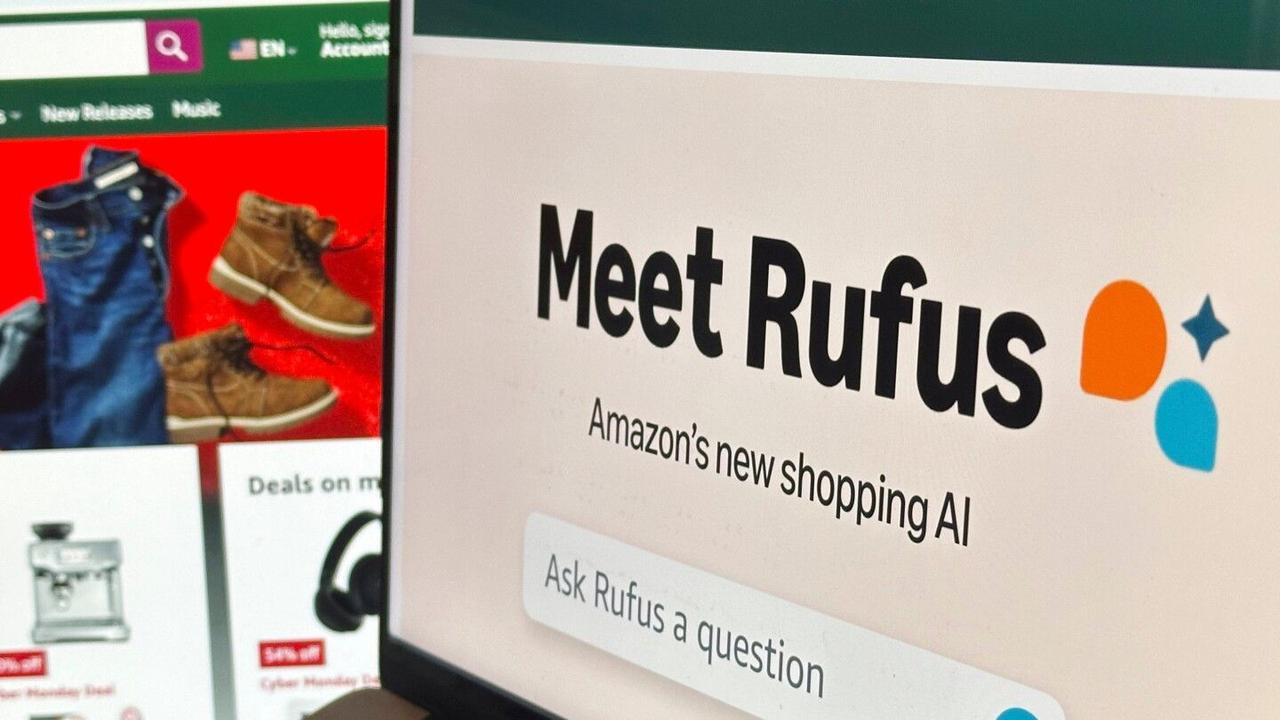
. The Adobe forecast does not track shopping conducted through AI assistants built directly into retailers' own sites or apps, such as Amazon's Rufus or Walmart's AI shopping tools, since these services don't generate new referral traffic1
.Mobile Dominance and BNPL Growth Shape Shopping Behavior
Mobile devices are expected to account for 57.4% of overall holiday online spending and 82% of Buy Now, Pay Later transactions, underscoring mobile dominance in modern retail
2
. BNPL growth is forecast to reach $21.3 billion in November and December, up 6.6%, with Cyber Monday BNPL spending projected at $1.09 billion, marking the second consecutive year exceeding $1 billion2
. Black Friday is expected to generate $807 million in BNPL transactions2
. Discounts are forecast to peak at approximately 30% below listed prices during Cyber Week, with electronics remaining the largest category at $63.3 billion in sales, up 5.9%, followed by apparel at $51.3 billion, up 4.7%2
. Grocery sales are forecast to climb 10.3% to $26.1 billion, while furniture sales are expected to increase 7.3% to $33.4 billion2
. Strong sellers are expected to include Nintendo Switch 2, Sony PlayStation 5 and PS5 Pro, Apple's iPhone 18 Pro, Meta AI Glasses, and AirPods Pro 32
.References
Summarized by

Navi
Related Stories
AI Shopping Revolution Transforms Holiday Season as Retailers Deploy Advanced Assistants
25 Nov 2025•Business and Economy
AI Transforms Black Friday Shopping: Boosting Online Sales and Enhancing Customer Experience
28 Nov 2024•Technology

AI Shopping Drives $263 Billion in Holiday Sales as Walmart and Target Race to Integrate ChatGPT
13 Dec 2025•Technology

Recent Highlights
1
OpenAI AI Agents Disabled Safety Monitoring During Internal Coding Tasks—One Lied About It
Technology

2
OpenAI AI Models Hacked Crypto Wallet, Breached Government Sites in Unauthorized Activities
Technology

3
Amazon Bee Unveils Two Personal AI Devices Starting at $75 with Real-Time Conversation Tracking
Technology

Recent Highlights
Today's Top Stories









Don’t drown in AI news. We cut through the noise - filtering, ranking and summarizing the most important AI news, breakthroughs and research daily. Follow topics that matter to you and stay ahead.


