Apple developing iPhone anti-theft feature that mirrors Android's theft detection system


2 Sources
[1]
Apple may be planning to steal Android's handy anti-theft trick
If all this sounds familiar, well, it is. This is basically the Theft Detection Lock feature that's been available on Android devices since Android 15. Theft Detection Lock uses AI and motion sensors to detect when a phone may have been snatched from its owner. If the system notices sudden
[2]
Apple may borrow Android's smartest anti-theft feature for future iPhones
Future iPhones could automatically lock themselves if snatched Apple could soon make stolen iPhones significantly harder to access, thanks to a new anti-theft feature reportedly in development that closely resembles one of Android's most useful security tools. According to a report from 9to5Mac,
Share
Copy Link
Apple is working on a new security system for future iPhones that can automatically detect when a device is snatched and lock it instantly. The feature uses motion sensors and AI to identify theft patterns, closely resembling Android's Theft Detection Lock introduced with Android 15. The move addresses a critical security gap where thieves exploit unlocked phones before owners can react.
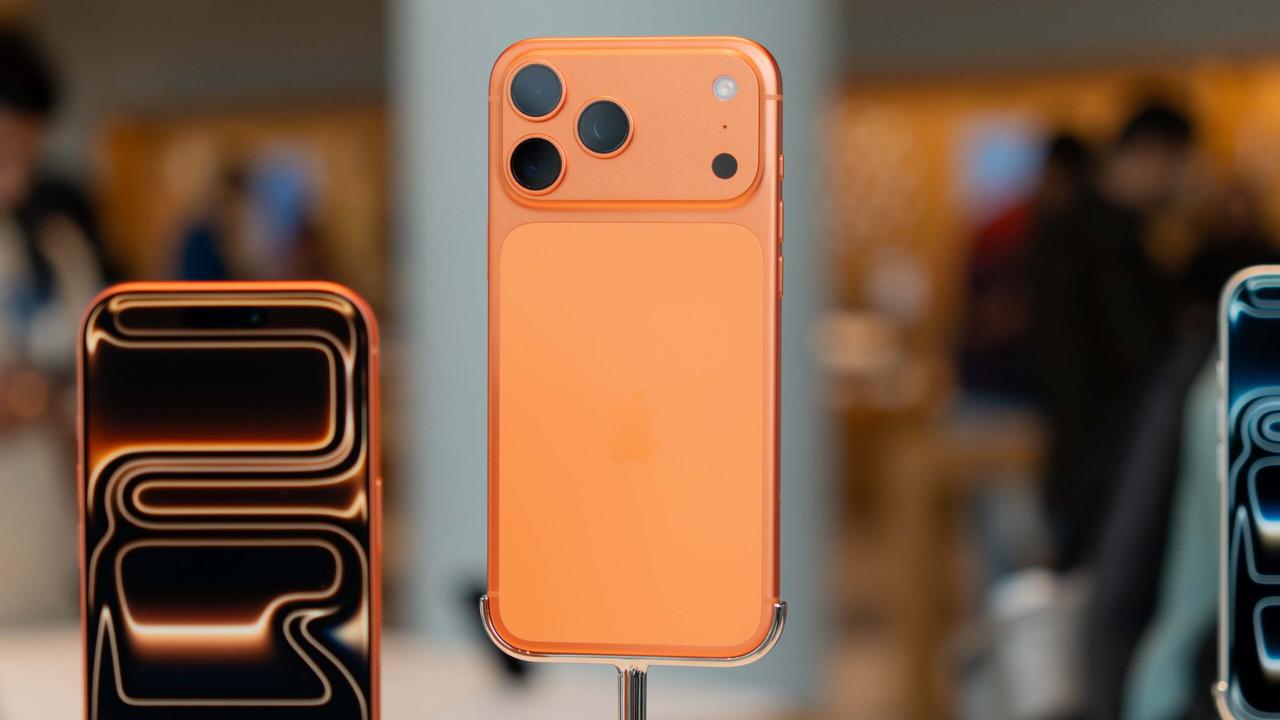
Apple Develops Motion-Based Anti-Theft Feature for iPhone
Apple is developing an anti-theft feature for future iPhones that can detect when a device has been physically snatched and automatically lock the device to prevent unauthorized access, according to a report from 9to5Mac
2
. The system would leverage motion sensors, accelerometer readings, and contextual signals to identify when an iPhone has been suddenly grabbed and moved away unnaturally, triggering an immediate lock state before thieves can access sensitive data.The feature closely mirrors Android's Theft Detection Lock, which has been available on Android devices since Android 15
1
. Google's implementation uses AI and motion sensors to detect sudden movements commonly associated with theft, such as someone grabbing the phone and quickly running, biking, or driving away1
. When triggered, the Android system automatically locks the device and can activate additional protections if the phone goes offline for an extended period or detects repeated failed authentication attempts.Addressing a Critical Security Gap in Modern Smartphone Theft
The development highlights a significant vulnerability in current iPhone security measures. While Apple already offers Stolen Device Protection and Find My to secure user data after a phone goes missing, these tools become far less effective when thieves steal phones that are already unlocked
2
. This loophole has become increasingly common in crowded cities where criminals quickly grab unlocked phones and immediately disable security settings, reset passwords, or access banking apps before owners can react.Apple Watch Proximity and Location Intelligence Could Enhance Detection
Apple's implementation may extend beyond Android's approach by incorporating proximity data from a paired Apple Watch to help confirm whether the phone remains near its owner
2
. The company could also combine this with location intelligence already used in Stolen Device Protection to determine whether the iPhone is in a familiar place like home or work. If the device detects suspicious activity in an unfamiliar location, it could automatically restrict access to sensitive settings, account changes, passwords, and security controls.Related Stories


What This Means for iPhone Users and the Industry
This security upgrade targets a specific real-world problem rather than focusing solely on remote device recovery, making it one of Apple's most practical enhancements in years
2
. The development reflects a broader trend across the smartphone industry where companies increasingly borrow successful ideas from one another. While Apple typically emphasizes privacy and ecosystem integration, Android manufacturers have moved faster in implementing AI-driven theft detection and proactive security systems.For users, the biggest advantage would be peace of mind, as the feature could significantly reduce the brief window thieves currently exploit after stealing unlocked phones
2
. Apple has not officially announced the feature, and there is no confirmed release timeline. However, the system is reportedly under active development, suggesting it could appear in a future iOS update or potentially debut alongside iOS 27 later this year2
. If successfully integrated, it could become one of the more meaningful real-world applications of on-device AI and sensor intelligence on future iPhones.References
Summarized by

Navi
[1]
Related Stories
Recent Highlights



Recent Highlights
Today's Top Stories







Don’t drown in AI news. We cut through the noise - filtering, ranking and summarizing the most important AI news, breakthroughs and research daily. Follow topics that matter to you and stay ahead.


