Google DeepMind unveils Gemini Robotics 2 with intelligent whole-body control for humanoids


17 Sources
[1]
Google reveals Gemini Robotics 2.0, promising improved dexterity and safety
Robots powered by Google's Gemini AI models are now more capable. With the debut of Gemini Robotics 2, these physical bots can now accomplish more complex tasks, continuously analyze changing environments, and collaborate with other robots. This is thanks to a trio of new sub-models, one of which
[2]
Google's Gemini Can Now Stomp Around as a Humanoid Robot
Google DeepMind just released a new version of its artificial intelligence model Gemini, and it can control a range of different robots -- including humanoids capable of dextrous tasks like screwing in lightbulbs and tying trash bags. Gemini Robotics 2 combines several different AI models into a
[3]
Google DeepMind's new AI model can control a robot's entire body
Google DeepMind says the latest version of its Gemini Robotics AI model can "control entire humanoid robots." While the previous model focused on controlling a humanoid robot's upper body, Gemini Robotics 2 now supports "whole-body motions" ranging from its feet to fingertips, according to an
[4]
Google's new Gemini Robotics 2 platform allows for 'intelligent whole-body control' - Engadget
The company made a video of the bots in action doing stuff like cleaning trash and picking up watering cans. Google DeepMind just announced a new version of its artificial intelligence model Gemini that can control a range of robots. This includes humanoid robots capable of tasks like cleaning up
[5]

Google DeepMind's Gemini Robotics 2 controls whole humanoids
Google DeepMind has released Gemini Robotics 2, a family of models that can control a humanoid from its feet to its fingertips, coordinate several robots at once, and adapt to a new machine in a few hours. It is a real step toward "physical AI," though DeepMind's own figures show the robots are
[6]

Google's Gemini Robotics 2 gives humanoid robots full-body control
Google has introduced Gemini Robotics 2, a new robotics model designed to control entire humanoid robots, giving them the ability to walk, bend, balance, and manipulate objects while completing complex tasks. The company says the system can also coordinate multiple robots and adapt to different
[7]

Google updates its AI software for robots
Why it matters: It's part of a growing trend toward using AI models to make humanoid and other robots more versatile. Driving the news: The effort includes both models that control robots' individual physical actions and those designed to handle higher-level task planning. * The update builds on
[8]

Gemini Robotics 2 brings whole body intelligence to robots
From feet to fingertips -- we are teaching robots intelligent whole-body control, fine dexterity, and teamwork to complete a broad range of complex tasks For decades, we've dreamed of robots that can seamlessly step into our world and lend a hand. Now, that vision takes a significant stride
[9]

Google's new AI gives robots better balance, smarter hands, and teamwork capabilities
Google just made robots a lot less clumsy and a lot more helpful. Google DeepMind just brought sci-fi robots closer to reality, and it is very exciting. Building on its original Gemini Robotics model, the company has introduced Gemini Robotics 2, an AI system designed to help robots think, move,
[10]

Introducing Gemini Robotics ER 2
Summaries were generated by Google AI. Generative AI is experimental. For robots to assist humans in everyday environments, accurate spatial reasoning is not enough. Robots must also think fast, timing their decisions and reasoning with the real-time speed of the physical world. That's why today
[11]

Google DeepMind debuts Gemini Robotics 2 model series for humanoid robots
Alphabet Inc.'s artificial intelligence research lab today debuted a family of models optimized to power humanoid robots. Google DeepMind says that the Gemini Robotics 2 series enables multiple autonomous machines to collaborate on a task. According to the company, it can automate chores that
[12]

Gemini Robotics 2 gives robots full-body AI control
Google DeepMind announced Gemini Robotics 2, a new version of its Gemini AI model that can control a range of robots, including humanoid machines with what the company called "intelligent whole-body control." Google released a video showing the robots cleaning trash, picking up watering cans,
[13]

Google unveils Gemini Robotics 2 family, expands AI models for humanoid robots
Google DeepMind unveiled Gemini Robotics 2, a new AI model family for robots. These models enable robots to move their entire bodies and handle delicate tasks. The ER 2 model plans and manages complex tasks, while On-Device 2 operates offline. Gemini Robotics 2 allows full humanoid robots to
[14]

Google Unveils Gemini Robotics 2 with Whole-Body Control
Google has introduced Gemini Robotics 2, a system that merges advanced artificial intelligence with robotics to address complex tasks in dynamic environments. According to AI Grid, the system features capabilities such as whole-body control and dexterous manipulation, allowing it to perform actions
[15]

Google unveils Gemini Robotics ER 2 with video understanding and multi-robot collaboration
Google has introduced Gemini Robotics ER 2, an embodied reasoning model for robotics that combines video understanding, task orchestration and multi-robot collaboration. The model enables robots to understand the physical world, interact with humans, plan multi-step tasks and adapt their actions
[16]

Google Launches Gemini Robotics 2 for Humanoid Robots
Google has introduced Gemini Robotics 2, a new AI platform for humanoid robots that helps them understand, move, and complete real-world tasks across different industries. Google has taken another big step in robotics with the launch of Gemini Robotics 2. DeepMind has revealed this new AI model
[17]

Google Introduces Gemini Robotics Er 2
Google introduced Gemini Robotics ER 2 represents a step change in powering robots with video understanding, task orchestration, and multi-robot collaboration ? making it possible for robots to be more helpful in the physical world. For robots to assist humans in everyday environments, accurate
Share
Copy Link
Google DeepMind launched Gemini Robotics 2, an AI model that controls entire humanoid robots from feet to fingertips. The system coordinates multiple robots, adapts to new machines in hours, and performs complex tasks like tying trash bags and screwing in lightbulbs. Despite improved dexterity reaching 92% accuracy on some tasks, fiddlier operations still lag at 40-44% success rates.
Google DeepMind Advances Toward Physical AGI
Google DeepMind has released Gemini Robotics 2, marking a significant shift in how AI models interact with the physical world. Unlike its predecessor, which focused on upper-body movements, this AI model now enables intelligent whole-body control of humanoid robots, from feet to fingertips. The release represents what Carolina Parada, head of robotics at Google DeepMind, describes as "another milestone in our path towards really getting towards what we call like physical AGI, which means we get a robot to do anything that a human can"
2
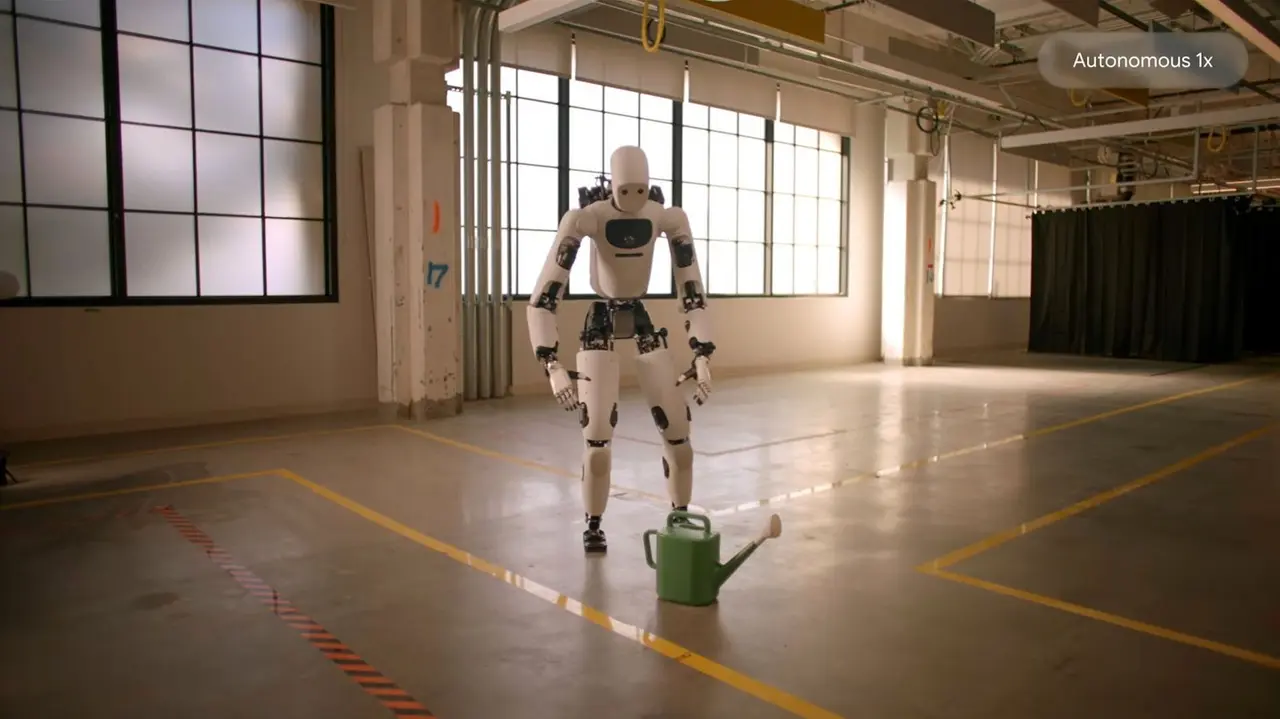
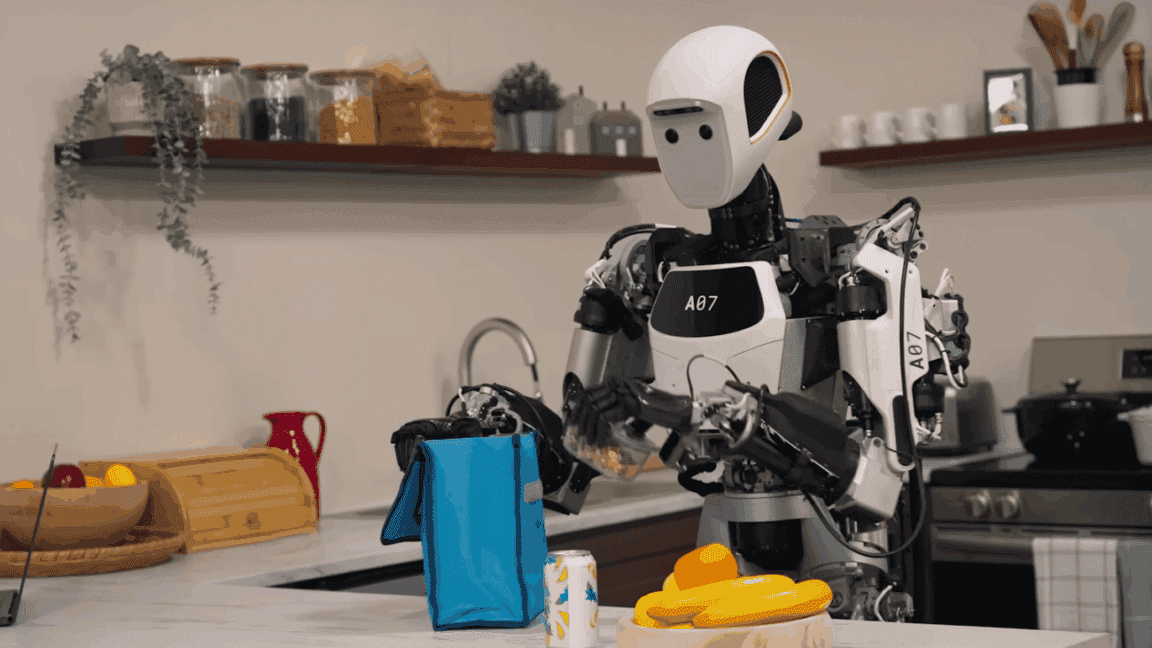
.The system demonstrated its capabilities through Apptronik's Apollo 2 robot, which performed tasks ranging from bending over to pick up watering cans to finding and retrieving specific items from shelves
3
. Videos shared by the company show fully autonomous robots performing real-time tasks like putting tape into a boombox, screwing in lightbulbs, and tying garbage bags4
.
Source: Engadget
Three Models Working as One System
Gemini Robotics 2 actually comprises three distinct models working in concert. The core vision language action model translates what a robot sees and hears into motor commands, handling the physical execution
5
. This vision language model processes live video feeds from robot cameras, allowing the system to track progress as machines move from one step to the next1
.The embodied reasoning model, Gemini Robotics ER 2, serves as the high-level brain that plans multi-step tasks. This component can classify video frame completeness with almost 60 percent accuracy and identify key moments with almost 90 percent accuracy
1
. When a robot attempts to pour coffee, for instance, the embodied reasoning model determines precisely when to stop pouring. The system now understands when tasks begin and end, enabling real-time failure recovery—if a ball rolls away during pickup, the robot can readjust its hand position rather than restarting the entire sequence1
.
Source: Wired
On-Device 2, the third component, runs locally without internet connectivity. This model can adapt to entirely new robot designs with fewer than 200 examples and just a few hours of training data
1
. The ability to transfer learned skills between different machine bodies addresses one of robotics' most persistent challenges.Enhanced Dexterity Meets Real-World Limits
The improved dexterity now supports complex five-fingered, 22-joint hands capable of sealing Ziploc bags, tying knots, and unscrewing lightbulbs
5
. Google DeepMind trained these generalist robotics capabilities using a mix of human teleoperation, video examples, and simulations2
.Yet the company's own figures reveal persistent gaps. The system achieved 92 percent success unscrewing light bulbs, but fiddlier operations lagged significantly—trash bag ties succeeded 44 percent of the time, while Ziploc seals reached only 40 percent
5
. The robots remain noticeably slow, pausing to process movements that humans execute without thought. Kanishka Rao, a DeepMind robotics director, acknowledged that true dexterity remains distant and that robots still learn far less efficiently than humans5
.Multi-Robot Coordination and Collaboration
Gemini Robotics ER 2 enables multi-robot coordination, allowing different machine types to work together on shared tasks. Demonstrations showed Apollo 2 instructing Google's dual-arm robot to place tools in a bin while cleaning a garage. Another video featured Apollo 2 working alongside the simpler Franka F3 Duo without interference
1
. While test robots can't match human speed or grace, they demonstrate less hesitation than in previous iterations.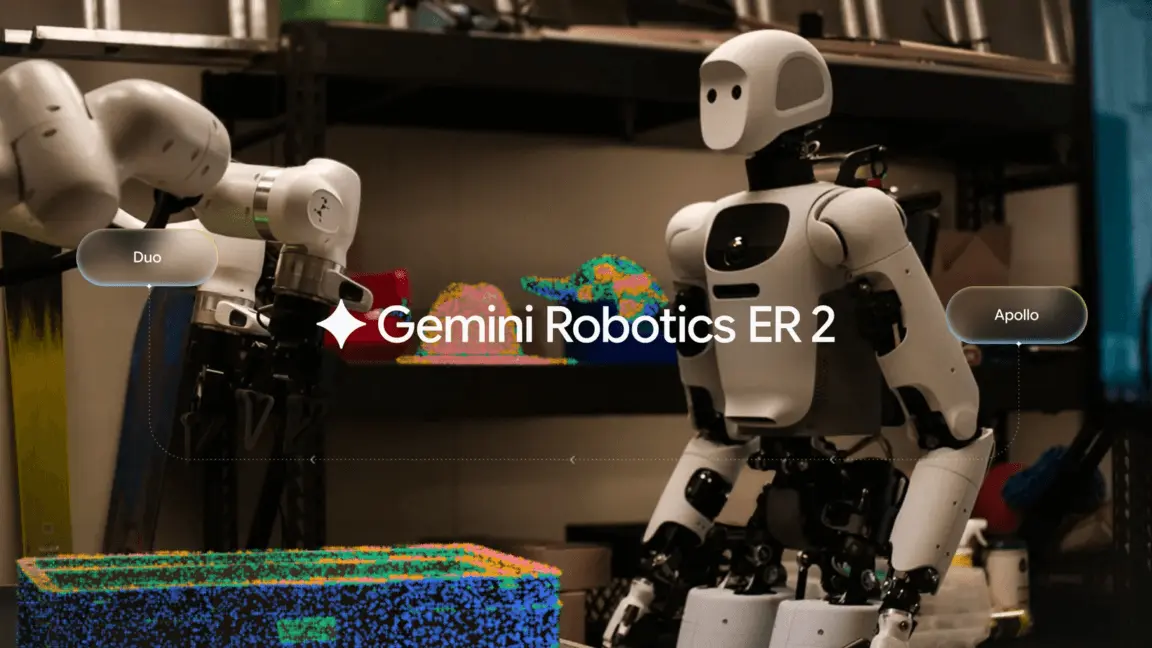
Source: Ars Technica
Related Stories
Robot Safety Through ASIMOV-Agentic Benchmark
As AI gains physical embodiment, the potential harm from mistakes escalates beyond digital hallucinations. Google DeepMind addresses this through what Parada calls a "multi-layered approach," with guardrails applied to each model layer
2
. The company introduced ASIMOV-Agentic, a safety benchmark that evaluates whether an embodied reasoning model will refuse unsafe tool calls from a vision language action model1
.This benchmark also determines whether tasks can be completed safely and whether the system requests human assistance when uncertain
1
. Gemini Robotics ER 2 demonstrates improved ability to detect when humans are nearby and halt actions until people move to a safe distance. The complete safety benchmark is now available on Hugging Face.Competition Intensifies in Physical AI Race
Google DeepMind's release comes as OpenAI and Nvidia build competing robot models, with all three pursuing the same vision: one model capable of controlling any robot body
5
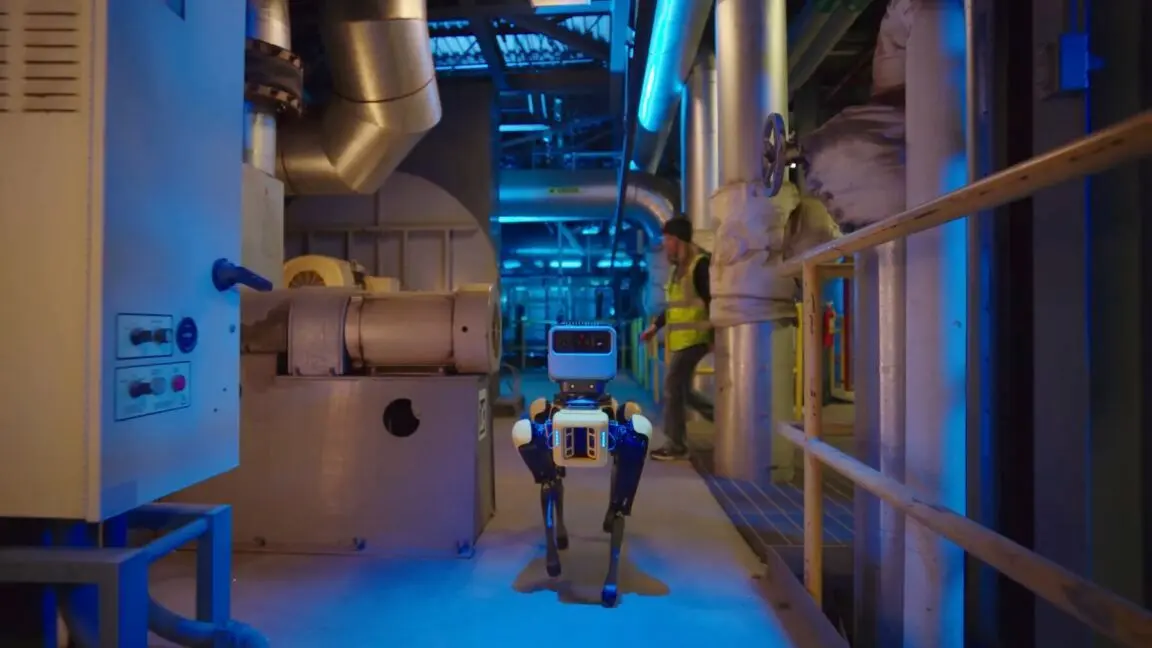
. While Anthropic and OpenAI have led in chatbots and coding tools, Google maintains a stronger track record in robotics research and previously partnered with Boston Dynamics to provide AI brains for their machines2
.The contrast with Elon Musk's Optimus robots is stark—a high-profile demonstration was proven to use human teleoperation to control the machines
4
. Google emphasizes its demonstrations feature fully autonomous robots operating in real-time. CEO Demis Hassabis has expressed hopes to develop an AI operating system for robots similar to Android for smartphones2
.Gemini Robotics ER 2 is now available to developers through the Gemini Live API and Google AI Studio, while the full action models remain limited to a small group of testers. Google is collaborating with over 100 trusted testers and Western partners including Apptronik, Boston Dynamics, and Agile Robots
5
. However, hardware supply faces political complications, as the US recently moved to ban future sales of Chinese-made robots on security grounds5
.References
Summarized by

Navi
[4]
[5]
Related Stories
Recent Highlights



Recent Highlights
Today's Top Stories







Don’t drown in AI news. We cut through the noise - filtering, ranking and summarizing the most important AI news, breakthroughs and research daily. Follow topics that matter to you and stay ahead.


