Apple rebuilt Siri from the ground up after scrapping first version that 'didn't deliver'


4 Sources
[1]
Apple just said the thing about Siri that we've long wanted to hear
Siri AI is a major overhaul for Apple's assistant, and so far in the iOS 27 beta, it's very good. One upgrade I'm especially excited about is that it's the same Siri everywhere, regardless of what device you use -- which Apple explains in a new interview was a very intentional goal. Siri AI was
[2]
'We tore it to the ground': Apple says it built Siri AI 'from the ground up', but admits this wasn't the original plan -- a first version of its new voice assistant was ready last year
* Apple has explained why Siri's AI overhaul has taken so long * Initially, the company built an "iterative" version on top of the existing Siri, but this didn't deliver on Apple's vision * So instead Siri was then rebuilt from the ground up Siri's AI overhaul is finally set to arrive later this
[3]
Apple explains why Siri's major iOS 27 overhaul took so long
iOS 27's new Siri AI is a huge upgrade from the old Siri, but it also took longer than expected to arrive. Here's why the new Siri took so long, per Mike Rockwell. Mike Rockwell says Apple 'tore [Siri] to the ground, rebuilt it from the ground up' for iOS 27 Last week following Apple's WWDC
[4]
Apple explains why the big Siri AI revamp took so long - and it actually makes a lot of sense
Apple tore Siri down and rebuilt it on the new Apple Intelligence Foundational Models. No wonder it took forever. Apple has explained why the new Siri AI assistant - powered by Google's Gemini - took so long to come to fruition. The company had received serious criticism for the long delays and
Share
Copy Link
Apple has revealed why its Siri AI overhaul took two years to arrive. The company built an initial version in 2025 that added features incrementally, but leadership decided it didn't meet their vision. So Apple tore down the old architecture and rebuilt Siri from the ground up on new AI models, creating a consistent experience across all devices.
Apple's AI-Driven Overhaul of Siri Required Complete Rebuild
Apple has finally explained the lengthy delay behind Siri AI, revealing that the company abandoned an initial working version of its digital assistant in favor of a complete reconstruction. Mike Rockwell, who assumed leadership of the Siri platform in 2025, disclosed during a post-WWDC press roundtable that Apple had "actually built a first version of this that was sort of incremental on top of the original Siri that added tool calling, and we had it working." However, the team concluded this approach wasn't delivering on their vision for what the new AI-powered Siri should be
2
3
.
Source: 9to5Mac
Decision to Rebuild Siri From the Ground Up Delayed Launch
Rather than settle for incremental improvements, Apple made the strategic decision to completely tear down the existing infrastructure. "We rebuilt Siri from the ground up, literally, tore it to the ground," Rockwell explained, noting that the new architecture sits atop the Apple Intelligence Foundational Models
4
. This fundamental shift in approach explains the two-year gap between the original announcement at WWDC 2024 and the actual delivery in iOS 27. The result is what Rockwell describes as "a profoundly more capable Siri" that functions as its own application and serves as a natively multimodal AI assistant with privacy built into its core design3
.Consistent Cross-Device Experience Addresses Long-Standing User Frustration
One of the most significant improvements in the Siri overhaul addresses a complaint that has frustrated users for years: fragmented capabilities across Apple's ecosystem. David Clark, Apple's senior director of watchOS software engineering, emphasized in an interview with TechRadar that the company "really wanted to make sure the Siri experience is a singular and consistent experience, whether I decide to ask Siri on my wrist a question, or whether I have my phone in my hand"
1
. The old Siri had different capabilities depending on whether you used it on iPhone, Apple Watch, HomePod, Mac, or Apple TV, creating an inconsistent user experience that undermined Apple's typically seamless ecosystem integration.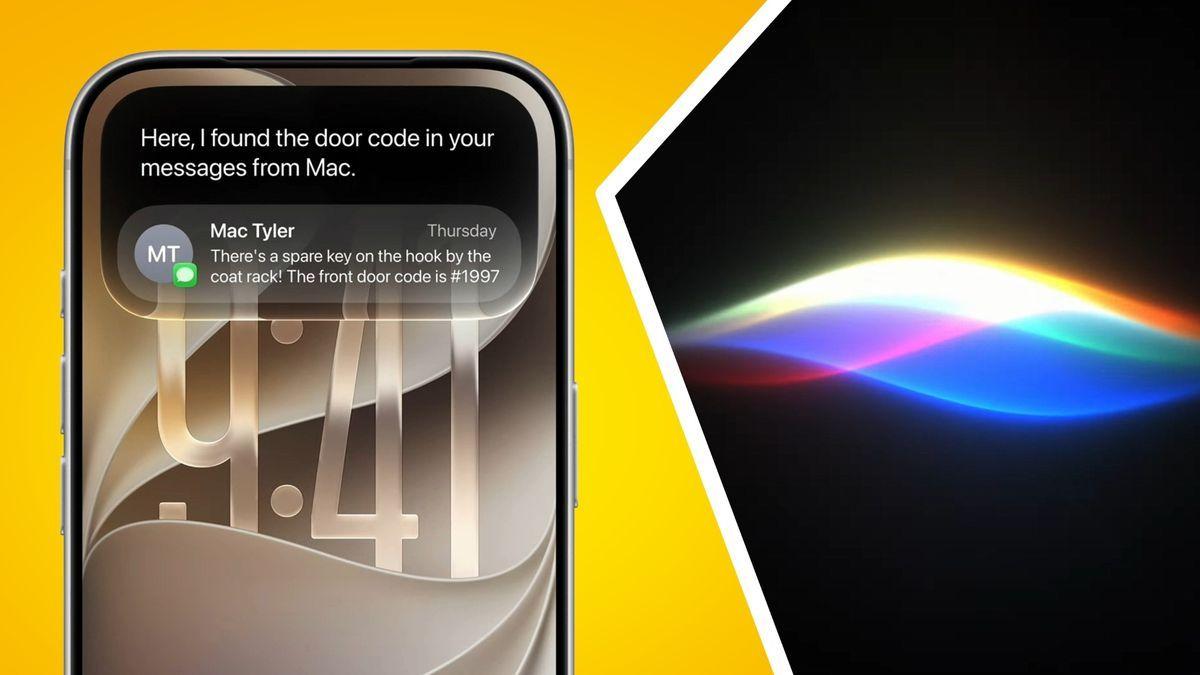
Source: TechRadar
Related Stories

Privacy-Focused AI Assistant Works Across All Apple Platforms
The new Siri AI is now available across iPhone, iPad, Mac, Apple Watch, Vision Pro, CarPlay, and AirPods, with the same intelligence and capabilities on each platform
3
. This unified approach means the voice assistant can access your data and personalize responses consistently regardless of which device you're using. The privacy-focused AI assistant maintains Apple's commitment to user data protection while delivering features like on-screen awareness and deep contextual understanding4
. For users with compatible hardware devices, this represents a fundamental shift in how Siri integrates into daily workflows across the Apple ecosystem, potentially setting the stage for new HomePod and Apple TV 4K releases that can fully leverage these enhanced capabilities.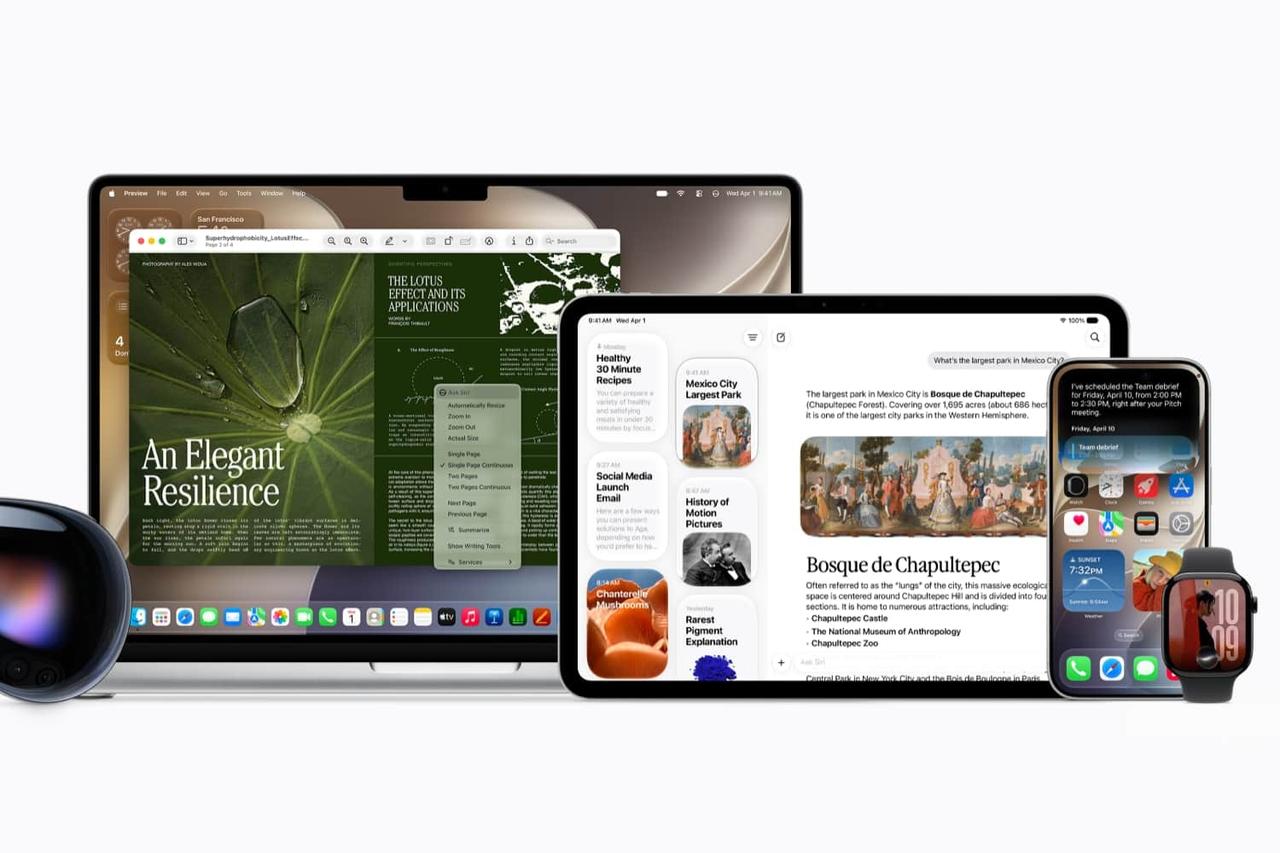
Source: Stuff
References
Summarized by

Navi
Related Stories
Apple's Ambitious Siri Overhaul: A Game-Changing AI Assistant in the Making
10 Aug 2025•Technology
Apple launches dedicated Siri app, marking the assistant's biggest transformation yet
08 Jun 2026•Technology

Apple's Siri AI Upgrade Faces Significant Delays, Causing Internal Turmoil
15 Mar 2025•Technology

Recent Highlights



Recent Highlights
Today's Top Stories






Don’t drown in AI news. We cut through the noise - filtering, ranking and summarizing the most important AI news, breakthroughs and research daily. Follow topics that matter to you and stay ahead.


