3 Sources
[1]
Apple's $250 Million AI iPhone Settlement Is Coming Sooner Than Expected. Learn Who's Eligible for a Payout - CNET
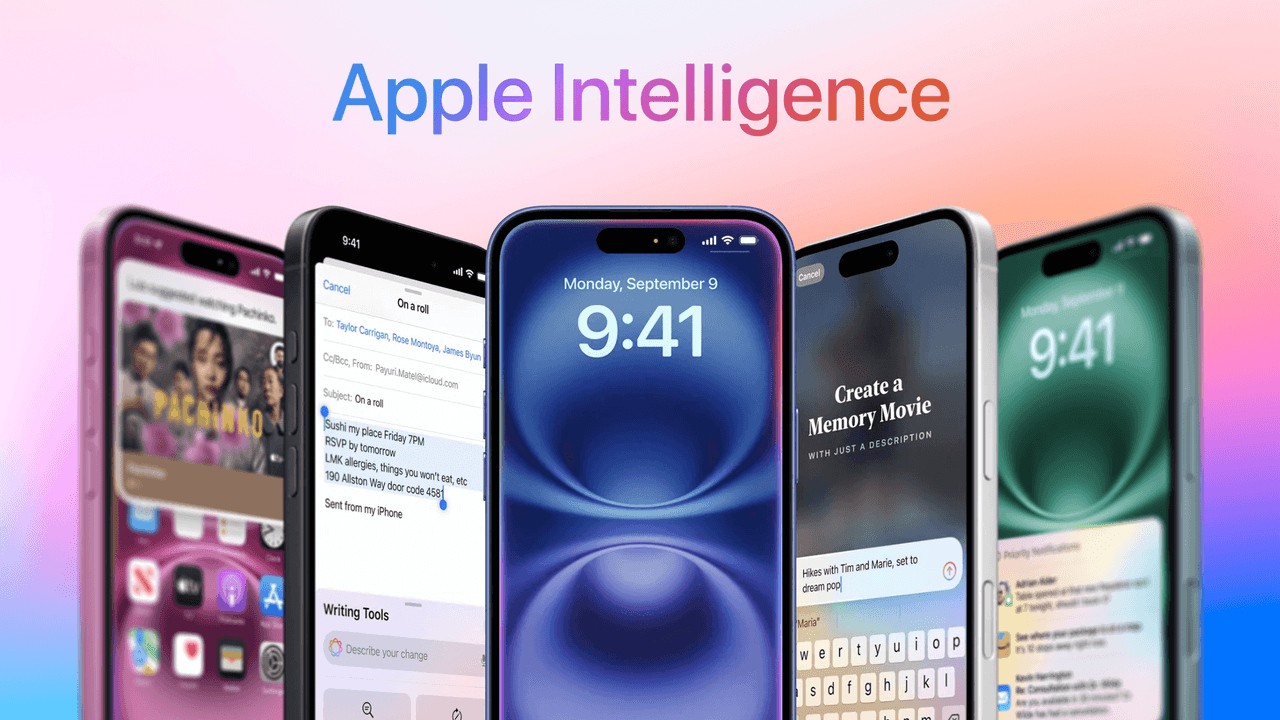
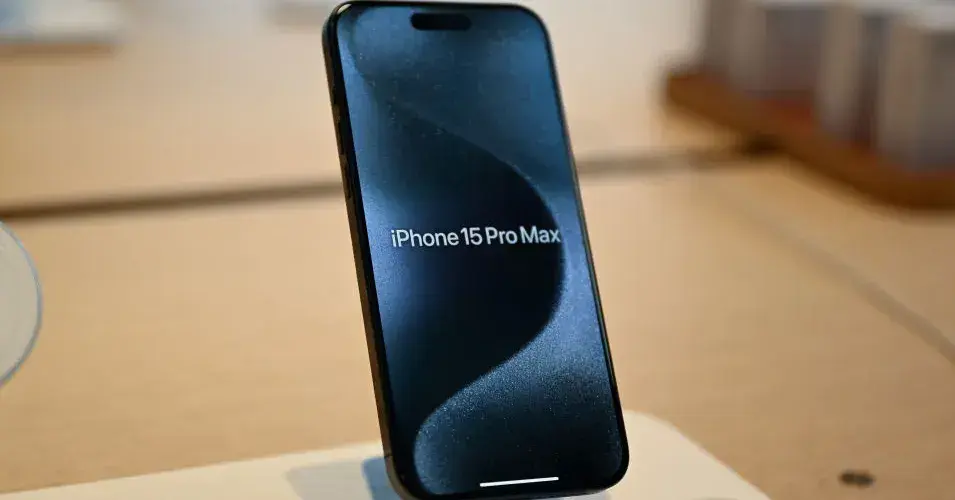
Jeff Carlson writes about mobile technology at CNET, from cellular phone plans to devices and emerging technology. The legal machinery for class action settlements grinds slowly, but a court order today in Apple's $250 million case over its iPhone AI features potentially speeds things up by seven months. Apple settled a false advertising lawsuit in May, agreeing to pay $250 million to customers who bought some iPhone models during a specified period. The lawsuit alleged that Apple misled customers by promising AI features that didn't ship when the new devices did. If you purchased an iPhone 16 or iPhone 15 at launch, you may be entitled to receive a portion of the quarter of a billion dollar lawsuit. Payouts between $25 and $95 per eligible device are expected. In an earlier statement to CNET Managing Editor David Lumb, an Apple spokesperson said, "Apple has reached a settlement to resolve claims related to the availability of two additional features. We resolved this matter to stay focused on doing what we do best, delivering the most innovative products and services to our users." On July 17, according to an email from Clarkson Law Firm, "The Court has granted preliminary approval of the settlement ... This means the Court has reviewed the proposed terms and found them sufficient to move forward to the next phase; it is not a final ruling on the settlement's fairness." The latest Aug. 13 order moves up the final approval date. Why is there a lawsuit over Apple Intelligence? When Apple advertised its new iPhone 16 lineup in 2024, it emphasized how the models were optimized for AI features such as an enhanced Siri that could act as an intelligent agent. When the phones did arrive, Apple Intelligence wasn't yet ready; its first features didn't arrive until iOS 18.1, five weeks later. According to the proposed settlement, "Apple allegedly saturated the market with deceptive ads, inducing consumers to purchase iPhones based on the promise of certain enhanced Siri features." Some features of Apple Intelligence did ship soon after the introduction of the iPhone 16 and iOS 18, including Visual Intelligence, Live Translation, Writing Tools, Genmoji and Clean Up. But those weren't the advanced features Apple highlighted. In fact, the type of intelligent interactions Apple advertised are only starting to show up in Siri AI, which is part of iOS 27 that's expected to be released later this year. The public beta of iOS 27 is available now. Who is eligible for the $250 million settlement? Customers who purchased one of the following devices between June 10, 2024, and March 29, 2025, are eligible to receive a settlement payment: * iPhone 16 * iPhone 16E * iPhone 16 Plus * iPhone 16 Pro * iPhone 16 Pro Max * iPhone 15 Pro * iPhone 15 Pro Max The iPhone 15 Pro and iPhone 15 Pro Max are included because they had the processor and memory to run Apple Intelligence features. It's estimated that approximately 36 million customers are eligible for this settlement. How to claim your portion of the settlement For now, you need to wait. As set forth in the settlement, Apple will provide a list of eligible customers and their contact information to a settlement administrator. After the data has been verified, the company Verita will send email and postal notices to those customers directing them to a settlement website. That site has not yet been created. The deadline for filing your claim will be 90 days after your notice arrives. When can you expect to receive a settlement payment? According to the settlement, Apple needed to provide the information about affected customers within five days of the settlement approval. As of late July, preliminary approval has been granted by the court. After the data is provided and verified, a 45-day notice period begins to inform potential consumers that they're eligible for a payment. On Aug. 13, United States District Court Judge Noël Wise granted approval to push forward the date from Sept. 29. 2027 to Feb. 24, 2027. Provided approval is granted, that puts the first checks or deposits arriving sometime within a 60-calendar-day window after February 2027, depending on court dates and possible extensions.
[2]
Apple Siri AI settlement: When eligible iPhone users can receive up to $95
The final hearing on the settlement for the Apple Siri AI class action lawsuit is scheduled for next year. Credit: Didem Mente/Anadolu via Getty Images If you're looking forward to your Siri AI settlement check of up to $95 from Apple, it looks like you'll be waiting a little while longer. Apple's settlement in the Siri AI-related class action lawsuit received preliminary approval last month. According to a new court document, the final approval hearing is now scheduled for February 24, 2027. That's actually seven months earlier than the previous date of September 29, 2027, but payments still won't arrive anytime soon. Once the court approves the settlement at that hearing, payments typically take a few months to reach consumers -- specifically, until any appeals are resolved and eligible claims are processed. In 2024, Apple heavily promoted its new Apple Intelligence features, including a more personalized, AI-powered version of Siri. However, those Siri features were apparently not ready for release and Apple delayed them. Multiple class action lawsuits were filed against Apple alleging that the company promoted these AI features as a major reason to buy the new iPhone. These lawsuits were eventually combined into a single class action lawsuit. In May 2026, Apple reached a $250 million settlement while admitting no wrongdoing. According to the agreement, qualified consumers will receive anywhere from approx. $25 to $95 dollars, although that amount could rise or fall depending on the number of claims and other factors. To qualify, a consumer must have purchased an iPhone 16, iPhone 16e, iPhone 16 Plus, iPhone 16 Pro, iPhone 16 Pro Max, iPhone 15 Pro, or iPhone 15 Pro Max between June 10, 2024 and March 29, 2025. As of now, the settlement's claims website has not gone live, so there is nothing eligible consumers need to do yet. Potential class members are expected to receive instructions by email or mail once claims open. Apple finally unveiled Siri AI at this year's WWDC, and the revamped assistant is currently being tested in iOS 27 betas. Apple says it will will finally become more broadly available as a beta later this year. However, those delays turned out to be costly for Apple.
[3]
iPhone users now won't have to wait as long for $250M settlement
The wait for Apple customers to see payments from a class-action lawsuit involving iPhones 15 and 16 just got a few months shorter. On Thursday, Aug. 13, the U.S. District Court for the Northern District of California granted permission to move a final approval hearing for the Apple settlement from September 2027 to February 2027, according to court documents obtained by USA TODAY. The settlement is part of a class-action lawsuit alleging that Apple deceived customers about artificial intelligence enhancements in new iPhones in 2024. In May, Apple agreed to pay $250 million to settle the case. The lawsuit accuses Apple of marketing new AI technology, including Siri enhancements, while advertising the iPhone 16 at the time. However, the device did not contain the features when it was released, according to court filings. Apple denied the allegations. Here's what to know about the ongoing lawsuit. What is the Apple class-action lawsuit about? Peter Landsheft of California brought the lawsuit against Apple in March 2025. Several other plaintiffs have since joined the case. The suit alleges that Apple falsely advertised AI enhancements for its iPhone 16, announced in September 2024. The allegations stem from a slew of AI features known as Apple Intelligence, which the company launched in 2024, according to the complaint obtained by USA TODAY. The plaintiffs accuse Apple of promoting a "dramatically enhanced Siri" as the focal point of the new Apple Intelligence technology. But Apple Intelligence and the so-called enhanced Siri did not exist when the iPhone 16 launched, according to the complaint. The lawsuit alleges that Apple "deceived millions of consumers into spending hundreds of dollars on a phone they did not need, based on features that do not exist." Apple denied the claims, according to filings. The company also said it has delivered more than 20 Apple Intelligence features and plans on rolling out additional Siri Apple Intelligence features in future software updates. How long will Apple customers have to wait for their money? There is not yet an exact date on which Apple customers may receive their portion of the settlement. The court granted preliminary approval of the class-action lawsuit during a July 8 hearing, according to court documents. The settlement must now receive the green light during a final approval hearing. Originally, this hearing was scheduled for Sept. 29, 2027, but on Aug. 13, the court approved a motion to move the hearing to Feb. 24, 2027. If the court approves the settlement next year, the group eligible for payment must be notified and given an opportunity to submit, opt out of or object to claims. Only then can payments be made. Who is eligible for payment in the Apple settlement? Apple agreed to settle the case for $250 million. The settlement received preliminary court approval and now awaits a final ruling by a judge. If approved in a final ruling, the group eligible for payment includes anyone in the United States who purchased an eligible device during a certain period: * Eligible devices: iPhone 16, iPhone 16e, iPhone 16 Plus, iPhone 16 Pro, iPhone 16 Pro Max, iPhone 15 Pro, or iPhone 15 Pro Max. * Time period of purchase: June 10, 2024, to March 29, 2025. How much money can you get from Apple settlement? Customers eligible for a payment from the Apple settlement are slated to receive $25 per eligible device if the settlement is approved, according to filings. That total could increase to $95 per device, depending on the number of approved claims. Greta Cross is a national trending reporter at USA TODAY. Story idea? Email her at [email protected]. Melina Khan is a national trending reporter for USA TODAY. Keep up with her on X @melinakh and Instagram @bymelinakhan.
Share
Copy Link
Apple's $250 million settlement over misleading AI feature advertisements just got fast-tracked. The U.S. District Court moved the final approval hearing from September 2027 to February 2027, potentially bringing payouts to 36 million eligible iPhone 15 and 16 users seven months sooner.
The U.S. District Court for the Northern District of California granted approval on August 13 to move the final approval hearing for Apple's $250 million class action lawsuit from September 29, 2027, to February 24, 2027
1
3
. This seven-month acceleration means eligible iPhone users won't have to wait as long for their payouts between $25 and $95 per device. The settlement, which received preliminary approval during a July 8 hearing, addresses allegations that Apple deceived customers through misleading advertisements about AI features that weren't available at launch3
.Peter Landsheft of California initiated the lawsuit in March 2025, with multiple plaintiffs joining subsequently
3
. The legal challenge centers on Apple's marketing of the iPhone 16 lineup in September 2024, where the company prominently featured Apple Intelligence capabilities, particularly an enhanced Siri functioning as an intelligent agent1
. According to the proposed settlement, "Apple allegedly saturated the market with deceptive ads, inducing consumers to purchase iPhones based on the promise of certain enhanced Siri features"1
. The lawsuit alleges Apple deceived customers into spending hundreds of dollars on devices based on features that didn't exist at purchase3
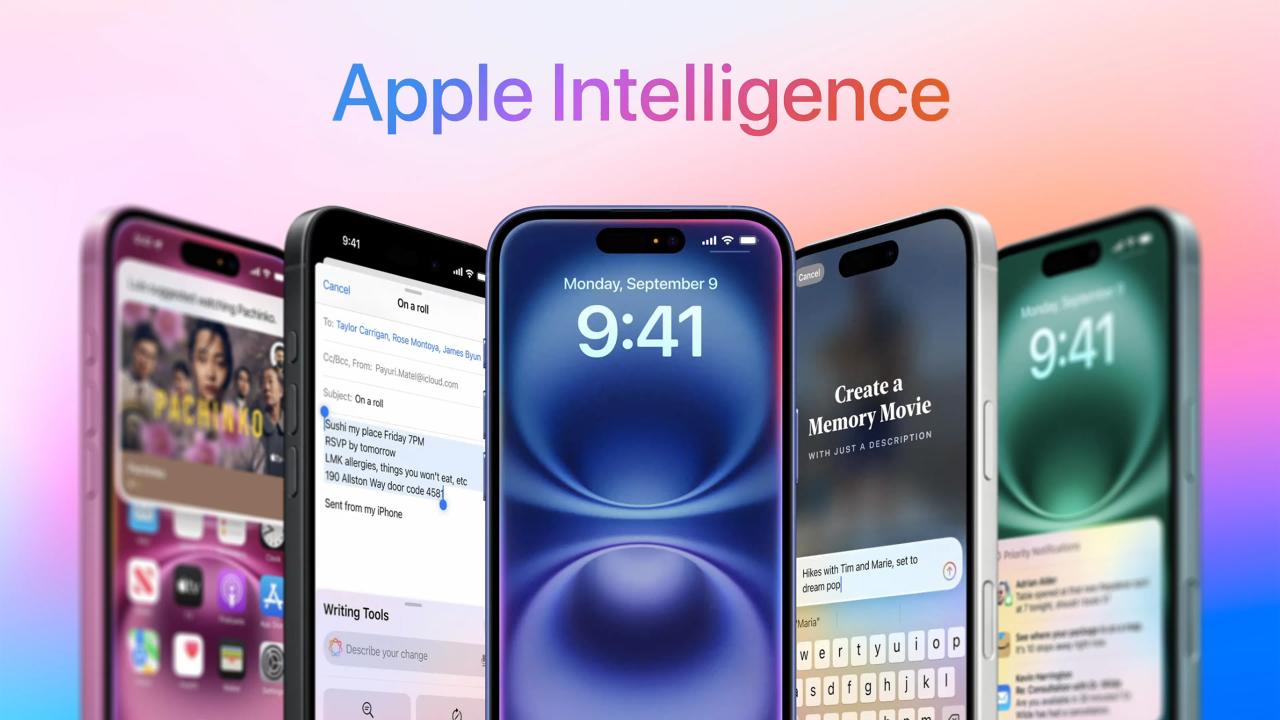
.When the iPhone 16 launched, Apple Intelligence wasn't ready for deployment. The first features didn't arrive until iOS 18.1, which shipped five weeks after the phone's release
1
. While some AI features like Visual Intelligence, Live Translation, Writing Tools, Genmoji, and Clean Up did ship soon after, these weren't the advanced capabilities Apple highlighted in its consumer tech marketing1
. The intelligent interactions Apple advertised are only beginning to appear in Siri AI through iOS 27, expected for release later this year1
. Apple unveiled Siri AI at this year's WWDC, with the revamped assistant currently being tested in iOS 27 betas2
.
Source: Mashable
Approximately 36 million customers qualify for this Apple settlement
1
. Eligibility extends to anyone in the United States who purchased an iPhone 16, iPhone 16E, iPhone 16 Plus, iPhone 16 Pro, iPhone 16 Pro Max, iPhone 15 Pro, or iPhone 15 Pro Max between June 10, 2024, and March 29, 20251
3
. The iPhone 15 Pro models are included because they possessed the processor and memory required to run Apple Intelligence features1
.
Source: CNET
Related Stories
Payouts between $25 and $95 per eligible device are anticipated, though the exact amount depends on the number of approved claims
1
3
. Apple must provide customer information to a settlement administrator within five days of settlement approval1
. Verita, the settlement administrator, will send email and postal notices directing customers to a settlement website once data verification is complete1
. A 45-day notice period follows to inform potential consumers of their eligibility, with a 90-day deadline for filing claims after receiving notice1
. Payments typically arrive within a 60-calendar-day window after the final approval hearing, pending appeals resolution and claim processing1
2
.Apple denied wrongdoing while settling, stating the company "resolved this matter to stay focused on doing what we do best, delivering the most innovative products and services to our users"
1
. The company maintains it has delivered more than 20 Apple Intelligence features and plans additional Siri capabilities in future software updates3
. This case raises questions about transparency in feature delivery timelines and how tech companies communicate product development roadmaps. The settlement's size and scope signal potential shifts in how manufacturers advertise upcoming AI features before they're production-ready. Watch for increased scrutiny of marketing claims around AI capabilities and clearer disclosure requirements about feature availability at launch versus post-purchase updates.Summarized by
Navi
24 Jul 2026•Policy and Regulation

05 May 2026•Policy and Regulation

26 Sept 2025•Technology