Apple's A18 and A18 Pro: Powering the Next Generation of iPhones


6 Sources
[1]
Compared: A18 vs A18 Pro -- breaking down what's powering iPhone 16
If you buy through our links, we may get a commission. Read our ethics policy. With the iPhone 16 range, Apple introduced two new chips -- the A18 and A18 Pro. Here's what's different between them, and how they compare to older hardware. On Monday, Apple announced the iPhone 16 and iPhone 16 Pro,
[2]
A18 vs A18 Pro: This is what Apple chips designed for AI look like - Softonic
Apple has released its new A18 and A18 Pro, two chips that, although they share many characteristics, are designed to offer different levels of performance to meet the needs of the new iPhone 16 and iPhone 16 Pro. Both are built with second-generation 3-nanometer technology, which allows them to
[3]
First iPhone 16 benchmark results are in -- here's how the A18 stacks up
The arrival of the iPhone 16 lineup means new Apple silicone -- A18 chipsets for the iPhone 16 and iPhone 16 Plus with the A18 Pro powering the iPhone 16 Pro models. And though the phones won't ship until next Friday (September 20), benchmarks for the new models have already started popping up
[4]
Apple A18 Pro vs Snapdragon 8 Gen 3: iPhone Takes the Lead Again
Apple A18 Pro's 16-core Neural Engine is almost the same, and its performance is on par with the Hexagon AI engine on Snapdragon 8 Gen 3. Apple has launched its flagship iPhone 16 Pro series with the new A18 Pro chipset. The Apple A18 Pro touts huge improvements in CPU performance and efficiency,
[5]
Apple A18 Pro vs Snapdragon 8 Gen 4: Can Qualcomm Beat Apple?
Apple's new A18 Pro chipset powers the latest iPhone 16 Pro and 16 Pro Max. It promises powerful CPU performance and brings moderate upgrades in the GPU and NPU departments. That said, how does the A18 Pro stack up against the upcoming Snapdragon 8 Gen 4 chipset? To find the difference in
[6]
A18 Pro Arrives on Geekbench, But Snapdragon 8 Gen 4 Takes the Crown
The Snapdragon 8 Gen 4 Geekbench test reveals 3,236 points in single-core and a massive 10,049 points in multi-core test, outperforming the A18 Pro. Apple launched the iPhone 16 Pro and 16 Pro Max with the new A18 Pro chipset, which promises powerful CPU performance. The new CPU is based on
Share
Copy Link
Apple's latest A18 and A18 Pro chips are set to revolutionize the iPhone 16 series. These AI-focused processors promise significant performance improvements and new capabilities for Apple's flagship devices.

A New Era of Apple Silicon
Apple's upcoming iPhone 16 series is poised to introduce the next generation of mobile processors: the A18 and A18 Pro chips. These new silicon powerhouses are designed with a strong focus on artificial intelligence (AI) capabilities, marking a significant leap forward in smartphone technology
1
.AI at the Core
The A18 and A18 Pro chips are built on TSMC's 3nm process, allowing for improved performance and energy efficiency. Both chips feature a dedicated Neural Engine, with the A18 Pro boasting an even more powerful version. This emphasis on AI processing is expected to enable advanced on-device machine learning tasks, enhancing features like computational photography, natural language processing, and augmented reality experiences
2
.Performance Benchmarks
Early benchmark results for the A18 chip have surfaced, showcasing impressive performance gains. The A18 scored 3,500 points in single-core and 8,200 points in multi-core tests on Geekbench 6. This represents a significant improvement over its predecessor, the A17 Pro, with an 18% increase in single-core and a 20% boost in multi-core performance
3
.A18 Pro vs. Snapdragon 8 Gen 3
The A18 Pro is expected to outperform its Android counterpart, the Snapdragon 8 Gen 3. While exact figures are not yet available, industry experts anticipate the A18 Pro to maintain Apple's lead in mobile chip performance. The A18 Pro is likely to offer superior AI capabilities, faster CPU performance, and more efficient power consumption compared to the Snapdragon 8 Gen 3
4
.Related Stories


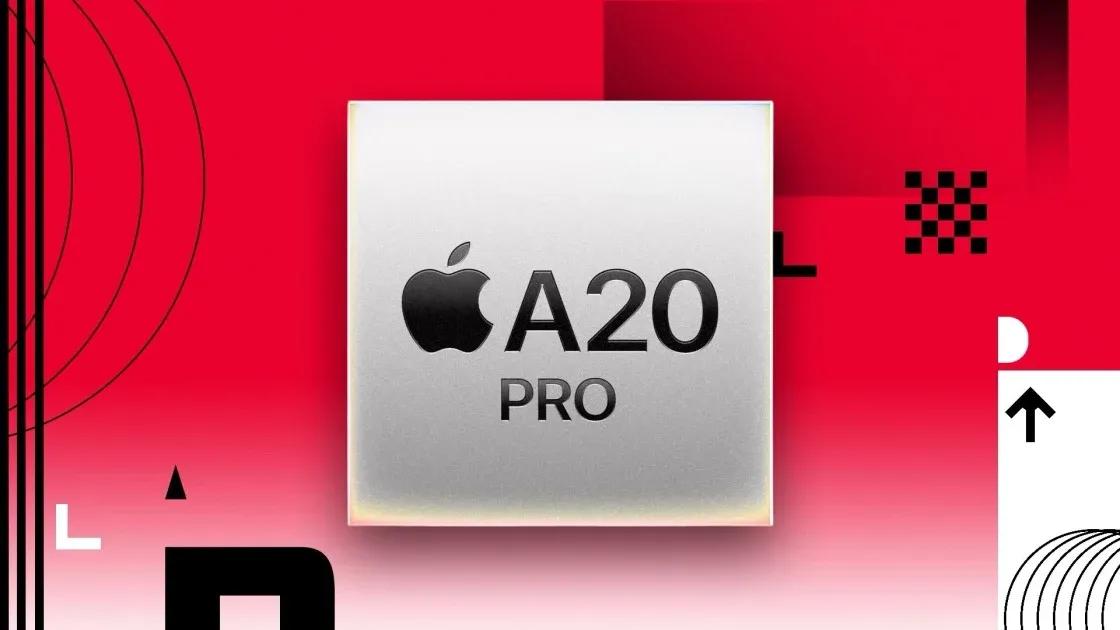
Looking Ahead: A18 Pro vs. Snapdragon 8 Gen 4
As the mobile chip race continues, speculation has already begun about how the A18 Pro might compare to Qualcomm's upcoming Snapdragon 8 Gen 4. While both chips are expected to push the boundaries of mobile computing, the A18 Pro's integration with Apple's ecosystem and focus on AI may give it an edge in real-world performance and user experience
5
.Implications for iPhone 16 Series
The introduction of the A18 and A18 Pro chips is expected to bring significant enhancements to the iPhone 16 lineup. Users can anticipate improved battery life, faster app loading times, and more sophisticated AI-driven features. The A18 Pro, in particular, is likely to be reserved for the higher-end iPhone 16 Pro models, offering even greater performance for power users and professionals.
References
Summarized by

Navi
Related Stories
Recent Highlights
1
Meta Unveils Muse Wonder Frontier AI Models, Claims Performance Matching OpenAI and Anthropic
Technology

2
IMF Report Warns AI Market Correction Could Spark Global Financial Crisis With $1.4T at Risk
Business and Economy

3
Eight States Sue OpenAI Over ChatGPT Safety Concerns and Unlawful Collection of Children's Data
Policy and Regulation

Recent Highlights
Today's Top Stories









Don’t drown in AI news. We cut through the noise - filtering, ranking and summarizing the most important AI news, breakthroughs and research daily. Follow topics that matter to you and stay ahead.


